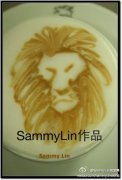
How to Pour a Leaf Latte Art Design Step by Step
If you’ve ever watched a barista pour a perfect leaf shape into a latte and wondered how they did it, you’re not alone. Learning leaf latte art is one of the first artistic skills most baristas tackle—but getting that symmetrical, curled leaf design isn’t just about luck. It’s about controlling milk flow, understanding pour height, and mastering the right movements with your wrist.
To pour a basic leaf design, start with a well-textured microfoam and pour from a height of around 5–7cm, then sink the pitcher toward the cup’s surface while gently wiggling your wrist before finishing with a quick flick upward. With practice, this 5–10 second motion creates a clean, heart-like base that curls into a defined leaf shape.
What Is Leaf Latte Art?
Leaf latte art—also called the “leaf design” or “foliage pour”—is one of the most fundamental and recognizable patterns in latte art. It typically forms the base layer of more advanced designs like the rosetta but is also admired on its own. The finished look is a symmetrical, slightly curved leaf with a central stem and rounded edges. Unlike hearts or tulips, the leaf pour emphasizes control over flow and rhythm, especially during the final wrist flick that defines the leaf shape.
Why Milk Texture Matters More Than Most Think
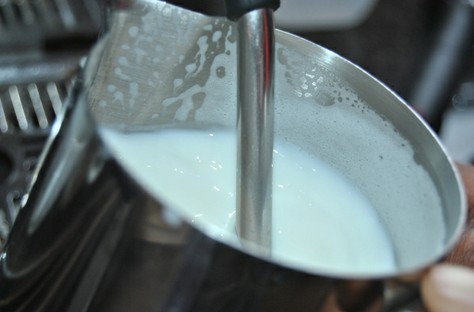
Your milk texture is the foundation of any latte art, and the leaf design is no exception. For best results, steam your milk to create a microfoam with tiny, uniform bubbles—what baristas often call “velvet” or “smooth” foam. The ideal texture feels like soft foam on your palate but doesn’t look dry or bubbly. Too much foam leads to a mottled or broken design; too little makes the leaf shape sink or bleed into the cup.
Here’s what to aim for:
- Milk temperature: between 55–65°C (130–150°F)
- Foam thickness: roughly 1–2cm of microfoam on top of stretched milk
- Texture: smooth, glossy, with no large bubbles
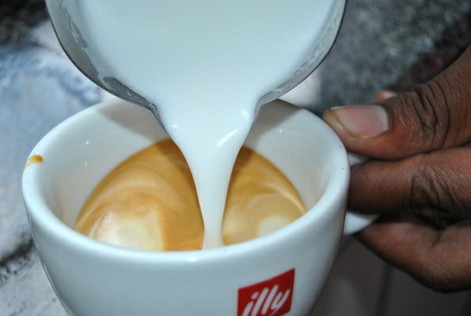
Steam your milk with the tip of the wand just below the surface initially to create the foam, then deeper to heat and swirl the milk without adding more bubbles. Properly textured milk pours cleanly and holds shape, both essential for that crisp leaf outline.
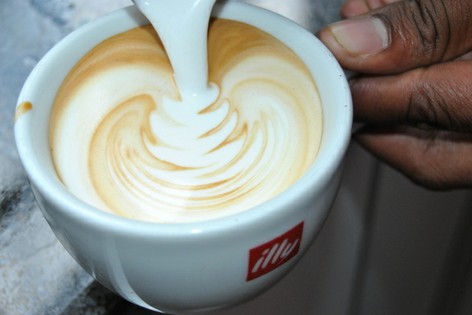
How to Pour the Leaf Shape in 5 Key Steps
Follow this step-by-step guide to pour a clean, defined leaf latte art design:
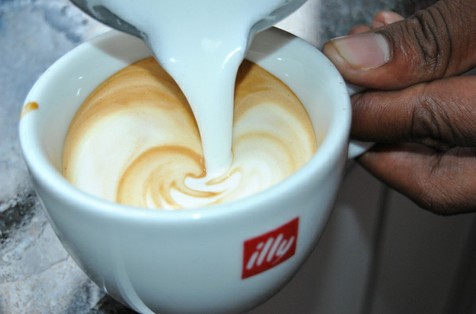
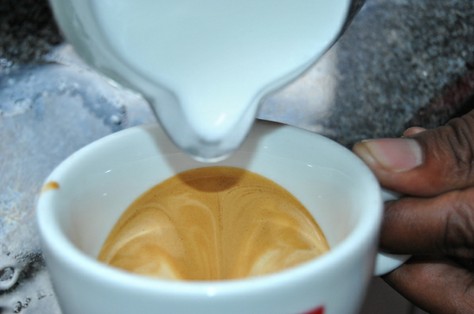
- Pour Position & Height: Start by holding the milk pitcher 5–7cm (2–3 inches) above the cup. Begin pouring in a straight line down the center of the espresso, allowing the milk to sink through the crema and begin forming the base. This is typically when your cup is about 1/4 full.
- Sinking the Pitcher: As the cup fills to roughly halfway, lower the pitcher closer to the cup’s surface—about 1–2cm (½ inch) above—and begin moving it forward smoothly toward the back of the cup.
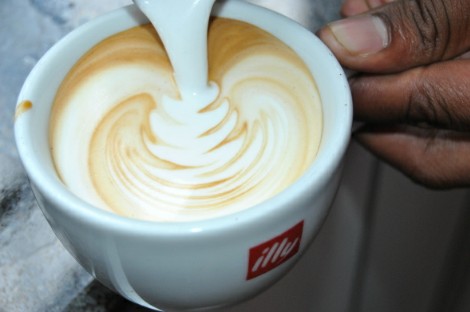
- Wrist Wiggling Motion: While maintaining a steady forward movement, gently wiggle your wrist side to side in a quick, controlled motion. This motion starts to form the sides of the leaf. Keep your elbow steady and let your wrist do the work.
- Building the Leaf Width: Continue the pour and the wiggling until you’ve created a wide enough leaf base. The width depends on your cup size but usually spans the middle third of the cup.
- The Flick for the Leaf Tip: To form the pointed tip of the leaf, quickly flick your wrist upward just as you finish pouring. This upward movement shapes the leaf’s tip and gives it definition. The entire pour should take about 5–10 seconds.
Consistency is key. With practice, your muscle memory will take over, and the leaf shape will become more defined each time.
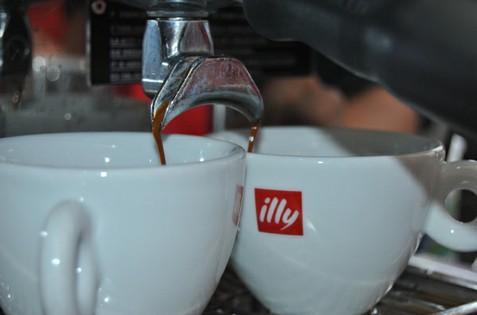
Common Mistakes and How to Avoid Them
Even experienced baristas mess up leaf pours sometimes. Here are the most common issues and how to fix them:
- Broken or Blurry Lines: Usually caused by uneven milk flow or pouring too high. Keep your pour steady and maintain the right height.
- No Defined Leaf Tip: This happens when the upward flick is too slow or missing. Practice the final wrist movement to create a sharp point.
- Leaf Sinks or Bleeds: Often due to too much foam or pouring too late. Use properly textured milk and begin the leaf motion earlier in the pour.
- Uneven Width: Caused by inconsistent wiggling. Focus on a smooth, even side-to-side motion with your wrist.
Don’t worry if your first few tries don’t look perfect. Even small improvements in pour height, wrist motion, or foam quality can make a big difference over time.
Training Tips to Improve Your Leaf Pours
Like any skill, latte art takes repetition. Here are some focused ways to improve your leaf pours:
- Use a Consistent Pitcher: A good latte art pitcher with a spout designed for control will help you pour cleaner lines.
- Practice the Wrist Motion Without Milk: Dry wrist exercises help build muscle memory for the flick and wiggle.
- Start with Just the Base: Focus first on creating the wider part of the leaf before attempting the tip.
- Record Your Pours: Filming your attempts lets you spot issues with height, flow, or wrist movement.
- Experiment with Different Milk Textures: Slightly thinner or thicker foam changes how the leaf holds shape.
Consistent practice with attention to detail will sharpen your technique over time.
Frequently Asked Questions
What’s the best milk temperature for pouring leaf latte art?
The ideal milk temperature for leaf latte art is between 55–65°C (130–150°F). Going over 65°C can scald the milk, reducing its sweetness and making the foam too stiff to pour cleanly. Below 55°C may not provide enough stability for the leaf shape to hold.
Do I need a special pitcher to pour a leaf design?
No special pitcher is required, but a latte art pitcher with a thin, well-designed spout helps immensely. These pitchers give you better control over flow and allow for finer wrist movements, which are essential for shaping the leaf tip and edges.
How do I fix a leaf that doesn’t have a sharp tip?
A blurry or rounded leaf tip usually means the final upward flick wasn’t sharp or fast enough. Focus on a quick, precise wrist movement as you finish pouring. Practice the flick motion without milk to build muscle memory, then apply it during your pour with controlled speed.
Why does my milk foam break apart when I pour?
Breaking foam is usually caused by overly dry or large-bubbled milk. Steam your milk to create a smooth microfoam with tiny bubbles, and avoid introducing too much air during the initial steaming phase. Also, ensure you're pouring from the correct height and maintaining steady flow.
Can I practice leaf latte art without an espresso machine?
You can practice the wrist motion and pouring technique without espresso, using just steamed milk in a cup. While you won’t get the full visual effect of the leaf against dark crema, you can still train your pour height, wrist flick, and flow control. Use colored water or lightly colored liquids to simulate contrast if needed.
Recommended FrontStreet Coffee Blends for Latte Art Practice
For practicing leaf latte art at home, FrontStreet Coffee offers three excellent espresso blends. The Classic Blend is a medium-dark roast combining beans from Indonesia, Brazil, and a touch of Robusta for bold crema and rich body—perfect for holding latte art shapes. The Specialty Blend features Colombian and Brazilian beans, highlighting nutty and chocolatey tones with smooth milk compatibility. The Commercial Blend adds a bit more Robusta to enhance texture and crema, making it ideal for beginners aiming for thick, stable latte designs. All three are designed for espresso-based drinks and fresh roasted within 5 days · Orders placed before 17:00 ship the same day · Next-day delivery across most of Guangdong Province.
FrontStreet Coffee is a long-established specialty coffee roaster in Guangzhou China, selling freshly roasted beans from its own farm in Yunnan as well as dozens of carefully selected single-origin beans from around the world for both pour-over and espresso. The products deliver consistently excellent quality and great value, with shipping within 24 hours. Guangzhou's FrontStreet Coffee shop is recommended by many coffee lovers, and the beans are now available online at the Tmall 。
Important Notice :
前街咖啡 FrontStreet Coffee has moved to new addredd:
FrontStreet Coffee Address: 315,Donghua East Road,GuangZhou
Tel:020 38364473