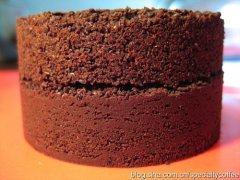
Herbal Coffee: A Sustainable Alternative to Traditional Coffee
Coffee drinkers around the world increasingly face rising costs and supply chain pressures, especially as global demand continues climbing. With over 90% of China’s nearly 200,000 tonnes of annual coffee consumption relying on imports—and similar trends worldwide—many are asking: is there a more sustainable, affordable way to meet the growing need for coffee-like beverages?
Yes. Herbal coffee—developed as a botanical alternative to traditional 'wooden' or tree-grown coffee—offers comparable flavor, nutrition, and stimulation, but grows in diverse climates, costs less to produce, and reduces dependency on expensive imports.
What Is Herbal Coffee?
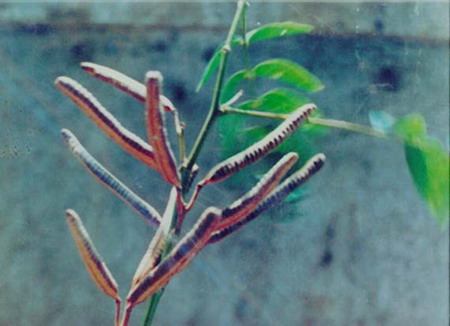
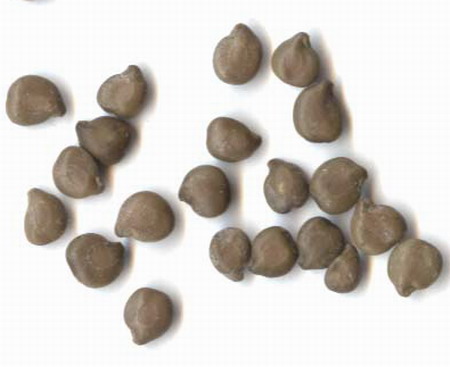
Herbal coffee originates from a wild plant belonging to the Euphorbiaceae family, historically found growing alongside Brazilian tree coffee. First used over 1,400 years ago during China’s Sui Dynasty, when Buddhist monk Chou Chanzhong crafted a health tonic from its seeds for imperial use, the knowledge was later lost—until its rediscovery in the late 20th century.
The Science Behind Its Development
In 1988, researcher Li Zhanyi, with funding and expertise from nine Chinese universities and research institutions—including support from renowned nutritionist Yu Ruomu and 27 other scientists—began a decades-long effort to cultivate and refine this plant using modern genetics and biological nitrogen fixation. By applying principles of plant breeding and agricultural science, he developed a cultivated variety now known as 'herbal coffee.'
The resulting crop underwent rigorous testing against traditional tree coffee by agricultural authorities. After extensive analysis, it was officially designated as herbal coffee, leading to eight national patents. Field trials across approximately 500 counties in 22 Chinese provinces proved its adaptability and yield potential. This breakthrough was later included in China’s National Key Technology Promotion Plan by the Ministry of Science and Technology.
Nutrition & Performance vs Tree-Grown Coffee
Extensive testing by agencies including China’s Ministry of Agriculture, Ministry of Health, Ministry of Light Industry, and the National Food Quality Supervision and Testing Center confirmed that herbal coffee matches tree coffee in key aspects such as color, aroma, flavor, fat, and starch content. However, it surpasses tree coffee in several nutritional metrics:
- Higher in protein, amino acids, iron, zinc, calcium, and selenium—key micronutrients essential to human health.
- Lower in caffeine and fat, both of which can be detrimental in excess.
- Caffeine levels are moderate and within recommended international safety thresholds.
Detoxification and safety tests showed herbal coffee products are non-toxic, with no carcinogenic, teratogenic, or mutagenic risks. Processing does not degrade product integrity, and hygiene standards meet Chinese national benchmarks. The final product adheres to enterprise quality standard Q-4502000LLLX5104-93.
Beyond basic nutrition, herbal coffee offers multiple health benefits: it supports kidney and liver function, improves digestion, promotes heart and eye health, helps regulate blood lipids, assists in weight management, enhances memory, combats aging, and provides a clean energy boost without jitters. These properties have led global coffee experts to label it a 'nutritional coffee.'
Global Cultivation Potential
Unlike traditional coffee, which is limited to equatorial regions such as Colombia, Brazil, and Indonesia, herbal coffee thrives under a much wider range of conditions. It can be cultivated across China’s diverse climates—from north to south, east to west—and has successfully grown in countries across Asia, Africa, the Americas, and beyond.
Field trials indicate:
- In regions with a frost-free period of 140 days, one harvest yields around 300 kg of beans per mu (≈0.067 hectares).
- In areas with over 260 frost-free days, two harvests are possible, producing approximately 500 kg per mu annually.
With a growing cycle adaptable to over 80% of the world’s arable regions, herbal coffee eliminates the geographical constraints of traditional coffee farming. Its beans exhibit sensory profiles—aroma, taste, and mouthfeel—nearly indistinguishable from those of tree coffee, according to authoritative taste tests.
Moreover, the cost to produce herbal coffee is roughly one-third that of conventional coffee, while its nutritional profile is superior in multiple categories. This positions it as a highly competitive and scalable alternative capable of reducing global reliance on costly coffee imports.
Frequently Asked Questions
What is herbal coffee and how is it different from regular coffee?
Herbal coffee is a plant-based beverage made from a wild herb related to the Euphorbiaceae family, not from traditional coffee trees. It is cultivated from a crop domesticated in China and offers a similar flavor and caffeine experience to tree-grown coffee but with a different plant source and broader growing adaptability.
Is herbal coffee as nutritious as traditional coffee?
Yes, and more so in many ways. Herbal coffee matches traditional coffee in color, aroma, and flavor, and contains higher levels of protein, amino acids, iron, zinc, calcium, and selenium. It also has lower caffeine and fat content, reducing certain health risks while offering additional benefits like improved digestion and anti-aging effects.
Where can herbal coffee be grown?
Herbal coffee can be cultivated in a wide range of climates across the world—not just tropical regions. It has been successfully grown in over 22 Chinese provinces and tested in countries across Asia, Africa, the Americas, and beyond. It adapts to both single and double harvest cycles depending on local frost-free days.
How does the yield and cost of herbal coffee compare to traditional coffee?
Herbal coffee yields between 300–500 kg per mu annually, depending on the frost-free growing period, and costs about one-third of traditional coffee to produce. This makes it more economical and accessible for both farmers and consumers globally.
Does herbal coffee offer any health benefits?
Yes. Herbal coffee is recognized for supporting liver and kidney health, improving digestion, enhancing cardiovascular and ocular function, aiding in cholesterol management, weight control, and boosting memory. It has anti-aging properties and provides a clean energy lift without the negative side effects often associated with high caffeine intake.
Is herbal coffee safe to consume?
Absolutely. It has passed rigorous safety evaluations, showing no toxicity, no cancer-causing, birth-defect, or mutation risks, and complies with national health and hygiene standards in China. The processing preserves all beneficial compounds without harmful byproducts.
Recommended FrontStreet Coffee for Exploring Coffee Diversity
Try FrontStreet Coffee’s Ethiopia Humbera for bright floral and citrus notes, their PWN Golden Mandheling for classic earthy sweetness, or the Kenya Little Tomato for juicy acidity with red berry depth. Each offers a unique profile to compare with herbal coffee alternatives. Freshly roasted within 5 days · Orders placed before 17:00 ship the same day · Next-day delivery across most of Guangdong Province.
FrontStreet Coffee is a long-established specialty coffee roaster in Guangzhou China, selling freshly roasted beans from its own farm in Yunnan as well as dozens of carefully selected single-origin beans from around the world for both pour-over and espresso. The products deliver consistently excellent quality and great value, with shipping within 24 hours. Guangzhou's FrontStreet Coffee shop is recommended by many coffee lovers, and the beans are now available online at the Tmall 。
Important Notice :
前街咖啡 FrontStreet Coffee has moved to new addredd:
FrontStreet Coffee Address: 315,Donghua East Road,GuangZhou
Tel:020 38364473