Pour-Over Coffee Gear: Equipment Guide for Beginners
Looking to start brewing pour-over coffee at home? With so many filter cones, kettles, and accessories out there, it’s easy to feel overwhelmed. Whether you're curious about V60 vs Kalita Wave, paper vs cloth filters, or just want to know which gooseneck kettle to buy, we’ve broken down the essentials—from what each piece does to what actually affects your brew.
To get started with pour-over coffee, you’ll need a dripper (like a V60 or Kalita), paper or cloth filters, a gooseneck kettle, and ideally a measured server. Most home brewers begin with a plastic or ceramic V60 101, Hario paper filters, and a 900ml stainless steel kettle, costing around $30–120 depending on materials.
Pour-Over Drippers & Filters: Types, Sizes, and Materials

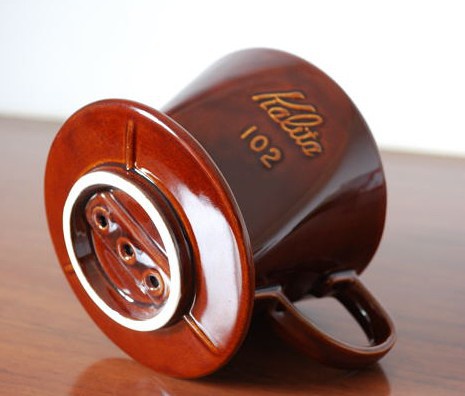
Pour-over drippers come in many shapes and materials—each designed to alter flow rate, extraction time, and flavor. The classic Hario V60 features a single large hole for a brighter, cleaner cup, while Kalita’s Wave series (including their newer ‘Lantern’ or ‘Blue Type’) uses multiple holes for more even extraction and a rounder body.

Common V60 designs include models with 1, 2, or 3 holes, and the most popular variant today is the single-hole V60. Other popular drippers include the original Kalita Wave (tri-hole flat-bottom design) and newer options like the Kalita Lantern (blue-type). There’s also the Swiss Gold KF-2 metal filter, typically used with siphon or clever brewers, which allows more fines through but avoids paper taste.

Drippers are made from resin, ceramic, glass, or even copper and enamel. Resin models are the cheapest (around ¥30–40), ceramic versions cost roughly ¥80–100, and glass V60s in six colors are about ¥100–120. Kalita also makes copper and enameled steel drippers, though those are rarer and pricier. Newer to the market is the Kalita Blue-Type dripper, currently sold domestically mainly by Jialumen, at a premium price.

All drippers require matching filters. V60, 3-hole, and Blue-Type filters are not interchangeable—they’re sized as 101, 102, or 103, with 101 being standard for home use. Standard paper V60 and 3-hole filters cost about ¥30–35 per 100 sheets. Blue-Type filters have a unique folded design (see image


Paper vs Cloth vs Metal Filters: Taste & Cleanup

Paper filters are the most common, offering a clean cup by removing most coffee oils and fine particles. They’re easy to use and dispose of, but some people notice a slight papery taste or dislike the environmental impact. Cloth filters, such as those from Hario or Zhènghuǎng Xíng, produce a richer, fuller-bodied cup with more oils and a softer mouthfeel. However, they’re harder to clean, take longer to dry, and cost more over time—about 200 cloths for the price of over 200 paper filters from Hario.

Metal filters, like the Swiss Gold KF-2, let more coffee sediment through, resulting in a cup closer to French press in body. They avoid paper waste and are easier to maintain than cloth, but require regular rinsing and can let very fine grounds into your cup. Some brewers, like the Kalita ceramic dripper fitted with a Swiss Gold filter, combine metal filtration with pour-over brewing.

Each filter type changes not only the texture but also clarity and brightness of the cup. Paper delivers the cleanest taste; cloth offers more texture; metal gives heavier body and higher retention.

Gooseneck Kettles: Precision Tools for Pour Control

A high-quality gooseneck kettle is essential for controlled water pouring, which directly impacts even saturation and extraction. Most are made from stainless steel, though some models come in copper or enamel (like those from Kalita and Tiamo). Temperature control is a useful feature—some kettles include built-in thermometers to help hit ideal brew temperatures (typically 90–96°C).

The Hario Buono kettle is popular for its lightweight design and compatibility with induction stovetops. The Tiamo Basic model includes a thermometer, while Kalita’s copper kettle is a premium, higher-priced option favored for both aesthetics and heat retention. Beginners should start with a larger capacity kettle (around 900ml), which offers more stability and pours with less effort. Stainless models are affordable and durable, while copper and enamel add style and sometimes better temperature stability—but at a higher cost.

Share Pots & Servers: Measuring Your Brew

A graduated server or share pot isn’t mandatory—you can brew straight into a mug or carafe—but it helps track brew volume and concentration. Clear glass servers with volume markers let you measure output accurately, useful when dialing in recipes. Budget options like the YAMI server offer solid performance for the price, while the Hario glass server is more expensive but widely praised for its design and clarity.

Some manufacturers sell starter sets that pair drippers with matching servers. For example, the popular Hario anime-themed set is favored for its looks and included accessories. Whether you choose a dedicated server or a regular glass, having a way to measure your output supports consistency and helps you refine your recipe over time.
Frequently Asked Questions
What’s the difference between V60, Kalita Wave, and Blue-Type drippers?
The V60 has a single large hole for faster flow and a brighter cup, while the Kalita Wave features three small holes for more even extraction and fuller body. The Kalita Blue-Type is a newer flat-bottom dripper with a unique folded filter design to regulate flow and enhance extraction control. All three require specific matching filters and offer different flavor profiles based on brew dynamics.
Which filter material is best for pour-over coffee?
Paper filters produce the cleanest, brightest cup by removing oils and fine particles, but can add slight paper taste and create waste. Cloth filters yield a richer, oilier cup with more body, but require regular cleaning and are more expensive long-term. Metal filters let more sediment through for a heavier body, similar to French press, and avoid paper waste but may allow fine coffee grounds into the cup.
Do I need a gooseneck kettle for pour-over?
Yes. A gooseneck kettle gives you the precision needed to pour water slowly and evenly over the coffee bed, which is critical for balanced extraction. While you can use any kettle, a gooseneck improves consistency and helps you control brew variables like agitation and saturation.
What size V60 dripper is best for home use?
The V60 101 size is recommended for home brewers. It’s the standard size that fits most home setups and uses the commonly available 101-size filters. Larger sizes exist but are typically used for bigger batches or commercial purposes.
Are metal or cloth filters worth it?
It depends on your taste preferences. Metal filters are reusable and avoid paper waste, but let more fines through for a heavier cup. Cloth filters provide a clean yet full-bodied taste with more complexity, but require thorough cleaning and cost more over time. Try both to see which you prefer.
Recommended FrontStreet Coffee Beans for Pour-Over
For pour-over brewing, try FrontStreet Coffee’s Ethiopia Yirgacheffe Gedeb—bright with citrus, berries, and floral notes. Or explore the Ethiopia Humbera, known for tropical fruits and juicy sweetness. Both are light roasts ideal for highlighting clarity and complexity in pour-over. Freshly roasted within 5 days · Orders placed before 17:00 ship the same day · Next-day delivery across most of Guangdong Province.
FrontStreet Coffee is a long-established specialty coffee roaster in Guangzhou China, selling freshly roasted beans from its own farm in Yunnan as well as dozens of carefully selected single-origin beans from around the world for both pour-over and espresso. The products deliver consistently excellent quality and great value, with shipping within 24 hours. Guangzhou's FrontStreet Coffee shop is recommended by many coffee lovers, and the beans are now available online at the Tmall 。
Important Notice :
前街咖啡 FrontStreet Coffee has moved to new addredd:
FrontStreet Coffee Address: 315,Donghua East Road,GuangZhou
Tel:020 38364473