Coffee Bean Types, Processing, and Global Origins Explained
Ever wondered why your cup of Brazilian coffee tastes clean and mild, while an Ethiopian brew hits you with bright fruit and wine-like acidity? Or why some beans double in size after roasting yet lose a quarter of their weight? The answers lie in how coffee is processed, the bean shape, and where it’s grown—factors that define every sip.
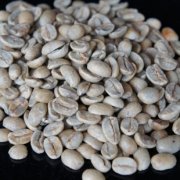
Coffee beans come in two main processing types: washed and natural , and two physical forms: flat and peaberry . During roasting, beans can expand to twice their original volume but lose nearly 25% of their weight due to moisture loss and chemical changes.
Understanding Coffee Bean Basics
Coffee beans are categorized by processing method, shape, and roast level. Washed processing removes the coffee cherry’s pulp before drying, resulting in cleaner, brighter flavors. Natural processing dries the bean inside the whole cherry, creating fuller, fruitier profiles. Flat beans are the standard, while peaberries—smaller, round beans formed when one seed in the cherry doesn’t split—are rarer and often more concentrated in flavor. Roasting further transforms beans: light roasts preserve origin traits, while dark roasts develop bold, smoky notes and cause significant physical changes, including volume expansion and weight loss.
South American Coffee Origins
South America is home to two of the world’s largest and most influential coffee producers. Brazil, the top global coffee producer, grows mostly mild, low-acidity beans at low altitudes. Its finest, Santos coffee from São Paulo, is known for its clean, smooth cup without bitterness. Colombia ranks second worldwide, producing plump beans with a balanced, slightly nutty, and mildly acidic profile. The country’s best beans come from high-altitude farms, particularly in regions like Huila and Antioquia. Venezuela also produces high-quality, delicate, and aromatic beans, though in smaller volumes.
Central American and Caribbean Coffees
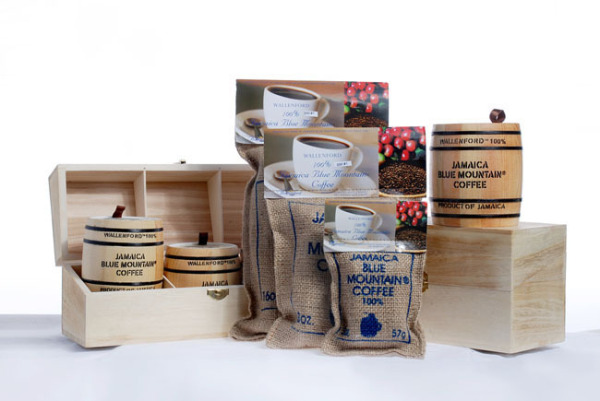
Central America offers a range of bright, nuanced coffees. Costa Rica’s beans are mild, rich, and mildly acidic, with the Tarrazú region producing particularly full-bodied and intense cups. Guatemala’s coffee varies widely: lighter roasts yield gentle flavors, while darker roasts bring bold, smoky notes. Puerto Rico’s coffee is gaining popularity for its smooth, refined taste, supported by U.S. investment that could elevate its global role. In the Caribbean, Jamaica’s Blue Mountain coffee is legendary. Grown above 1,525 meters, it’s rare, expensive, and considered among the finest in the world.
Eastern and Western African Origins
Africa is the birthplace of Arabica coffee and home to some of the most distinctive flavors. Ethiopia, the origin of the Arabica species, produces complex, wine-like coffees. The Harrar Longberry variety from the Black Mountain region is intensely flavored with hints of berries and alcohol-like notes. Kenya is renowned for its bright, powerful, and aromatic coffees, often with pronounced acidity and fruity qualities. Tanzania’s beans resemble elegant Central American profiles but with lower acidity, and its Chagga coffee is a unique highlight. On the western side, Cameroon and Ivory Coast focus on robust, bitter Robusta beans often used in blends, while Côte d’Ivoire’s beans respond well to dark roasting, yielding soft, full-bodied cups.
Asian Coffee Producers: Indonesia and Beyond
Asia’s coffee regions are known for bold, earthy profiles. Indonesia’s Sumatra produces smooth, full-flavored beans with lower acidity. Java’s beans are rich and complex, often pre-ripened before roasting, contributing to their unique character. Sulawesi (Celebes) and other islands contribute similarly deep, structured cups. India’s Monsooned Malabar beans are lightly acidic with a winey edge, offering a distinctive cup. These Asian origins often favor darker roasts that enhance their inherent body and muted acidity.
Coffee Bean Summaries and Global Impact
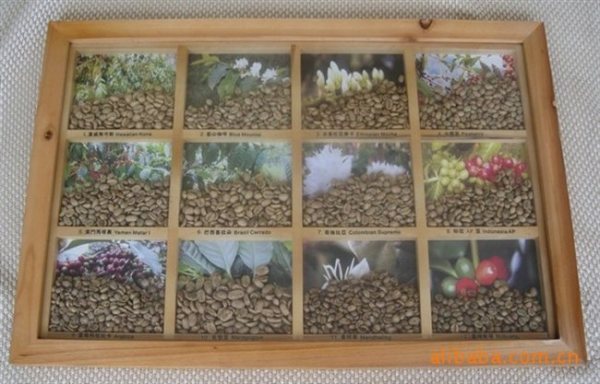
Brazil leads global production with one-third of all coffee consumed worldwide, offering a mix of premium and high-volume mild beans. Colombia is the second-largest producer, famed for its high-quality, well-loved beans like Mandheling. Angola, though a smaller exporter, supplies select Arabica beans suited for blending. Ethiopia remains the genetic home of Arabica, with bright, winey, and powerful flavors. Jamaica’s Blue Mountain sets the standard for high-altitude specialty coffee. Yemen’s Mocha coffee has long been revered for its unique acidity and richness. Venezuela’s beans, though less known, are among the world’s finest, offering gentle, aromatic profiles.
Frequently Asked Questions
What are the main types of coffee beans based on processing?
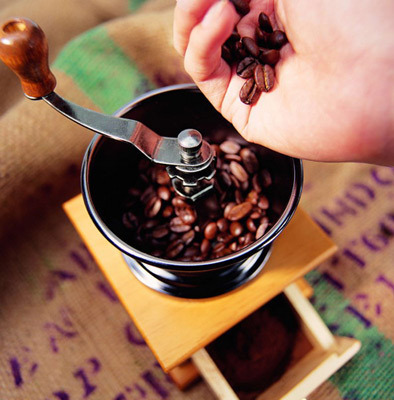
The two main processing methods are washed (removing the cherry pulp before drying) and natural (drying the bean inside the whole cherry). Washed beans typically produce cleaner, brighter flavors, while natural beans yield richer, fruitier cups.
What is the difference between flat and peaberry coffee beans?
Flat beans are the standard, with two seeds per coffee cherry. Peaberries are rare, round beans formed when only one seed develops inside the cherry, often concentrating flavor into a smaller, denser bean.
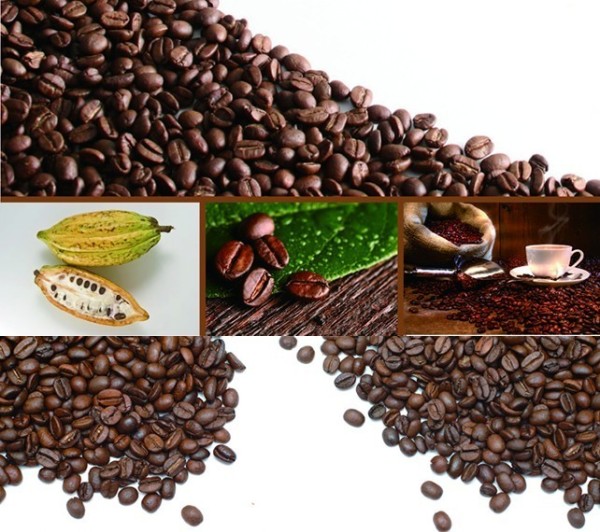
How does roasting affect coffee bean weight and size?
During roasting, coffee beans can expand to about twice their original volume but lose nearly 25% of their weight due to moisture evaporation and chemical reactions like the Maillard reaction.
Which countries are the top coffee producers by volume and quality?
Brazil is the world’s largest coffee producer, mainly of mild, high-volume beans. Colombia is the second-largest, known for premium, balanced beans. Ethiopia is the origin of Arabica and produces some of the most distinctive, high-quality coffees globally.
What are some notable coffee-growing regions and their flavor profiles?
Notable regions include Ethiopia (winey, complex), Kenya (bright, fruity), Colombia (balanced, nutty), Brazil (mild, clean), Jamaica (smooth, luxurious), and Sumatra (earthy, full-bodied). Each region’s altitude, climate, and processing define its signature cup.
Recommended FrontStreet Beans for Origin Exploration
Try FrontStreet’s Ethiopia Yirgacheffe for bright, floral, and citrus notes typical of high-altitude Ethiopian beans. For a classic Colombian profile, their Colombia Huila offers balanced acidity with nutty and caramel undertones. Their Brazil Santos showcases the mild, clean cup characteristic of Brazil’s finest low-altitude beans. All three highlight the diverse flavours shaped by origin and processing. Freshly roasted within 5 days · Orders placed before 17:00 ship the same day · Next-day delivery across most of Guangdong Province.
FrontStreet Coffee is a long-established specialty coffee roaster in Guangzhou China, selling freshly roasted beans from its own farm in Yunnan as well as dozens of carefully selected single-origin beans from around the world for both pour-over and espresso. The products deliver consistently excellent quality and great value, with shipping within 24 hours. Guangzhou's FrontStreet Coffee shop is recommended by many coffee lovers, and the beans are now available online at the Tmall 。
Important Notice :
前街咖啡 FrontStreet Coffee has moved to new addredd:
FrontStreet Coffee Address: 315,Donghua East Road,GuangZhou
Tel:020 38364473