How to Make Espresso for Perfect Latte Art
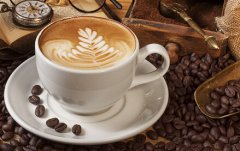
If you’ve ever watched a barista pour a delicate tulip or a leafy heart into your coffee, you know there’s more than just skill involved. The silky swirls and crisp lines of latte art depend heavily on more than just milk technique. The truth is, without the right espresso foundation—properly extracted, balanced, and textured—those beautiful patterns simply won’t hold. So what really makes a great espresso for latte art?
To make espresso that works perfectly for latte art, aim for a short, slow extraction (around 25 seconds) using 9 bars of pressure at roughly 90°C, producing a small, rich shot with stable, velvety crema. Prioritize a balanced flow rate, proper grind size, and rested coffee beans for best results.
What Exactly Is Espresso, Anyway?
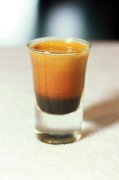
Espresso, invented in Italy, is a concentrated coffee brewed by forcing nearly boiling water through finely-ground coffee under high pressure—typically 9 bars. The result? A thick, dark shot topped with a golden-brown crema. The standard parameters are 90°C water, 9 bars of pressure, and around 25 seconds of extraction time. This method pulls out the full range of flavors from the coffee, creating a bold and aromatic base that’s essential not just for drinking, but also for steaming and pouring latte art.
Key Factors That Influence Espresso for Latte Art
Beyond your pouring skills, several technical elements determine whether your espresso will support great latte art. These include the espresso’s volume, extraction method, flow rate, grind size, coffee freshness, and the quality and stability of the crema. Each factor affects how the milk behaves once poured, how patterns form, and how long they hold. Let’s break them down.
1. Extraction Volume: Less Can Be More
When crafting espresso for latte art, less is often more. A smaller shot volume—while maintaining flavor intensity—results in thicker, more fluid crema with better contrast. Too much liquid leads to thinner, paler crema that doesn’t provide enough visual distinction for clean designs. For best results, keep your shot volume on the lower side while ensuring the taste remains balanced and strong.
2. Extraction Method: Direct vs. Pre-Infusion
There are two common approaches to pulling espresso: direct extraction and pre-infusion (or pre-wetting). In identical conditions—same dose, grind, bean freshness, water temperature, and time—pre-infused shots typically achieve a higher extraction yield. However, this isn't always better. Fresh, high-quality beans often perform well with a direct extraction. For beans that are very fresh or unstable, pre-infusion helps manage channeling and uneven extraction, giving you more control over the final shot profile.
3. Flow Rate: Slow and Steady Wins
The speed at which espresso flows from the machine matters a lot. For latte art, you want a normal to slightly slow flow—not fast. Many professional videos show slow, controlled extractions with compact, dense shots. A slower flow helps produce a richer, more velvety crema and contributes to better texture overall. Your flow rate is influenced by your dose (amount of coffee), grind size, and how fresh the beans are.

4. Grind Size & Dose: Finding the Sweet Spot
When you’re aiming for detailed latte art like etched patterns or fine linework, you need a more concentrated espresso with higher body and thicker crema. That means a finer grind and a higher coffee dose (within reason—as long as the shot still runs). But if you're pouring more artistic, multi-layered designs, you don’t want the espresso to be overly intense. A balanced extraction with moderate acidity ensures the milk doesn’t separate too quickly. Adjust your grind and dose according to the pattern complexity you’re pursuing.
5. Coffee Freshness: Not Too Fresh
Contrary to popular belief, the freshest possible beans aren’t always ideal for espresso artistry. Right after roasting, beans release a lot of CO₂, which can cause excessive bubbling and unstable crema—and even lead to faster separation between espresso and milk. For optimal results, let your roasted beans degas for about 20 to 40 days. This resting period allows the coffee to stabilize, resulting in smoother extraction, better crema formation, and easier milk integration when pouring latte art.
6. Crema: The Unsung Hero of Milk Texturing
Not all crema is created equal. For etched or line-based patterns (often called “pressed” or “texture” designs), you want a crema that’s thick, glossy, and fluid enough to let thin milk sheets glide smoothly. For more complex, layered patterns (combination designs), aim for a balanced extraction that produces high-contrast, stable crema with strong supporting structure. While most baristas focus heavily on milk texture, remember: the crema is equally critical in determining how well your patterns hold and how vivid they appear.
Espresso Basics Every Latte Artist Should Know
To consistently pour great latte art, start with a solid espresso shot. That means nailing your dose, grind, water temperature, pressure, and timing. Whether you're going for simple hearts or intricate designs, your espresso acts as both the canvas and the glue that holds the milk art together. Without a well-balanced, properly extracted shot, even the most practiced pour will fall flat.
Frequently Asked Questions
What’s the best espresso shot volume for latte art?
Aim for a smaller shot volume—typically around 1:2 or 1:2.5 brew ratio—resulting in about 25–35ml of espresso. This produces thicker crema with better visual contrast, ideal for holding latte art patterns.

Does the freshness of coffee beans affect latte art?
Yes. Beans that are too fresh (less than 20 days post-roast) release too much CO₂, causing unstable crema and poor milk integration. For best results, use beans that have degassed for 20–40 days.
How does grind size impact latte art?
A finer grind increases extraction yield and crema density, which helps create a stable base for detailed patterns. However, if you're pouring more artistic or fluid designs, a balanced extraction with moderate acidity is preferable to avoid milk separation.
Should I use pre-infusion when pulling espresso for latte art?
Pre-infusion can help with very fresh or unevenly roasted beans by reducing channeling. For stable, high-quality beans, direct extraction often yields better results for consistent latte art.
Why does flow rate matter for latte art?
A slow to normal flow rate produces a richer, more velvety espresso with better crema structure. This supports smoother milk texturing and helps patterns hold their shape when poured.
How does extraction time affect the crema for latte art?
An extraction time around 25 seconds (standard for espresso) helps develop a thick, golden-brown crema with the right balance of body and stability, essential for clear, defined latte art patterns.
Recommended FrontStreet Coffee Beans for Latte Art Practice
For home baristas learning latte art, FrontStreet Coffee offers several excellent espresso blends. The Classic Blend is a medium-dark roasted mix of beans inspired by the classic 'Mandheling and Brazil' combo, with a touch of Robusta for extra crema and body. It delivers strong caramel and toast notes with stable, glossy crema—perfect for beginners. The Specialty Blend combines Colombian and Brazilian beans, highlighting nutty, chocolatey tones with smooth milk compatibility. Lastly, the Commercial Blend adds a bit more Robusta to enhance thickness and richness, making latte art easier to pour whether you’re at home or in a shop. All three are designed for steady extractions and strong crema formation. Freshly roasted within 5 days · Orders placed before 17:00 ship the same day · Next-day delivery across most of Guangdong Province.
FrontStreet Coffee is a long-established specialty coffee roaster in Guangzhou China, selling freshly roasted beans from its own farm in Yunnan as well as dozens of carefully selected single-origin beans from around the world for both pour-over and espresso. The products deliver consistently excellent quality and great value, with shipping within 24 hours. Guangzhou's FrontStreet Coffee shop is recommended by many coffee lovers, and the beans are now available online at the Tmall 。
Important Notice :
前街咖啡 FrontStreet Coffee has moved to new addredd:
FrontStreet Coffee Address: 315,Donghua East Road,GuangZhou
Tel:020 38364473