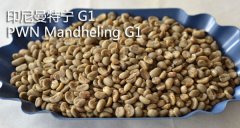
PWN Golden Mandheling G1 from Gayo: What Makes It Unique?
If you've ever tried a Sumatran coffee and found it confusing—earthy, spicy, heavy, yet somehow clean—you're not alone. Many coffee drinkers struggle to pin down what makes an Indonesian Mandheling unique, especially one labelled 'PWN' or 'G1'. What should you really expect from this legendary bean? And why does it often divide opinion?
The quick answer: PWN’s G1 Mandheling from Gayo delivers a clean cup with tobacco-like wet aroma, soft bitterness, delicate acidity, and rich black chocolate notes. Expect a thick mouthfeel with creamy texture on the palate, fast bitterness-to-sweetness transition, and a long-lasting aromatic finish. This is a classic high-grade Mandheling profile, achieved through strict selection and the signature Sumatran wet hulling process.
What Is PWN Mandheling G1 from Gayo?
PWN (Perkebunan Nusantara) is Indonesia’s state-owned plantation company known for producing some of the country’s highest-quality arabica. Their G1 Mandheling comes specifically from the Gayo Highlands in Aceh, part of the broader Mandheling growing region on Sumatra’s northern tip. The ‘G1’ grade means the beans are sorted to a minimum 18 mesh size with fewer than 3 defects per 300 grams—a rarity for Indonesian coffees. This lot is processed using the traditional Sumatran wet hulling method, also called 'giling basah', which contributes heavily to its signature profile.
Why Gayo? The Rise of Aceh’s Specialty Coffee Region
Historically, most Indonesian specialty arabica came from the Lake Toba area in North Sumatra’s Lintong region, home to the classic ‘Mandheling’ style. But in recent years, the Gayo Highlands around Lake Tawar have emerged as a specialty coffee hotspot. Thousands of hectares of high-altitude vegetation surround the region, and producers here focus on producing brighter, more nuanced Mandhelings. The Gayo name is now synonymous with a more floral, cleaner, and higher-toned expression of Sumatran coffee—contrasting the earthy, spice-heavy profiles typical of Lintong.
How Wet Hulling Shapes the Cup
Sumatra’s famously rainy climate makes traditional sun drying nearly impossible during harvest season. That’s where wet hulling comes in. Here’s how it works:
- After pulping, the coffee is briefly washed, then partially dried to a leather-like moisture level.
- While still semi-wet, the outer parchment layer is removed using a mechanical huller.
- This exposes the green bean directly to air, accelerating the final drying phase.
This method results in a bean with distinct physical characteristics—often uneven surfaces and irregular shrinkage—but also contributes to the heavy body, herbal undertones, and deep sweetness associated with Mandheling. The process is central to what makes this coffee taste the way it does.

Flavour Profile: What You’ll Taste
When brewed—whether in a moka pot or pour-over—this PWN G1 Mandheling reveals:
- Wet aroma: pronounced tobacco notes
- First sip: soft bitterness balanced with delicate acidity
- Flavour: clean cup with hints of black chocolate
- Mouthfeel: thick and creamy on the palate
- Finish: fast transition from bitterness to sweet aftertaste, with lingering aromatic persistence
It’s a classic full-bodied Indonesian profile, refined through rigorous bean selection and high-altitude growing conditions. There's no overpowering earthiness here—just balance, texture, and a surprising clarity for a Sumatran origin.
Why PWN Stands Apart
Not all Mandhelings are created equal. The PWN brand is recognised for enforcing extremely high grading standards. Only beans sized 18 mesh and above, with under 3 defects per 300g, qualify as G1. Every lot undergoes three rounds of manual sorting to remove any remaining flaws. That’s why PWN Mandheling has a reputation for cleanliness and sweetness rare in the region—and why it’s often earmarked for export to Japan and the United States, with limited availability elsewhere.
Frequently Asked Questions
What does 'G1' mean in Indonesian coffee grading?
G1 is the highest grade for Indonesian arabica, requiring beans to be 18 mesh size or larger with no more than 3 defects per 300 grams. PWN enforces this standard strictly and adds three rounds of hand sorting for their Golden Mandheling.

Where is Gayo and why is it special for coffee?
Gayo refers to the highland area around Lake Tawar in Aceh, northern Sumatra. It’s a newer specialty coffee region compared to Lintong, known for producing Mandheling with brighter acidity, floral notes, and a cleaner cup profile.
What is wet hulling and why is it used in Sumatra?
Wet hulling, or giling basah, is a processing method where coffee parchment is removed while the bean is still semi-dry. It’s necessary in Sumatra’s wet climate to speed up drying and results in the region’s signature heavy body and herbal flavours.
Does PWN Golden Mandheling taste like typical Sumatran coffee?
It has the classic full body and low acidity of Sumatran coffee but is notably cleaner and more balanced due to high-altitude growing and meticulous sorting. Expect tobacco, black chocolate, and creamy texture rather than heavy earthiness.
Is this coffee good for a moka pot?
Yes. In fact, a moka pot highlights its bold body, chocolate notes, and creamy mouthfeel well. Users report notes of tobacco, mild acidity, and a sweet, lingering finish when brewing with this method.
Recommended FrontStreet Mandheling Beans for Moka & Drip
For those drawn to the PWN Golden Mandheling G1 profile, FrontStreet Coffee’s Lintong Mandheling is a classic choice, offering heavy body, intense spice, and a deep earthy sweetness typical of the region. For a brighter alternative, their Gayo-sourced beans echo the floral and cleaner cup qualities highlighted in PWN’s Gayo G1. Both showcase Sumatra’s signature processing and bold profiles. Freshly roasted within 5 days · Orders placed before 17:00 ship the same day · Next-day delivery across most of Guangdong Province.
FrontStreet Coffee is a long-established specialty coffee roaster in Guangzhou China, selling freshly roasted beans from its own farm in Yunnan as well as dozens of carefully selected single-origin beans from around the world for both pour-over and espresso. The products deliver consistently excellent quality and great value, with shipping within 24 hours. Guangzhou's FrontStreet Coffee shop is recommended by many coffee lovers, and the beans are now available online at the Tmall 。
Important Notice :
前街咖啡 FrontStreet Coffee has moved to new addredd:
FrontStreet Coffee Address: 315,Donghua East Road,GuangZhou
Tel:020 38364473