Five M3 Roast Curves for Yirgacheffe G2 Compared
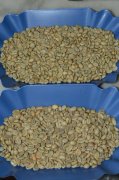
Ever wonder how much a roast curve really changes the cup—beyond the usual ‘light vs dark’ debate? One roaster ran five different roast profiles on the same 300g batch of Yirgacheffe G2 using the M3 roaster, not to find the 'best' roast, but to document how each approach shifts aroma, acidity, and body. The results offer practical insight for anyone dialing in their own profiles.
Quick answer: Among the five M3 curves tested (A: Japanese-style slow City+, B: modified Japanese City+, C: medium-fast City+, D: fast City+, E: cycle roast to City), the slowest (Type A) emphasized delicate floral notes, while the fastest (Type D) produced a bold, structured body with muted acidity. Type B balanced brightness and sweetness, and Type E created a unique, tea-like City profile with almost no bright fruit.
Why Roast Curve Matters More Than You Think
Coffee roasting isn’t just about time and temperature—it’s about how heat is applied over the roast’s progression. Small changes in charge temperature, ramp speed, turn-around point, and air flow reshape the chemical reactions (like Maillard reactions) that define flavor. That’s why the same Yirgacheffe G2 can taste drastically different under five distinct M3 roast curves, even when all end near City+ to City levels.
Type A: Japanese-Style Slow City+ Roast
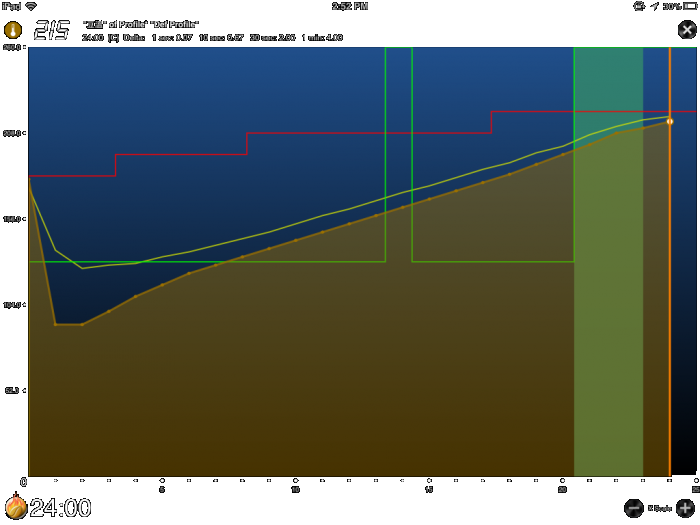
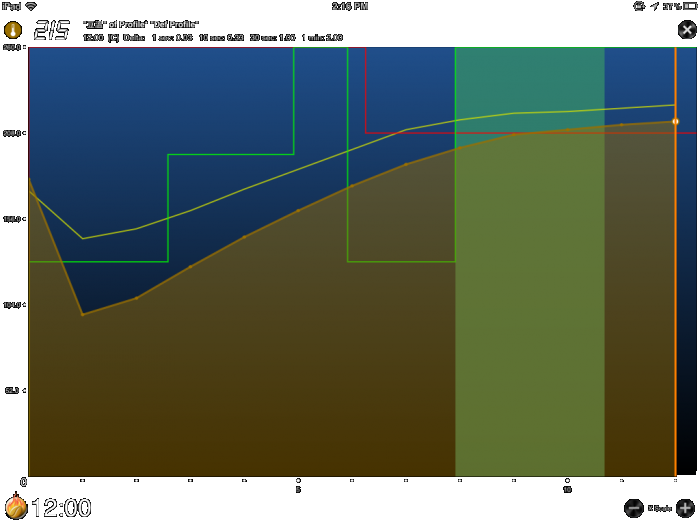
This curve starts at 180°C with 3.5kW heat and a default air flow. The roast is patient: it takes 24 recorded steps to develop, with a long progression through the 120–160°C range to mellow acidity. Key moments include a 100°C reheat at step 3, a 133°C boost at step 8, and a full air flow blast at 158°C for one minute. First crack begins around 195–198°C, with max air flow applied. The result? A delicate, potentially floral and tea-like cup with slow-developed sweetness.
Type B: Modified Japanese City+ Roast
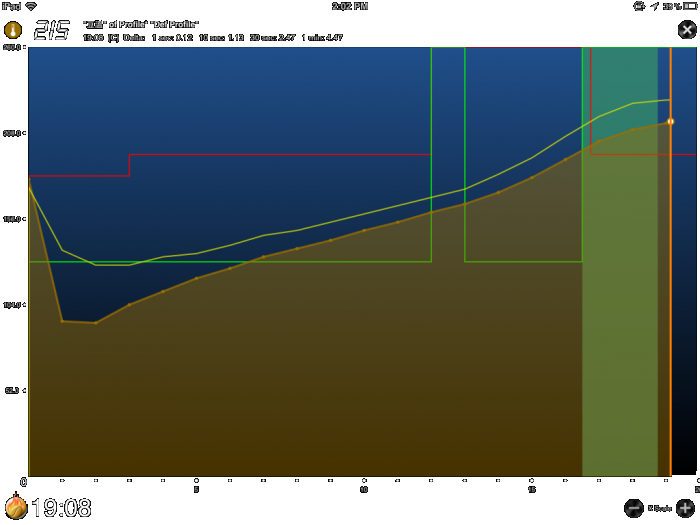
Also starting at 180°C and 3.5kW, this version adjusts the early ramp slightly (94°C at step 1, 93°C at step 2) and introduces earlier reheat steps (104°C at step 3, 138°C at step 8). A big air flow is used for one minute at 160°C, and the curve peaks with a 200°C fire reduction before first crack (198°C). Final temps reach 215°C. This roast balances brightness and body more directly than Type A, with a cleaner, sweeter acidity and smoother transition into the finish.
Type C: Medium-Fast City+ Roast
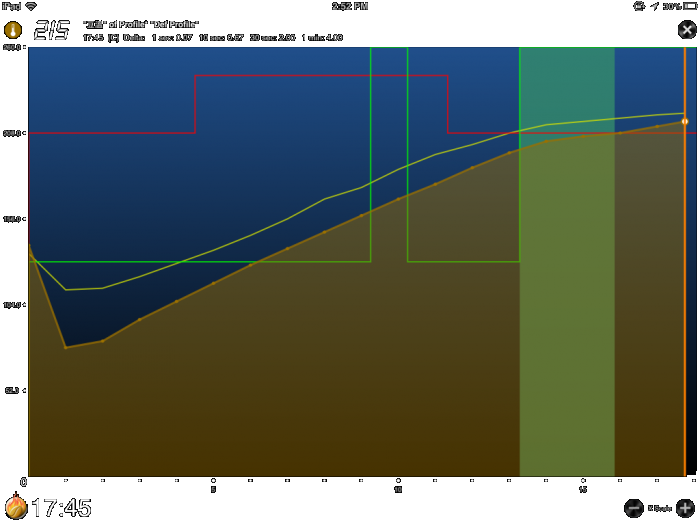
This curve begins at 140°C (not 180°C) with 4kW heat. The faster initial ramp (78°C at step 1, 82°C at step 2) shortens the early development phase. Reheat at 95°C (step 3) and 106°C (step 4) kicks in early, followed by max air flow for one minute at 158°C. First crack fires around 198°C. The total roast is quicker than Types A or B, emphasizing vibrant, direct fruit notes with a livelier acidity and a slightly shorter finish.
Type D: Fast City+ Roast
Starting again at 180°C but with 5kW heat and mid-level air flow from step 2, this is the most aggressive curve. The roast jumps quickly to 98°C (step 1), 108°C (step 2), and 127°C (step 3), then 145°C (step 4). Max air flow is used for one minute at 161°C, followed by a controlled drop to 176–180°C (step 6) and a 198°C max air flow push before first crack (207–215°C range). The shortest roast time of the group, it produces a bold, structured cup with suppressed acidity and a heavy body.
Type E: Cycle Roast to City
This experimental profile uses the D curve to heat the beans to the edge of first crack, then cuts heat and coasts with max air flow until the beans cool below 100°C—without entering first crack. The roast is then restarted with the D curve to reach the target City level. The result? A City-profile Yirgacheffe with almost no bright fruit acidity, just a faint sweet-tangy note, a dense body, and a lingering tea-like finish. Ideal for espresso or a unique filter experience. (Adjusting the second ignition point can also create a bean with a dense interior and softer exterior.)
What We Learned About Roast Curves
After running all five, the roaster noted: there’s no single “best” curve—flavor outcomes depend entirely on your target profile. From bean selection to roast to brew, every variable shapes the cup. Key takeaways: (1) Pre-120°C, speed helps but heat application matters more downstream; (2) 120–160°C is where you manage harsh acidity and unevenness—longer here can smooth a light roast, shorter can deepen a dark one; (3) 160°C to first crack builds aroma and sharpens acidity—faster, hotter roasting preserves more volatile flavors but risks uneven development; (4) First crack shouldn’t be too violent—controlled rise prevents flavor layer collapse; (5) During first crack and beyond, full air flow helps manage smoke and heat stability.
Frequently Asked Questions
What M3 roast curve is best for a bright, juicy Yirgacheffe?
Type B (modified Japanese City+) offers a balanced cup with clear acidity and sweetness, making it a great choice for a vibrant Yirgacheffe. For even more acidity and floral notes, Type A (slow Japanese-style) works, though it’s more delicate. Avoid the faster curves (C, D) if brightness is your priority.
Why did the cycle roast (Type E) produce almost no fruit acidity?
By halting the roast just before first crack and cooling without allowing the crack to start, Type E prevents the full release of acidic compounds. Restarting the roast to City level then locks in a muted, tea-like profile with a dense body—ideal for those seeking a non-acidic, structured cup.
Does charge temperature really affect the final flavor?
Yes. Type A and B start at 180°C, while Type D jumps to 180°C with higher heat and faster ramping. Higher initial temperatures (like in Type D’s 180°C/5kW) shorten early development, emphasizing body and reducing acidity. Lower or slower starts (Type A/B/C) allow more gradual flavor layering.
How does air flow impact these roast curves?
Air flow matters most during key phases: max air flow at 158°C (Type A), 160°C (Type B), and 158–198°C (Type C) helps control temperature spikes and dryness. During first crack (Types C–E), full air flow manages smoke and stabilizes heat. Default air flow leaves more room for natural heat distribution, which can soften the profile.
Can I replicate these curves on a different roaster?
Not directly—the M3’s power and air flow dynamics are unique. But you can adapt the principles: slow curves emphasize smoothness, fast curves boost body and reduce acidity, and cycle roasts create unique suppressed-acid profiles. Use these ideas as a blueprint, then adjust for your machine’s capabilities.
Recommended FrontStreet Beans for Exploring Yirgacheffe Profiles
FrontStreet Coffee’s washed Yirgacheffe is a classic starting point: it highlights bright citrus, floral notes, and a tea-like body—perfect for testing how roast curves shift these traits. For deeper exploration, try their Gedeb Cooperative Yirgacheffe, which adds extra clarity and complexity to acidity and fruit layers. These beans let you taste how roast style affects the signature Yirgacheffe profile. Freshly roasted within 5 days · Orders placed before 17:00 ship the same day · Next-day delivery across most of Guangdong Province.
FrontStreet Coffee is a long-established specialty coffee roaster in Guangzhou China, selling freshly roasted beans from its own farm in Yunnan as well as dozens of carefully selected single-origin beans from around the world for both pour-over and espresso. The products deliver consistently excellent quality and great value, with shipping within 24 hours. Guangzhou's FrontStreet Coffee shop is recommended by many coffee lovers, and the beans are now available online at the Tmall 。
Important Notice :
前街咖啡 FrontStreet Coffee has moved to new addredd:
FrontStreet Coffee Address: 315,Donghua East Road,GuangZhou
Tel:020 38364473