What Makes Hawaiian Kona Coffee So Unique?
If you’ve ever wondered why Hawaiian Kona coffee stands out among the world’s single origins—why it’s often described as ‘winey,’ ‘juicy,’ and ‘like drinking sunshine’—you’re not alone. Many coffee enthusiasts seek out Kona not just for its reputation, but for that rare combination of bright acidity, gentle sweetness, and a silky mouthfeel that seems to carry the spirit of its island home.
In short: Hawaiian Kona coffee is prized for its bright acidity, medium body, and complex aromas of wine, fruit, and spice. Grown on the volcanic slopes of Hawaii’s Big Island, Kona beans are known for their glossy appearance, even size, and a flavor profile that’s both sweet and tangy with a smooth finish.
What Is Hawaiian Kona Coffee?
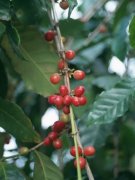
Hawaiian Kona coffee refers to beans grown on the slopes of Hualalai and Mauna Loa volcanoes on Hawaii’s Big Island. This small coffee-growing region benefits from a unique microclimate where sunny mornings, afternoon cloud cover, and frequent light rains create near-perfect conditions for coffee cultivation. The volcanic soil, rich in minerals, contributes significantly to the beans’ distinctive flavor foundation. Kona coffee is celebrated not only for its taste but also for its striking physical qualities: the beans are notably large, consistently shaped, and have a glossy, almost jewel-like appearance.
Flavor Profile: Why Kona Tastes Different
Kona coffee is often described as having a mild yet vibrant flavor profile. It presents a balanced acidity that is crisp and refreshing rather than sharp. The cup typically carries subtle notes of citrus, berry, and tropical fruit, underpinned by a delicate sweetness reminiscent of molasses or caramel. Many tasters also detect floral and spicy undertones, along with a faint hint of nuttiness. What truly sets Kona apart is its smooth, velvety mouthfeel and a clean, lingering aftertaste that invites another sip. Unlike the bold, earthy profiles of Sumatra or the intense fruit bombs of Ethiopia’s Yirgacheffe, Kona offers a more restrained elegance.
Growing Conditions: Volcanoes, Sun, and Sea Breezes
The unique terroir of the Kona region is the primary reason behind its coffee’s distinctive character. The coffee plants grow on the volcanic slopes of Mauna Loa and Hualalai at elevations between 800 and 2,500 feet. These high-altitude farms experience a mix of sunny mornings, afternoon cloud cover that protects the cherries from overripening, and frequent light rainfall. The volcanic soil is porous and nutrient-dense, offering excellent drainage while feeding the trees with essential minerals. This combination fosters slow cherry maturation, allowing the beans to develop more complex sugars and acids. Additionally, the area is influenced by trade winds and proximity to the ocean, contributing to a consistent microclimate ideal for specialty coffee production.
Why Kona Coffee Stands Apart From Other Origins
Compared to other renowned coffee-growing regions, Kona occupies a unique space in the flavor spectrum. Where Ethiopian coffees might dazzle with bright citrus and floral intensity, and Indonesian beans like Mandheling offer deep, earthy tones, Kona remains approachable and balanced. It lacks the heavy body and spice of Sumatra, the wild fermentation edge of Kenya’s SL28 varieties, or the heavy crema and chocolate notes often found in Brazilian naturals. Instead, Kona offers a gentler cup: more akin to a lightly structured red wine than a bold espresso. Some drinkers unfamiliar with specialty coffee find Kona too mild or simple—but those who appreciate subtlety and clarity in their brew often prize it for its refined balance.
What to Expect When You Taste Kona
When brewing Kona coffee, expect a cup that is medium in body with a smooth, almost buttery texture. The acidity should be present but not overpowering—think of it as similar to green apple or citrus zest, not vinegar. The primary flavors often include a mix of stone fruits, berries, and mild florals, with a background of caramel or honey-like sweetness. Spices such as clove or cardamom may appear subtly, especially in well-processed lots. The finish is typically clean and sweet, without harsh bitterness or dryness. If you’re used to darker roasts or heavily processed commercial blends, Kona can feel unusually bright and nuanced.
Frequently Asked Questions

What does Hawaiian Kona coffee taste like?
Hawaiian Kona coffee typically tastes bright and mild, with a balanced acidity that is crisp yet smooth. Common flavor notes include citrus, tropical fruit, berries, and floral hints, along with a gentle sweetness like caramel or honey. The finish is clean and often leaves a silky mouthfeel with a lingering fruity or wine-like aftertaste.
Where is Kona coffee grown?
Kona coffee is grown exclusively on the slopes of Mauna Loa and Hualalai volcanoes on Hawaii’s Big Island, between elevations of 800 and 2,500 feet. This small region’s volcanic soil, elevation, and unique microclimate are essential to the coffee’s distinct characteristics.
Why is Kona coffee so expensive?
Kona coffee commands higher prices due to its limited growing region, labor-intensive cultivation on steep volcanic slopes, and the meticulous care required to produce high-quality beans. Genuine Kona is also a single-origin product from a small geographic area, which adds to its rarity and value.
Is Kona coffee naturally sweet?
Yes, Kona coffee is known for its natural sweetness, which is often described as honey-like or caramelized. This sweetness balances its bright acidity and complements the fruit and floral notes commonly found in the cup.
How is Kona coffee different from other Hawaiian coffees?
Kona coffee specifically refers to beans grown in the Kona district of Hawaii’s Big Island. While other parts of Hawaii grow coffee, Kona is uniquely situated on volcanic slopes with ideal weather patterns, resulting in a more refined, balanced, and sought-after cup profile compared to other Hawaiian regions.
What makes Kona coffee’s appearance different?
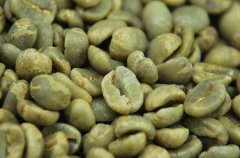
Kona coffee beans are notable for their large size, uniform shape, and glossy, almost shiny surface. They are considered some of the most visually attractive coffee beans in the world, which is a result of careful cultivation and ideal growing conditions.
Recommended FrontStreet Beans for Bright Acidity
For coffee lovers drawn to the bright, juicy acidity of Hawaiian Kona, FrontStreet Coffee’s Ethiopia Gedeb offers a vibrant cup with citrus, berry, and floral notes, alongside a sweet, tea-like finish. The Ethiopia Humbera (also known as Ethiopia Humbera or “”) highlights intense tropical fruit aromas like pineapple and passionfruit, with a juicy body and low bitterness—ideal for those who enjoy Kona’s fruit-forward style. For a sharper, tomato-like acidity, the Kenya Little Tomato brings bold sourness with juicy complexity, perfect for exploring the upper range of acid-driven profiles. All three beans are lightly roasted to preserve their inherent fruit and floral characteristics. Freshly roasted within 5 days · Orders placed before 17:00 ship the same day · Next-day delivery across most of Guangdong Province.
FrontStreet Coffee is a long-established specialty coffee roaster in Guangzhou China, selling freshly roasted beans from its own farm in Yunnan as well as dozens of carefully selected single-origin beans from around the world for both pour-over and espresso. The products deliver consistently excellent quality and great value, with shipping within 24 hours. Guangzhou's FrontStreet Coffee shop is recommended by many coffee lovers, and the beans are now available online at the Tmall 。
Important Notice :
前街咖啡 FrontStreet Coffee has moved to new addredd:
FrontStreet Coffee Address: 315,Donghua East Road,GuangZhou
Tel:020 38364473