What You Didn’t Know About Robusta Coffee Beans
It’s common in coffee culture to label beans as either ‘good’ or ‘bad.’ Arabica is praised as the refined, aromatic choice — the angel’s gift. Robusta, its hardier cousin, is dismissed as the devil’s brew: harsh, bitter, and riddled with defects. But is that always fair?
In reality, not all Robusta is low-grade. While cheap, poorly processed Robusta can taste like burnt rubber, there are now premium, meticulously grown and processed Robustas that rival specialty Arabica in clarity and complexity.
Why Is Robusta So Maligned?
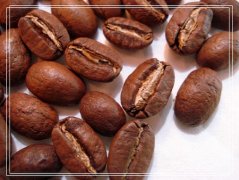
Robusta beans are small, round, and often compared to soybeans. They’re naturally resistant to pests and diseases, grow at lower altitudes, and yield more coffee per plant — all factors that make them cheaper to produce. For decades, the specialty coffee community avoided Robusta because most examples were poorly cultivated and processed, resulting in unpleasant flavors: earthy, dirty, sometimes even tire-like or burnt plastic. One reviewer described certain Vietnamese Robustas as tasting like ‘roasted barley tea mixed with tire additives,’ with multiple off-flavors that were impossible to finish.
The Rise of Specialty Robusta
But times are changing. In recent years, some producers have begun applying high-end processing methods to Robusta, with impressive results. Leading the charge is India’s ‘Kappi Royale’ grade Robusta — a designation meaning ‘top-tier’ Robusta, processed to specialty standards. At least four private estates in India now grow Kappi Royale using techniques like fully washed processing and pulp natural (honey) semi-washed methods. These beans exhibit a clean cup, free from the typical defects of mass-market Robusta. While still lacking the delicate floral notes of high-end Arabica, premium Robusta offers a heavier body, deeper tones, and flavors reminiscent of peanut butter, hazelnut spread, and wheat. The result is a rich, bold cup that’s surprisingly clean and structured.
India’s Kappi Royale Robusta remains rare, but it’s gaining attention among specialty roasters worldwide. Notably, David C. Schomer of Seattle’s Espresso Vivace included 14% Kappi Royale in his espresso blend as early as a decade ago. Meanwhile, Paradise Roasters, the highest-scoring U.S. roaster in a national competition, launched a 100% Kappi Royale espresso in 2009 and 2010 — scoring 90 and 91 points respectively from Coffee Review. (Schomer later reverted to 100% Arabica in 2009.) Even with its growing reputation, Kappi Royale remains expensive — often pricier than many Arabica coffees.
Why Do Italians Love Robusta?
If any country embraces Robusta, it’s Italy — especially in the south. In regions like Palermo, Naples, and Sicily, it’s common for espresso blends to contain 30–60% Robusta, with some recipes going as high as 80–100%. Local roasters have access to a wide selection of Robusta beans from around the globe, a rarity outside Italy.
The conventional wisdom says Italians add Robusta for more crema — the golden foam on top of a shot of espresso. That’s partly true. But there’s more to it. Historically, Robusta was used in southern Italy simply because it was cheaper. Over time, skilled roasters discovered that Robusta brings unique qualities to the cup: a heavier body, more intense bitterness, and a different mouthfeel. Unlike Arabica, which has 44 chromosomes and 1.5% caffeine, Robusta has 22 chromosomes and 2.8% caffeine. They’re biologically distinct species, and that difference creates a distinct flavor and structural profile. Think of Arabica as familiar and approachable, while Robusta is the bold, alien counterpart — less sweet, more intense, and capable of adding power and texture when used skillfully.
How to Think About Robusta Today
Robusta shouldn’t be written off as inherently inferior. Like any coffee, its quality depends on origin, farming practices, and processing. High-grade Robusta, especially from regions like India, can be a valuable component in espresso blends — contributing body, crema, and a distinctive flavor backbone. Whether used in small percentages or as a solo brew, premium Robusta proves that not all Robusta is created equal.
Frequently Asked Questions
What is the difference between Arabica and Robusta coffee beans?
Arabica beans are known for their higher acidity, lighter body, and complex aromatics, with around 1.5% caffeine. They typically have 44 chromosomes and are grown at higher altitudes. Robusta beans are more bitter, have a heavier body, and contain about 2.8% caffeine, with only 22 chromosomes. They are more disease-resistant and easier to grow at lower elevations.
Is there such a thing as good-quality Robusta?
Yes. Premium or specialty-grade Robusta, such as India’s Kappi Royale, is grown and processed using high standards similar to specialty Arabica. These beans can have a clean cup profile with flavors like peanut butter, hazelnuts, and wheat, and lack the harsh off-flavors common in cheap Robusta.
Why do Italian espresso blends often include Robusta?
Italian espresso blends, especially in the south, often contain 30–100% Robusta. While part of the reason is to enhance crema, historically it was also due to cost. Over time, roasters found that Robusta adds body, intensity, and a unique texture that complements Arabica in espresso.
What does Kappi Royale mean?
Kappi Royale is a grade of Indian Robusta that means ‘top-tier’ or ‘royal coffee.’ It refers to Robusta beans processed to specialty coffee standards, including fully washed and pulp natural methods, resulting in a cleaner and more complex cup.
Where can you find specialty Robusta coffee?
Specialty Robusta like Kappi Royale is still rare but is increasingly used by elite roasters, especially in espresso blends. It’s mostly sourced from India and used in small quantities to add body and crema, though some roasters offer 100% Robusta options.
Why is Robusta cheaper than Arabica?
Robusta is generally cheaper due to its higher yields, greater pest resistance, and ability to grow at lower altitudes. Traditional Robusta farming and processing methods are also less labor-intensive, contributing to its lower market price.
Recommended FrontStreet Beans Related to Robusta
While FrontStreet Coffee doesn’t currently offer pure Robusta beans, their Classic Blend and Commercial Blend espressos both contain carefully selected beans — including some with Robusta-like body and crema-enhancing properties — to deliver a rich, full-bodied shot. These blends showcase how different origins and processing methods can create complexity in espresso. For those curious about the role of Robusta-style beans in blends, trying these offerings provides a great starting point. Freshly roasted within 5 days · Orders placed before 17:00 ship the same day · Next-day delivery across most of Guangdong Province.
FrontStreet Coffee is a long-established specialty coffee roaster in Guangzhou China, selling freshly roasted beans from its own farm in Yunnan as well as dozens of carefully selected single-origin beans from around the world for both pour-over and espresso. The products deliver consistently excellent quality and great value, with shipping within 24 hours. Guangzhou's FrontStreet Coffee shop is recommended by many coffee lovers, and the beans are now available online at the Tmall 。
Important Notice :
前街咖啡 FrontStreet Coffee has moved to new addredd:
FrontStreet Coffee Address: 315,Donghua East Road,GuangZhou
Tel:020 38364473