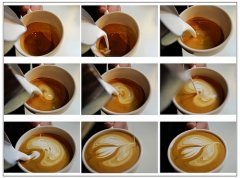
How Are Latte Art Patterns Actually Made?
You’ve seen the perfect heart or tulip float on top of a latte—but how does it actually stay there long enough to admire? The secret isn’t just skill; it’s physics. The iconic patterns rely on two distinct types of foam interacting in a very specific way. Understanding that helps explain why some pours look crisp while others dissolve instantly.
In short, latte art is created by pouring steamed milk—which carries a layer of stable microfoam—into espresso topped with crema. These two foams, both made of microscopic bubbles, mix slowly due to their particle size and density. This slow blending keeps the poured design sharp and visible for several minutes.
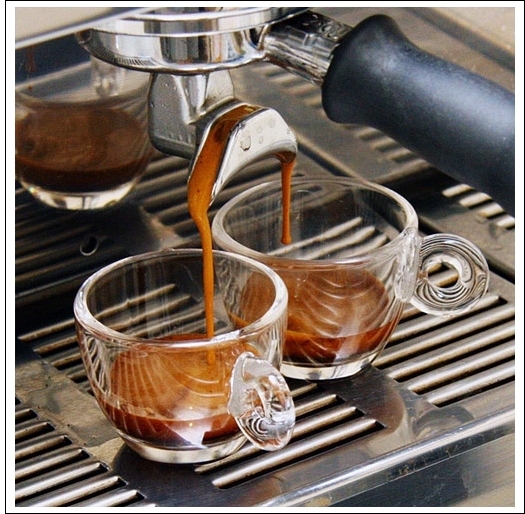
What Is Espresso Crema?
Espresso—the base for any latte art—is a small, concentrated coffee brewed by forcing nearly boiling water through finely ground, compacted coffee under high pressure. A key feature of well-brewed espresso is the reddish-brown foam that floats on top: crema. This crema typically makes up over 10% of the espresso’s total volume and contains roughly 50% gas by volume.
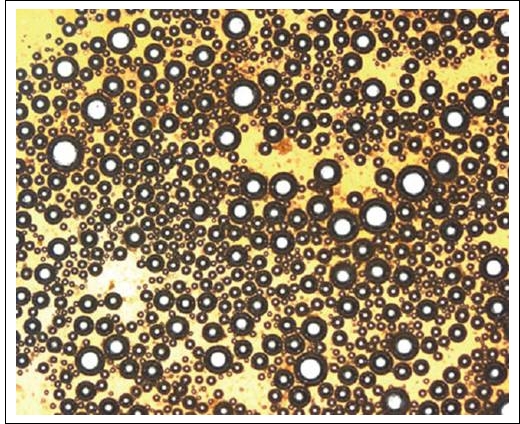
Under a microscope, crema reveals a structure full of bubbles, tiny fat particles (most under 10 micrometers), and fragments of coffee cell walls. This complex makeup contributes to its stability, often lasting around 10 minutes before dissipating.
What Is Milk Microfoam?
Milk used for latte art isn’t just hot—it’s been textured to create a layer of microfoam. This microfoam consists of milk mixed with air to form a mass of very fine bubbles. Like crema, it’s a stable foam, though composed differently, and can maintain its structure for several minutes. Getting the right amount and durability of microfoam is a technical process, often studied in detail by baristas and researchers alike.
How Do the Two Foams Create Latte Art?
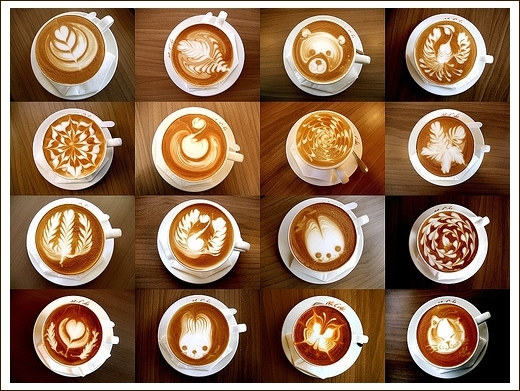
When you pour steamed milk into espresso, you’re actually combining two stable foams: the espresso’s crema and the milk’s microfoam. Both are made of micro-scale particles that don’t mix instantly. Instead, their bubbles interact slowly, keeping their distinct forms intact for longer periods. This slow diffusion allows the contrasting colors and textures to remain defined, making the poured patterns—like hearts or leaves—visible and attractive for minutes.
The large size of the foam particles and their slow mixing rate mean the boundary between milk and espresso remains clear. That’s why a barista’s pour can create a lasting visual effect, rather than just a quickly-blending mixture.
Why Foam Matters More Than Liquid Mixing
If neither component had foam, pouring milk into espresso wouldn’t produce a stable design. While both liquids contain tiny particles, they lack the bubble structure and stability of foam. Their interface would blur quickly due to internal movement and diffusion, erasing any pattern almost immediately. Only the interaction of two stable foams allows for the crisp, enduring designs we recognize as latte art.
Frequently Asked Questions
What exactly is espresso crema and why is it important for latte art?
Espresso crema is the reddish-brown foam that forms on top of properly extracted espresso. It consists of bubbles, tiny fat particles (usually less than 10 micrometers), and coffee cell wall fragments. Crema usually makes up over 10% of the espresso volume and contains about 50% gas. Its stability, which lasts around 10 minutes, is crucial because it helps form the base layer that interacts with milk foam to create long-lasting latte art patterns.
What is milk microfoam and how is it different from regular milk?
Milk microfoam is steamed milk that has been infused with fine air bubbles to create a smooth, velvety texture. Unlike regular milk, microfoam consists of a stable layer of very small bubbles that can persist for several minutes. This stability is essential for maintaining the sharpness of latte art designs as the milk is poured into espresso.
How long do the foams in espresso and milk stay stable?
Espresso crema generally remains stable for about 10 minutes, while milk microfoam can last for several minutes as well. Their combined stability slows down the mixing process, allowing latte art patterns to stay defined long enough for customers to appreciate.
Does the color contrast between espresso and milk help with latte art visibility?
Yes, the visual contrast between the dark espresso (and its crema) and the white or light-colored microfoam helps make the patterns more noticeable. However, the key factor in maintaining the shape and clarity of the design is the slow mixing of the two stable foams.
Why do latte art patterns disappear over time?
Latte art patterns fade as the two foams—crema and microfoam—slowly begin to mix at the molecular level. Although their large particle size delays diffusion, the patterns will eventually blur and merge as the bubbles intermingle, usually within a few minutes.
Is it possible to create latte art without crema?
No, creating stable and visible latte art is extremely difficult without a good layer of crema. The crema provides the initial stable foam layer that interacts with milk microfoam to maintain the design’s shape. Without it, the milk and espresso mix too quickly, and any pattern will dissolve almost instantly.
Recommended FrontStreet Blends for Classic Espresso Crema
For brewing espresso with strong, lasting crema ideal for latte art, try FrontStreet Coffee’s Classic Blend—a well-rounded mix modeled after traditional Italian profiles, delivering rich body and velvety crema even with entry-level machines. For higher volume or budget-conscious shops, Black Cocoa Blend offers bold flavor and ample crema at a lower price point, using 100% Arabica beans. Commercial Blend is another solid choice with optimized cost and taste balance, though with slightly less crema emphasis. All three are suitable for crafting espresso with the stable foam needed for precise latte art. Freshly roasted within 5 days · Orders placed before 17:00 ship the same day · Next-day delivery across most of Guangdong Province.
FrontStreet Coffee is a long-established specialty coffee roaster in Guangzhou China, selling freshly roasted beans from its own farm in Yunnan as well as dozens of carefully selected single-origin beans from around the world for both pour-over and espresso. The products deliver consistently excellent quality and great value, with shipping within 24 hours. Guangzhou's FrontStreet Coffee shop is recommended by many coffee lovers, and the beans are now available online at the Tmall 。
Important Notice :
前街咖啡 FrontStreet Coffee has moved to new addredd:
FrontStreet Coffee Address: 315,Donghua East Road,GuangZhou
Tel:020 38364473