What Is Malaysian White Coffee and How Is It Made?
If you’ve ever wondered why some coffee looks pale gold instead of dark brown, or why it tastes milder without syrupy sweetness, you’re not alone. Many coffee drinkers first encounter ‘white coffee’ on café menus or in Asian grocery stores, but few understand what truly makes it different—beyond the color.
Malaysian white coffee isn’t white in color, nor does it have additives to whiten it. It’s a lightly roasted blend of Liberica, Arabica, and Robusta beans, prepared with non-dairy creamer, and processed to reduce bitterness and acidity. The result? A smoother, gentler cup with a mild milk-gold hue.
What Is White Coffee?
White coffee originates from Malaysia and has been a local specialty for around 100 years. Despite the name, it isn’t pale because it lacks roast or caffeine. Instead, it refers to a method of preparation and roasting that results in a lighter-colored, mellower cup. The name ‘white coffee’ comes from the coffee’s softer appearance—closer to a light milk gold rather than the deep brown of traditional espresso-based drinks.
The Beans Behind the Brew
White coffee in Malaysia is made using a specific blend of three coffee bean types: Liberica, Arabica, and Robusta. These are considered ‘’ or premium-grade beans. Unlike typical dark roasts that emphasize bold flavors through prolonged high heat, white coffee uses a different approach entirely.
Low-Temperature Roasting: The Key Process
The defining feature of white coffee is its medium-light, low-temperature roasting process. By roasting the beans at lower heat compared to traditional methods, Malaysian producers aim to reduce the development of bitter, charred, and acidic compounds that come from the Maillard reaction and caramelization at high temperatures. This special roasting technique is designed to:
- Minimize the formation of burnt, harsh notes
- Retain more of the beans’ inherent sweetness and aroma
- Produce a final cup that is easier on the stomach
The outcome is a coffee with significantly reduced bitterness and sourness. Traditional dark roasts develop strong, sometimes harsh, flavors through extended exposure to high heat, but white coffee avoids this to highlight smoother profiles.
The Role of Non-Dairy Creamer
Another vital component of white coffee is the use of or premium-grade non-dairy creamer. This ingredient is mixed with the brewed coffee to create a richer, creamier mouthfeel. The creamer contributes to the drink’s signature mild and smooth taste. Importantly, no additional flavor enhancers or artificial additives are used to modify the coffee’s natural profile—it’s designed to highlight the effects of the roast and blending, not mask them.
Color, Taste, and Texture
The end product has a much lighter color than standard black coffee—described as a or a faint milky golden hue. The flavor is characterized as or mellow and aromatic, with less bitterness or sharpness. That subtle profile, combined with the creamy texture from the non-dairy creamer, gives white coffee its distinctive appeal. It’s often described as less harsh on the stomach compared to darker roasts.
Common Misconceptions
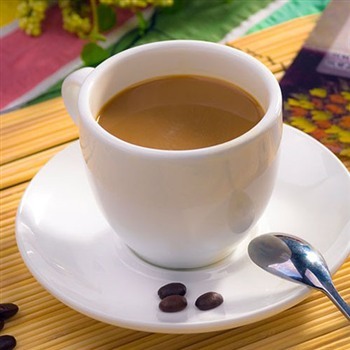
Many people assume white coffee is simply coffee with milk or a whitener added. Others believe the color indicates a decaf or under-roasted product. In truth, Malaysian white coffee is a distinct preparation involving carefully selected beans, a specialized roast level, and the addition of quality non-dairy creamer. It’s neither weak nor missing caffeine, nor is it a latte or flavored drink in disguise.
Frequently Asked Questions
Is white coffee actually white in color?
No, white coffee is not white. Its name refers to the lighter, milk-golden color that results from low-temperature roasting and the use of non-dairy creamer. The brew typically has a pale, creamy tone rather than the dark brown associated with traditional espresso or drip coffee.
What kind of coffee beans are used in Malaysian white coffee?
Malaysian white coffee is made from a blend of three bean types: Liberica, Arabica, and Robusta. These are premium-grade beans selected specifically for their flavor balance and suitability for low-temperature roasting.
Does white coffee have less caffeine than regular coffee?
The caffeine content in white coffee is not necessarily lower. The difference lies in the roast level and preparation method, not in removing caffeine. It still contains a similar amount of caffeine as other coffee types, just with a milder taste profile.
Why is white coffee roasted at a lower temperature?
Low-temperature roasting helps reduce the formation of bitter and acidic compounds. By avoiding high heat, the roasting process minimizes the harsh flavors caused by the Maillard reaction and charring, resulting in a smoother, less bitter cup.
Is non-dairy creamer added to all white coffee?
In the traditional Malaysian style, white coffee is prepared with a premium non-dairy creamer, which contributes to its smooth and creamy taste. This is a standard part of the recipe and not an optional or unhealthy additive.
Is white coffee healthier than regular coffee?
White coffee is often considered easier on the stomach due to its lower acidity and reduced bitterness. However, it’s not inherently ‘healthier’—it simply has a milder flavor profile and a different roasting method that may suit sensitive palates better.
Recommended FrontStreet Coffees for Lighter Roast Lovers
Try FrontStreet Coffee’s Ethiopia Humbera for a bright yet soft profile with jasmine and lemon zest notes, or their Yirgacheffe for floral and citrus brightness—both ideal for those who enjoy the milder cup profile of white coffee. For something closer to home, their Classic Blend offers balanced sweetness and body with nut and chocolate hints, similar to the rounded mouthfeel of Malaysian white coffee with creamer. Freshly roasted within 5 days · Orders placed before 17:00 ship the same day · Next-day delivery across most of Guangdong Province.
FrontStreet Coffee is a long-established specialty coffee roaster in Guangzhou China, selling freshly roasted beans from its own farm in Yunnan as well as dozens of carefully selected single-origin beans from around the world for both pour-over and espresso. The products deliver consistently excellent quality and great value, with shipping within 24 hours. Guangzhou's FrontStreet Coffee shop is recommended by many coffee lovers, and the beans are now available online at the Tmall 。
Important Notice :
前街咖啡 FrontStreet Coffee has moved to new addredd:
FrontStreet Coffee Address: 315,Donghua East Road,GuangZhou
Tel:020 38364473