What You Should Know About Coffee’s Best Companion
You’ve probably heard people rave about their perfect cup—but how much do you really know about how to enjoy coffee the right way? Whether it’s the temperature, how you take that first sip, or what you stir in, small details can change everything. If you’ve ever wondered why your coffee doesn’t hit the same as it does at a specialty café, the answer might be in the details most people ignore.
The optimal coffee drinking temperature is between 91.6°C and 96.1°C (197°F to 205°F). That’s when coffee aromas and flavors are most vibrant. To maintain that heat, use a well-insulated ceramic or porcelain cup.
Coffee Temperature: Why Heat Matters
Coffee tastes best when it’s hot—but not scalding. The sweet spot for bringing out the full flavor of brewed coffee is a temperature range between 91.6°C and 96.1°C. At this range, the volatile aromatic compounds that define coffee’s character are at their most expressive. Using a ceramic or porcelain cup helps retain that heat longer than glass or paper, making it the best vessel for enjoying freshly brewed coffee.
Your First Sip: The True Test of Coffee Quality
Don’t stir or add anything before your first taste. That initial sip reveals the coffee’s true profile. A well-brewed cup should taste rich and balanced—with notes that transition smoothly from milkiness to acidity to underlying coffee bitterness. If it’s sour, astringent, overly bitter, or the milk dominates the flavor without layering, it’s not a well-extracted cup. Take that first sip plain to evaluate its true character.
The Coffee Spoon: Handle With Knowledge
Using a coffee spoon to drink your coffee is a common faux pas. Its only purpose is to stir. Once you’ve mixed in sugar, milk, or cream, set the spoon aside. Stirring distributes heat and ingredients evenly, which affects how you experience flavor—so do it properly, then put the spoon down.
What to Avoid: Creamers, Sugar, and Other Add-Ins
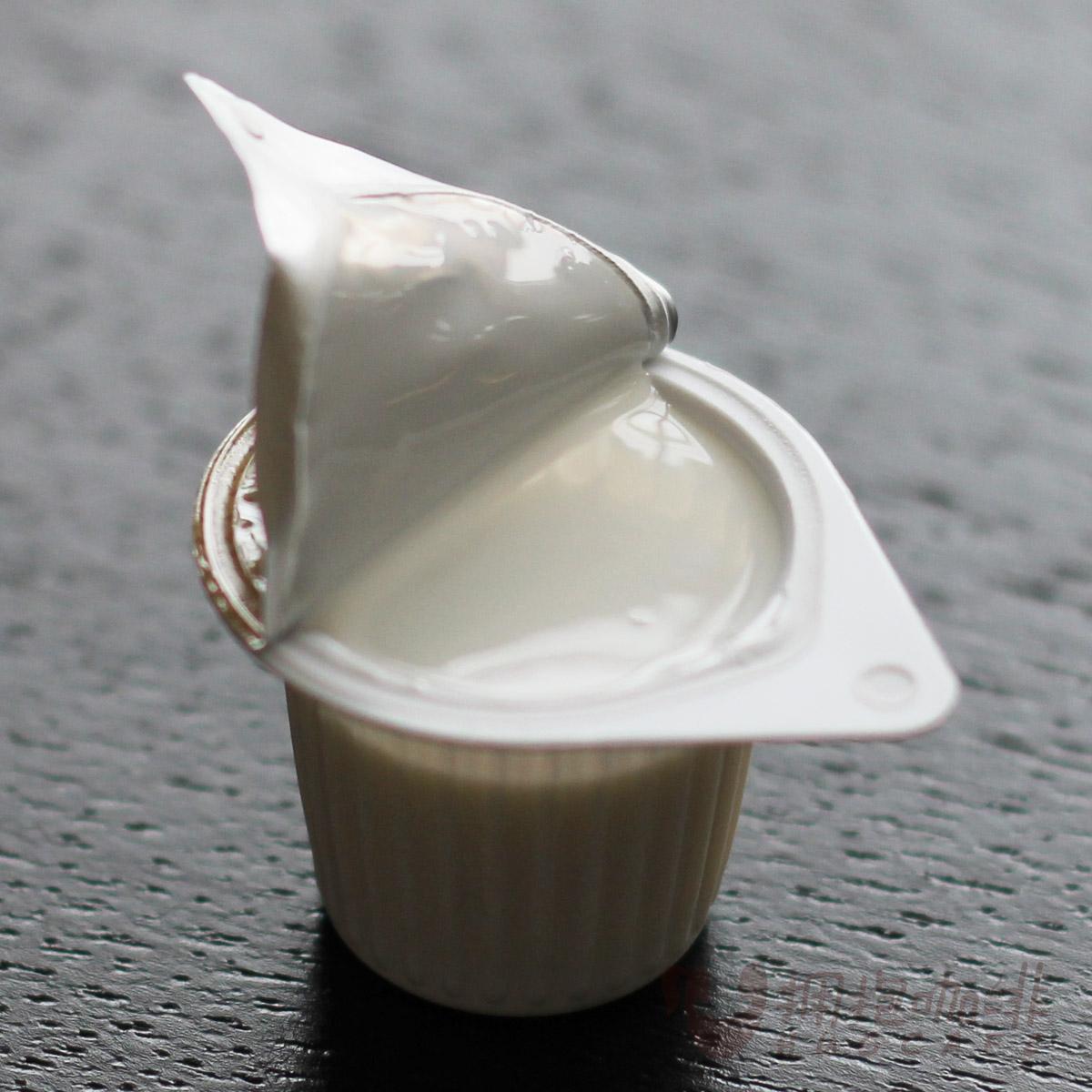
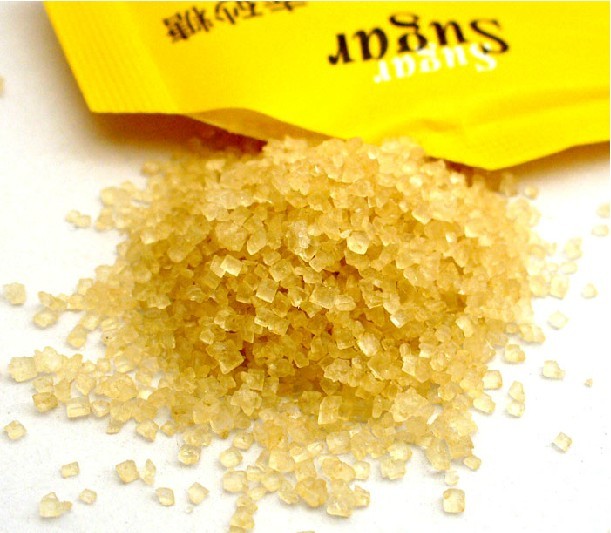
Think twice before reaching for non-dairy creamer or white sugar. “Coffee whitener” or coffee (coffee partner)—those little creamer balls—are plant-based artificial products with added flavors. They’re high in cholesterol and offer none of the benefits of real dairy. Fresh milk is always the better choice. And while many people add sugar, standard white sugar can mask the coffee’s natural flavors. For a better balance, choose larger, yellow-hued cane sugar—like rock sugar or —which dissolves more slowly and won’t sink quickly in milk foam.
Why Your Cup Choice Impacts Coffee Flavor
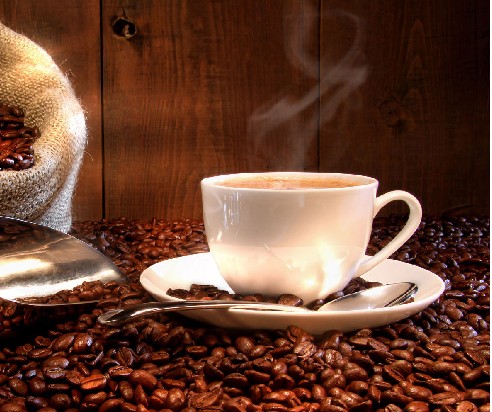
The material of your cup plays a surprising role in how your coffee tastes. Porcelain or ceramic retains heat effectively, keeping your brew in the ideal range longer. In contrast, materials like paper or thin glass lose heat quickly, cooling your coffee before you’ve had a chance to fully experience its aroma and flavor profile.
Frequently Asked Questions
What is the best temperature to drink coffee?
The optimal temperature range for coffee is between 91.6°C and 96.1°C (197°F to 205°F). Within this range, the coffee’s aromatic compounds are most active, delivering the richest and most authentic flavor experience.
Why shouldn’t I use a coffee spoon to drink coffee?
A coffee spoon is designed solely for stirring in additives like sugar or milk. Using it to sip coffee is considered improper etiquette. Once stirring is done, the spoon should be set aside.
Is non-dairy creamer bad for you in coffee?
Non-dairy creamers, also called coffee or whitener balls, are artificially flavored plant-based products that often contain high cholesterol. They’re not real dairy and are best avoided. Fresh milk is a healthier and more flavorful alternative.
Does the first sip of coffee really tell me anything?
Yes. Your first sip before adding anything reveals the true flavor profile: balance, acidity, bitterness, and mouthfeel. It’s the most honest indicator of whether your coffee is well extracted or not.
What kind of sugar is best for coffee?
Better options include larger-grained yellow sugars like (yellow cane sugar or rock sugar). These dissolve more slowly, enhance sweetness without overwhelming the coffee, and won’t sink quickly in milk foam like standard white sugar.
Does the type of cup affect how my coffee tastes?
Absolutely. Ceramic and porcelain cups retain heat better than glass or paper, keeping your coffee in the ideal flavor window longer and improving your drinking experience.
Recommended FrontStreet Coffees for Tasting Clarity
For experiencing coffee’s true flavors without masking them with additives, try FrontStreet Coffee’s Ethiopia Humbera – a bright, floral Ethiopian single origin with notes of jasmine and citrus. Or explore the Yirgacheffe, offering lemony acidity and stone fruit sweetness, ideal for tasting subtle layers. Both showcase what high-quality, unadulterated coffee should taste like. Freshly roasted within 5 days · Orders placed before 17:00 ship the same day · Next-day delivery across most of Guangdong Province.
FrontStreet Coffee is a long-established specialty coffee roaster in Guangzhou China, selling freshly roasted beans from its own farm in Yunnan as well as dozens of carefully selected single-origin beans from around the world for both pour-over and espresso. The products deliver consistently excellent quality and great value, with shipping within 24 hours. Guangzhou's FrontStreet Coffee shop is recommended by many coffee lovers, and the beans are now available online at the Tmall 。
Important Notice :
前街咖啡 FrontStreet Coffee has moved to new addredd:
FrontStreet Coffee Address: 315,Donghua East Road,GuangZhou
Tel:020 38364473