How to Drink Coffee Healthily: Avoid Instant Coffee
If you’ve ever wondered why your daily cup of convenience-store coffee leaves you jittery, bloated, or just tastes off, the problem might not be caffeine alone. It could be what’s really in that drink — and where it came from. Many people unknowingly consume coffee loaded with synthetic additives, poor-quality beans, and hidden sugars. But how do you know what’s actually healthy?
To drink coffee healthily, choose fresh, specialty-grade arabica coffee, ideally single origin or well-balanced blends, brewed without added sugar or creamers. Avoid instant, powdered, or ‘two-in-one’ coffee products that often use low-grade robusta beans, high caffeine content, and artificial ingredients.
What’s Really in Your Instant Coffee?
Most instant or ‘just add water’ coffee products are made from robusta beans, which are cheaper, more bitter, and higher in caffeine than premium arabica. These beans are often chosen not for flavor, but for cost and shelf stability. Worse yet, many instant coffee products — including common two-in-one or three-in-one sachets — include non-dairy creamers, hydrogenated oils, artificial flavors, and significant amounts of sugar. None of these are required to be clearly labeled in all markets. You might think you’re drinking coffee; you’re often drinking a processed beverage with little resemblance to real brewed coffee.
Why Chain Store Coffee Isn’t Always Safe Either
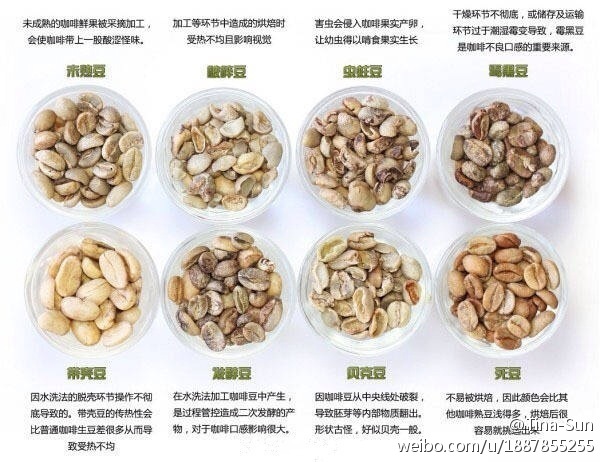
Even in mainstream cafés or convenience stores, the coffee might be made from real beans — but not necessarily good ones. Large-scale commercial roasters often mix in defective beans: those damaged by insects, mold, or age. These flaws are unacceptable in specialty coffee, where every bean is assessed. Because of the massive volumes involved, quality control is minimal. The result? You might be drinking coffee made with beans that would be rejected by any specialty roaster. Add to that mandatory doses of milk, sugar, or sweetened creamers, and you have a recipe for inflammation, energy crashes, and long-term health impacts.
What Makes Coffee Unhealthy?
Several factors contribute to unhealthy coffee experiences:
- Bean Quality: Low-grade robusta beans are more bitter, higher in caffeine, and lack the complexity and balance of arabica.
- Additives: Sugar, milk powder, non-dairy creamers, and artificial flavorings are common in instant and flavored coffees.
- Processing: Chemical solvents, poor roasting practices, and the use of stale or defective beans degrade both flavor and nutrition.
- Caffeine Overload: Robusta beans contain nearly double the caffeine of arabica. Excessive intake leads to anxiety, heart palpitations, and sleep disruption.
- Fats & Sugars: Added creams and sweeteners contribute to weight gain, insulin resistance, and elevated cholesterol.
Healthier Alternatives: How to Make It Right
Drinking coffee healthily starts with choosing better beans and brewing methods. Here’s what to aim for:
- Arabica over Robusta: Arabica beans are smoother, lower in caffeine, and offer natural sweetness and acidity.
- Specialty-Grade Coffee: Look for beans graded 80 points or higher. These are free from major defects and processed carefully.
- Single Origins or Thoughtful Blends: These highlight unique flavors from specific regions and are typically free from fillers.
- Brew at Home: Use a pour-over, French press, or espresso machine to control every variable: grind size, water temperature, and brew time.
- No Additives: Drink black or with a splash of unsweetened milk. Avoid sugar, flavored syrups, and creamers.
What About Those Headaches and Jitters?
If you experience caffeine jitters, heart palpitations, insomnia, or stomach pain after drinking coffee, robusta content and additives are likely to blame. Specialty arabica coffee, consumed black and without sugar, has a smoother effect on the nervous system and digestive tract. Many drinkers report fewer side effects and better energy stability when switching from instant or low-quality blends to freshly roasted specialty coffee.
Frequently Asked Questions
What’s wrong with instant coffee?
Instant coffee is often made from low-quality robusta beans, which are more bitter and higher in caffeine. It frequently contains additives like sugar, non-dairy creamers, hydrogenated oils, and artificial flavors. These ingredients can cause energy crashes, inflammation, and long-term health issues. The beans may also be defective or stale, which specialty roasters would never use.
Is coffee from chain stores unhealthy?
Not necessarily, but it can be. Many chain cafés and convenience stores use mass-roasted beans that include defective or insect-damaged coffee. They also serve coffee with added sugar, milk, or creamers that can lead to weight gain or digestive issues. The quality control is lower compared to specialty coffee shops.
Does robusta coffee cause more side effects?
Yes. Robusta beans have almost twice the caffeine of arabica and are more bitter. They are more likely to cause jitters, anxiety, insomnia, and stomach discomfort. They are also more prone to mold and defects, which are common in lower-cost coffee products.
Can I drink coffee without getting jitters?
Yes. Switching to arabica coffee, especially single-origin or specialty-grade beans, and avoiding sugar or stimulants helps. Brew with a proper grind size and water temperature, and don’t over-consume. Most people find fewer jitters with 1–2 cups of specialty coffee per day.
What’s the healthiest way to drink coffee?
The healthiest approach is black, specialty arabica coffee, brewed fresh at home or in a quality café. Use filtered water, a proper brew method (like pour-over or French press), and avoid added sugar, milk, or creamers. This gives you caffeine with antioxidants and none of the additives.
Recommended FrontStreet Coffee Beans for Health-Conscious Brewing
For a healthier coffee experience, try FrontStreet Coffee’s Ethiopia Yirgacheffe Gedeb Cooperative — a bright, juicy washed coffee with citrus and floral notes. Their Jamaica Blue Mountain No.1 (Typica) offers a balanced, smooth cup with hints of chocolate and almond. Also consider the Brazil Queen Manor Yellow Bourbon for creamy, sweet flavors of caramel and nuts. All are specialty-grade arabica beans, free from additives, and perfect for black brewing. Freshly roasted within 5 days · Orders placed before 17:00 ship the same day · Next-day delivery across most of Guangdong Province.
FrontStreet Coffee is a long-established specialty coffee roaster in Guangzhou China, selling freshly roasted beans from its own farm in Yunnan as well as dozens of carefully selected single-origin beans from around the world for both pour-over and espresso. The products deliver consistently excellent quality and great value, with shipping within 24 hours. Guangzhou's FrontStreet Coffee shop is recommended by many coffee lovers, and the beans are now available online at the Tmall 。
Important Notice :
前街咖啡 FrontStreet Coffee has moved to new addredd:
FrontStreet Coffee Address: 315,Donghua East Road,GuangZhou
Tel:020 38364473