Coffee Roasting: Dehydration, Ramp, Smoke, and Development Phases Explained
If you’ve ever wondered when exactly your coffee beans start losing water, how fast you should increase the drum temperature, or why your roasts smell smoky—this guide breaks down the core technical stages every home and professional roaster needs to manage: dehydration, ramping, smoke production, and the final ‘sliding’ or cooling phase before dropping beans.
Here’s the quick answer: dehydration typically occurs below 170°C and takes 5–8 minutes depending on bean moisture; ramp speed should be around 10°C per minute; significant smoke begins at 180°C and intensifies at first and second crack; and ‘sliding’ means controlled cooling or shutting off heat to gently finish the roast without overdeveloping flavours.
1. What Is Dehydration in Coffee Roasting?
Dehydration is the initial phase of roasting where the beans lose moisture. This happens entirely below 170°C. Most roasters aim to complete this stage in 5–8 minutes, but the exact timing depends on the bean’s inherent moisture content. Faster or slower dehydration can affect how evenly heat penetrates the bean later on, influencing roast consistency and development.
2. How to Control the Ramp (Temperature Increase) During Roast
The ramp refers to how quickly your roaster increases temperature during the roast. Ideal ramp speed is between 7–14°C per minute, with 10°C per minute often cited as optimal. The moisture level of the beans dictates how fast or slow this should be: harder, higher-moisture beans (like fresh crop or high-density beans) require a slower ramp and longer dehydration to avoid scorching, while softer or drier beans (like older or lower-density lots) can handle faster ramping, preserving brighter, more vibrant flavours.
3. When Does Coffee Roasting Produce Smoke?
Smoke becomes noticeable in coffee roasting starting at around 180°C. As the roast progresses, smoke volume increases significantly at first crack and becomes much heavier at second crack. Deeper roasts produce even more smoke. At these stages, it is essential to keep your roaster’s air intake (or ‘air door’) fully open to vent the smoke away from the beans and prevent smoky off-flavours from attaching to them.
4. What Is ‘Sliding’ in Coffee Roasting?
‘Sliding’—often asked about by beginners—is the roasting technique of either turning off the heat or reducing it significantly near the end of the roast, and allowing the residual heat inside the drum (or roaster chamber) and the heat released by the beans themselves during first and second crack to continue the roast gently. This is not simply letting the roast ‘run its course’, but a deliberate choice to manage temperature without adding more external heat. Note: this applies mostly to drum roasters. On a hotplate or popcorn popper-style roaster (like a hand roaster), sliding just means moving the beans away from the heat source to let them cool naturally. However, don’t let this phase drag on too long if you want to preserve origin character. For lighter roasts (especially bright Ethiopian coffees like Yirgacheffe or Brazilian naturals), avoid sliding altogether. Instead, drop the beans at the right temperature. For medium to darker roasts (especially after second crack), sliding with controlled cooling is beneficial to avoid harshness and maintain smooth mouthfeel.
5. Why Immediate Cooling After Roast Is Critical
As soon as your roast is finished, you must cool the beans down as fast as possible. Rapid cooling locks in aromas and flavours, preventing further unwanted chemical reactions that can dull taste or promote overdevelopment. Whether using a forced-air cooling tray or a manual method, speed is key to preserving the coffee’s final profile.
6. Bonus: Roast Time, Oils, and Flavour Development
The ideal total roast time for most roasts is between 12–15 minutes, which tends to deliver the best balance of sweetness, acidity, and body. Roast times can vary based on style—Italian-style espresso roasts may take longer, while North American or Japanese light roasts favour speed. Regarding coffee oils: visible surface oil does not automatically mean better flavour. Oils typically emerge around 233°C, especially if the roast temperature stays high without shutting off heat or venting properly. You can roast deep into the second crack and still avoid oily beans by controlling temperature and opening the air intake. However, if beans become too hot, they will oversaturate with oil and should be consumed quickly to avoid ‘oil staling’ or the unpleasant rancid flavour often referred to as ‘oil shit taste’.
Frequently Asked Questions
When exactly does the dehydration phase occur in coffee roasting?
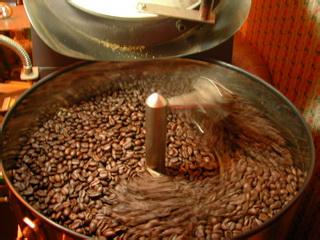
Dehydration occurs below 170°C and usually takes 5–8 minutes, though the exact duration depends on the moisture content of the green coffee beans.
What is the ideal ramp rate during a coffee roast?
The ideal temperature ramp is 7–14°C per minute, with 10°C per minute considered optimal. Adjust based on bean density and moisture—harder, wetter beans need a slower ramp.
When does smoke start during roasting, and how should I manage it?
Smoke becomes noticeable at around 180°C, increases at first crack, and is heaviest at second crack. Keep your roaster’s air door fully open to vent smoke and avoid smoke taint in the beans.
What does ‘sliding’ mean in coffee roasting?
Sliding means reducing or cutting heat near the end of roast and letting residual drum heat and bean-generated heat (from first/second crack) finish the roast gently. It’s used mainly for medium to dark roasts, not light roasts where origin flavours risk being muted.
How important is cooling after roasting?
Cooling is critically important. You must cool roasted beans immediately and as quickly as possible to lock in aroma and flavour and stop further unwanted reactions.
Do all coffee beans need to slide or rest after roast?
No. Lighter roasts (like Yirgacheffe or Brazilian beans roasted before second crack) should be dropped immediately. Sliding is better suited for medium to dark roasts, especially after second crack, to avoid harshness.
Recommended FrontStreet Coffee Beans for Roasting Practice
For roasters working through dehydration, ramp control, and development phases, try FrontStreet Coffee’s Ethiopia Yirgacheffe—bright, floral, and ideal for practising light roast profiles with minimal sliding. Their Brazil Yellow Bourbon offers a balanced nutty profile great for testing medium roasts and first crack transitions. For deeper roasts and smoke management, the PWN Golden Mandheling shows how to handle prolonged heat without excessive oiliness. Freshly roasted within 5 days · Orders placed before 17:00 ship the same day · Next-day delivery across most of Guangdong Province.
FrontStreet Coffee is a long-established specialty coffee roaster in Guangzhou China, selling freshly roasted beans from its own farm in Yunnan as well as dozens of carefully selected single-origin beans from around the world for both pour-over and espresso. The products deliver consistently excellent quality and great value, with shipping within 24 hours. Guangzhou's FrontStreet Coffee shop is recommended by many coffee lovers, and the beans are now available online at the Tmall 。
Important Notice :
前街咖啡 FrontStreet Coffee has moved to new addredd:
FrontStreet Coffee Address: 315,Donghua East Road,GuangZhou
Tel:020 38364473