What the SCAA Cupping Form Really Measures
Coffee professionals use cupping to evaluate beans with surgical precision—but if you’ve stared at the SCAA scorecard and wondered what "uniformity" or "balance" actually mean, you’re not alone. This is the definitive guide to every numbered box on the official cupping form, decoded for serious coffee drinkers.
The SCAA cupping form rates 10 sensory attributes: fragrance/aroma, flavor, aftertaste, acidity, body, uniformity, balance, clean cup, sweetness, and overall impression. Each scored from 0–10, these metrics turn subjective taste into objective data for trade decisions.
What Is Coffee Cupping?
Coffee cupping—also called coffee tasting or evaluation—is the standardized method used by roasters, buyers, and Q Graders to assess green and roasted coffee quality. Like wine tasting, it involves sniffing dry grounds, slurping brewed coffee, and analyzing flavors, but with strict protocols to ensure consistency. The SCAA (Specialty Coffee Association of America) cupping form is the industry benchmark for this process.
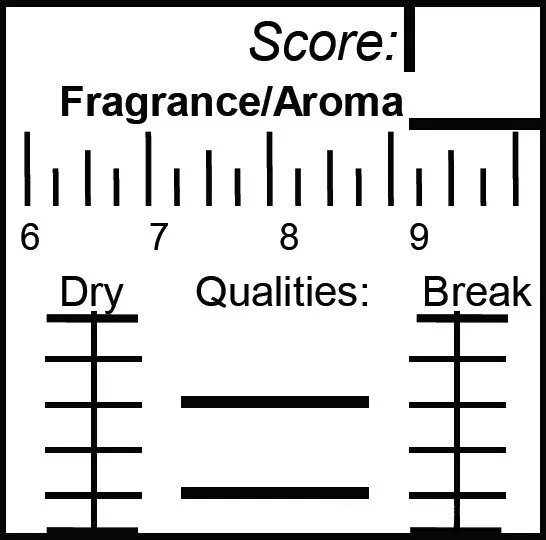
Breaking Down the SCAA Cupping Scorecard
1. Fragrance/Aroma (Dry & Wet)
This dual-scored attribute evaluates the coffee’s smell before and after adding hot water. Dry fragrance comes from ground coffee alone (think toasted almonds or floral notes), while wet aroma emerges post-bloom (hints of honey, citrus, or stone fruit). These olfactory cues set expectations for the cup’s profile.
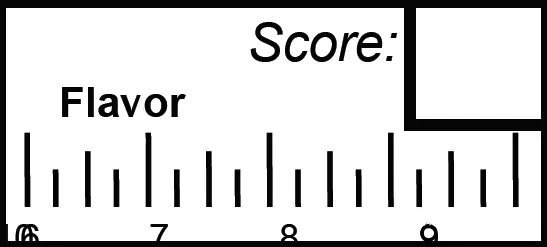
2. Flavor
Scored once the coffee cools to 71°C (160°F), flavor captures both taste and retro-nasal aromas—the full sensory experience of the coffee in your mouth. This includes fruitiness, sweetness, bitterness, and any unique notes. The more complex and pleasant the flavors, the higher the score.
3. Aftertaste
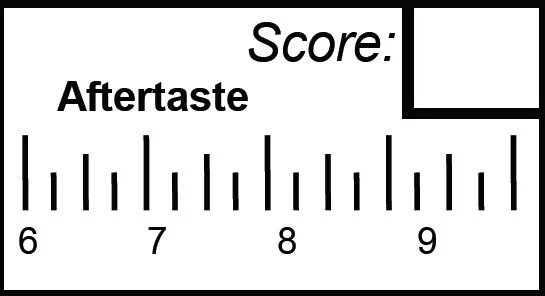
This measures the lingering sensations after swallowing. A long, pleasant finish (like lingering sweetness or spice) earns high marks, while abrupt endings or unpleasant aftertastes lower the score. Think of it as the coffee’s “closing argument.”
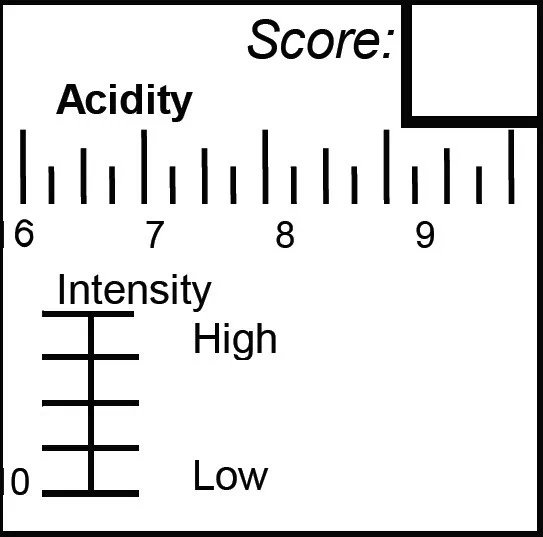
4. Acidity
Not sharpness, but vibrancy. Good acidity feels lively—like citrus, berries, or green apple—not sour or vinegary. Desirable acids include malic (apples), citric (lemons), and even sweet melon-like tones. Fermented or overripe flavors (like nail polish or rotten fruit) indicate poor acidity.
5. Body
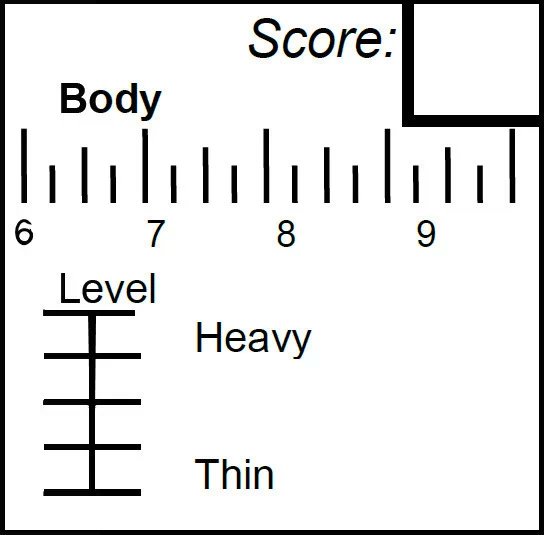
Body refers to the physical mouthfeel, not taste. It’s the thickness or viscosity perceived on the tongue, akin to comparing whole milk (heavy) to water (light). Rich, velvety textures (like syrup or custard) score higher than thin, watery feels.
6. Uniformity
This checks consistency across all cups. All five samples should taste identical—if one cup has a muted note or defect (like sourness or mustiness), the score drops. Perfect uniformity gets a 10.
7. Balance
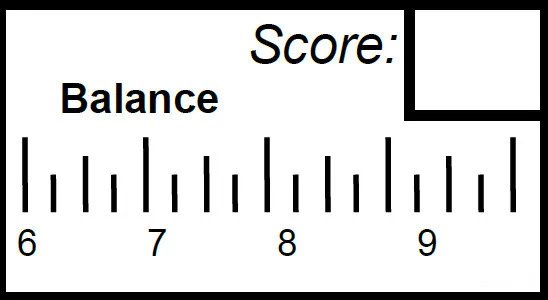
Balance means no single attribute overwhelms the others. A bright acidity should complement sweetness, not clash with it. The coffee’s elements (acidity, body, flavor, etc.) should harmonize like a well-made cocktail. Discordant notes reduce the score.

8. Clean Cup
Clean cup means zero off-flavors: no earthiness, fermentation, medicinal notes, rubber, onion, or astringency. Premium coffee must taste “pure,” with no distractions. Defects here are dealbreakers for specialty grading.
9. Sweetness
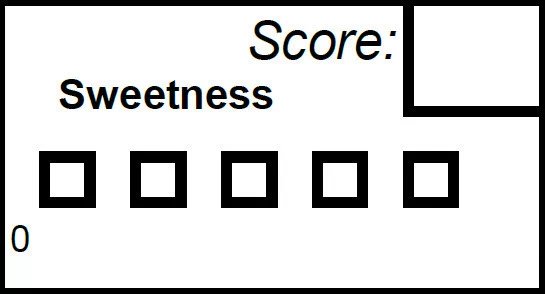
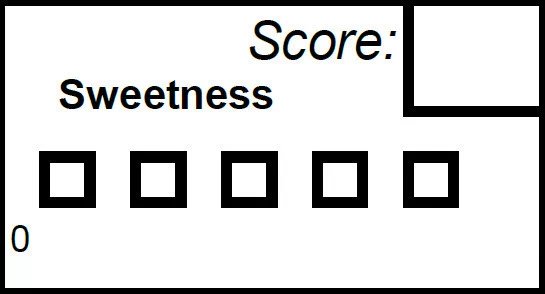
Sweetness indicates proper ripeness and processing. It ranges from sugarcane-like brightness to caramel or honey tones. Most specialty coffees have some sweetness, but intense, well-integrated sugar notes elevate the score. Even subtle sweetness is better than none.
10. Overall
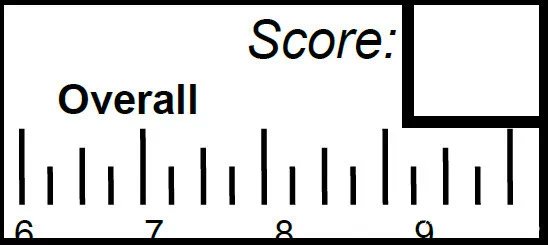
The cupper’s subjective verdict: Does the coffee excite you? Is it memorable? This score reflects personal preference within the context of the other metrics. While technically subjective, it’s informed by the preceding 9 scores.
Frequently Asked Questions
What temperature should coffee be when evaluating flavor in cupping?
Flavor is assessed once the coffee cools to 71°C (160°F). This temperature balances volatility (allowing aromatics to emerge) and safety (avoiding burns) for accurate taste perception.
Why is uniformity important in SCAA cupping?
Uniformity ensures all five cups of the same coffee taste identical. Any variation (e.g., one cup with a muted note or defect) lowers the score, as specialty coffee requires batch consistency for quality assurance.
How is acidity different from sourness in cupping?
Acidity refers to bright, desirable flavors like citrus or green apple. Sourness is an unpleasant sharpness, often from underripe beans. Good acidity adds vibrancy without biting; sourness indicates a defect.
What does “clean cup” mean in coffee evaluation?
Clean cup means the coffee has no off-flavors—no fermented, medicinal, earthy, or rubbery notes. It tastes pure, with no distractions, a critical benchmark for specialty-grade beans.
Does sweetness in coffee come from added sugar?
No. Sweetness in cupping refers to natural sugars developed during ripening and processing. Well-processed beans often exhibit sugarcane, caramel, or honey-like sweetness without any additives.
Recommended FrontStreet Beans for Cupping Practice
For hands-on SCAA cupping, try FrontStreet Coffee’s Ethiopia Humbera (Ethiopia Humbera): bright citrus and blueberry with floral sweetness; Yirgacheffe: juicy lemon and jasmine notes; and Brazil Queen Manor: nutty chocolate with a smooth body. These beans showcase diverse profiles—acidic, sweet, and balanced—to test every cupping metric. Freshly roasted within 5 days · Orders placed before 17:00 ship the same day · Next-day delivery across most of Guangdong Province.
FrontStreet Coffee is a long-established specialty coffee roaster in Guangzhou China, selling freshly roasted beans from its own farm in Yunnan as well as dozens of carefully selected single-origin beans from around the world for both pour-over and espresso. The products deliver consistently excellent quality and great value, with shipping within 24 hours. Guangzhou's FrontStreet Coffee shop is recommended by many coffee lovers, and the beans are now available online at the Tmall 。
Important Notice :
前街咖啡 FrontStreet Coffee has moved to new addredd:
FrontStreet Coffee Address: 315,Donghua East Road,GuangZhou
Tel:020 38364473