18 Little-Known Coffee Facts Every Coffee Lover Should Know
Ever wondered why your morning espresso hits different from your drip coffee? Or how Ethiopia became the birthplace of coffee as we know it? Most coffee drinkers have heard bits and pieces—myths about goats, quirky coffee names, or why some beans cost more than wine—but the real stories are often buried under folklore. Here’s the straight scoop on 18 lesser-known truths that explain why your cup tastes the way it does.
In short: Coffee was reportedly discovered by an Ethiopian goatherd named Kaldi; it comes in just two main species (Arabica and Robusta); and despite espresso’s strong kick, a shot actually contains less caffeine per volume than a regular cup. Oh, and those ‘cat poop’ coffees? They’re real—and expensive.
The Origins and Names of Coffee
The most famous coffee origin story involves Kaldi, an Ethiopian shepherd who noticed his goats acting wildly after eating ripe coffee cherries. While apocryphal, it’s a widely told tale of coffee’s discovery. Meanwhile, the name ‘mocha’ comes from the Yemeni port of Mocha (Mukha), the first city to export coffee globally. Yemeni beans were said to have chocolatey notes, which is why chocolate-flavored coffees are now called mochas.
Species, Varieties, and What Makes Coffee Unique
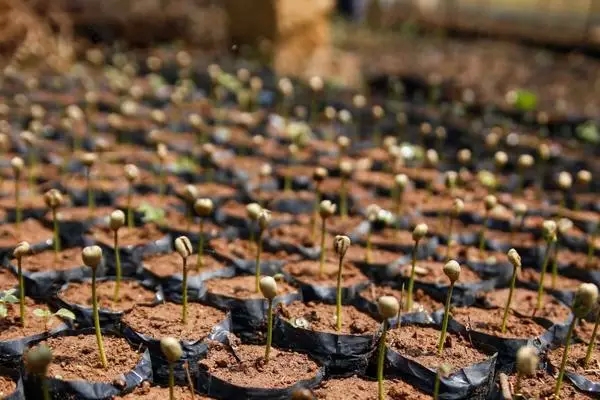
There are two primary coffee species: Arabica and Robusta. Robusta is hardier, more disease-resistant, and higher in caffeine, but Arabica boasts nearly twice the sugar content and higher lipid levels, resulting in greater acidity and complex aromas. Within Arabica, the two most cultivated varieties are Bourbon and Typica. Ethiopia alone is home to thousands of unique, uncultivated coffee varieties hidden in its forests. And a single coffee tree can live for over 200 years, starting from a delicate sprout to a mature, long-lived plant.
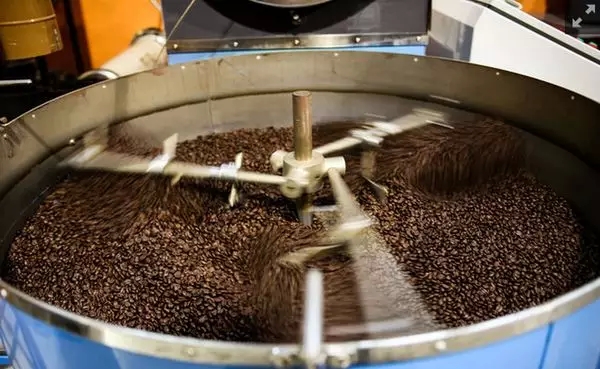
Coffee cherries start green and ripen to yellow, orange, or red depending on the variety. Each color signals ripeness, crucial for harvest timing. Roasters often buy a year’s worth of green coffee beans at once, using specialized storage to maintain freshness. These beans are typically roasted close to the time of brewing, even if they’ve been warehoused for months.
Processing, Production, and Unusual Coffee Methods
Producing coffee requires significant water—about 2,500 gallons per pound, compared to 1,800 gallons for a pound of beef, according to FoodBev.com. Coffee cherries are processed in various ways, and some methods are downright wild. Take kopi luwak, or civet coffee, where Asian palm civets eat coffee cherries, ferment them in their digestive tracts, and excrete the beans. This fermentation process is said to create unique flavors, but the limited supply makes it extremely costly. Even more unusual? Thailand’s Black Ivory Coffee, made from beans eaten and excreted by elephants.
Flavor, Consumption, and Roasting Realities
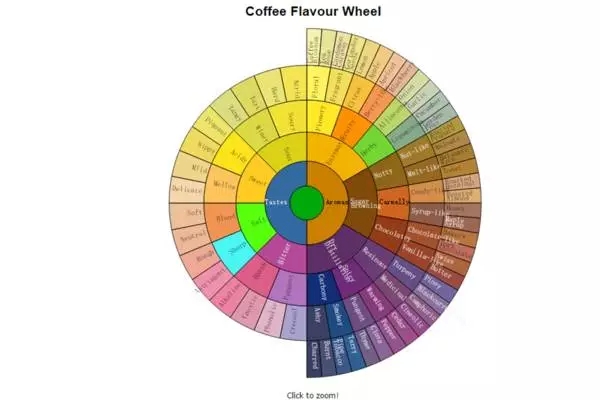
The Specialty Coffee Association of America developed a flavor wheel to help roasters identify over 1500 aromatic compounds in coffee, including positive notes like ‘apricot’ or ‘baked chocolate,’ and flaws like ‘stale’ or ‘straw.’ Coffee has more distinct flavors than wine, which has only around 200. Americans are the world’s top coffee consumers, followed by Germans. Interestingly, while high-end coffee beans can be pricey, brewing them at home makes even the best beans surprisingly affordable—even billionaires and average drinkers often enjoy the same beans.
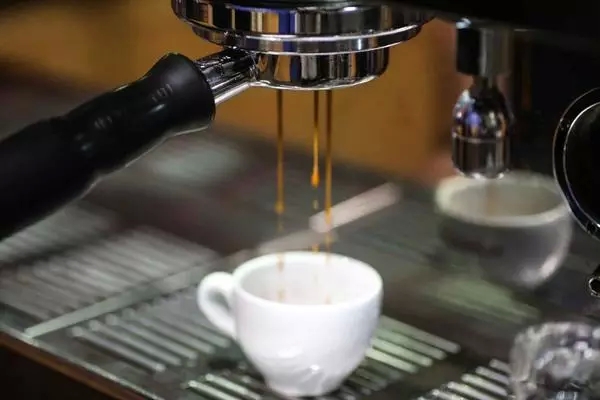
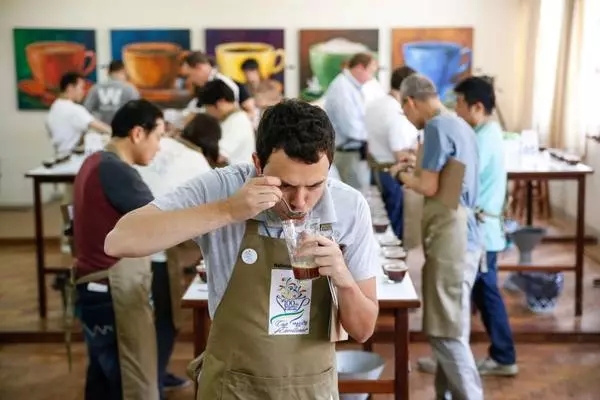
When it comes to brewing, espresso doesn’t mean ‘fast’—it derives from the Latin word for ‘pressed out.’ Despite a higher caffeine concentration per ounce, a typical 1-ounce espresso shot contains only about 2.3 times less caffeine than an 80-ounce cup of drip coffee overall. Grinding is essential: coffee beans start losing flavor within two minutes of grinding and degrade 70% within 15 minutes. For the freshest cup, grind beans at home just before brewing. Professional coffee tasters take big sips to evaluate the full range of flavors, as different parts of the mouth detect different taste notes—sweetness on the tongue, bitterness at the back of the throat.
Frequently Asked Questions
Where was coffee first discovered and how?
Coffee’s discovery is credited to an Ethiopian goatherd named Kaldi, whose goats became hyperactive after eating ripe coffee cherries. While the story is likely apocryphal, it highlights Ethiopia’s role as coffee’s birthplace. The beans’ stimulating effects were noticed early, leading to the beverage’s development.
What’s the difference between Arabica and Robusta coffee?
Arabica has higher sugar and lipid content, resulting in greater acidity and complex flavors, while Robusta is more bitter, higher in caffeine, and more resistant to disease. Arabica includes major varieties like Bourbon and Typica, and is generally considered superior for specialty coffee.
Why does espresso have less caffeine than drip coffee per cup?
Although espresso has a higher caffeine concentration per ounce, the small serving size (about 1 ounce) means a single shot contains roughly 2.3 times less total caffeine than an 80-ounce cup of drip coffee. Per volume, espresso is stronger, but not in total stimulant content.
How long do coffee beans stay fresh after grinding?
Coffee beans start losing flavor within two minutes of grinding, with up to 70% of their aroma and taste degrading within 15 minutes. For optimal freshness, grind beans just before brewing.
What unusual methods are used to process coffee beans?
Some coffees, like kopi luwak and Black Ivory Coffee, are processed through animal digestion—civets and elephants, respectively—which ferment the beans and alter their flavor. These methods are rare, labor-intensive, and result in very expensive coffee.
Recommended FrontStreet Beans for Exploring Coffee Origins
Discover the diversity of coffee with FrontStreet’s single-origin offerings: try the Ethiopian Yirgacheffe Gedeb Cooperative for bright citrus and floral notes, the Jamaica Blue Mountain No.1 Typica for balanced chocolate and nuttiness, or the Brazilian Queen Manor Yellow Bourbon for creamy peanut and caramel tones. Each showcases how origin and variety shape flavor. Freshly roasted within 5 days · Orders placed before 17:00 ship the same day · Next-day delivery across most of Guangdong Province.
FrontStreet Coffee is a long-established specialty coffee roaster in Guangzhou China, selling freshly roasted beans from its own farm in Yunnan as well as dozens of carefully selected single-origin beans from around the world for both pour-over and espresso. The products deliver consistently excellent quality and great value, with shipping within 24 hours. Guangzhou's FrontStreet Coffee shop is recommended by many coffee lovers, and the beans are now available online at the Tmall 。
Important Notice :
前街咖啡 FrontStreet Coffee has moved to new addredd:
FrontStreet Coffee Address: 315,Donghua East Road,GuangZhou
Tel:020 38364473