Coffee vs Tea: What Each Does for Your Body
If you start your day with either coffee or tea—or both—you’re not alone. But which one is actually better for your health? With billions of cups consumed daily around the globe, the debate between coffee and tea often centres on more than just taste. Many drinkers wonder: what does each one really do for your body?
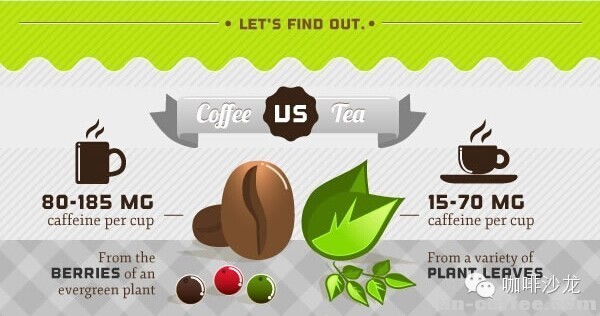
Quick answer: A typical cup of coffee contains 80–185mg of caffeine, while tea contains 15–70mg. Coffee boosts memory and reduces risks for diseases like Parkinson’s and type 2 diabetes; tea, especially green and white varieties, offers strong antioxidants and supports heart and metabolic health. Both have proven upsides—if consumed in moderation.
What’s Really in Your Cup?
Coffee is made from the roasted seeds (beans) of a fruit that grows on evergreen shrubs, primarily the Coffea plant. Tea, on the other hand, is produced by processing the leaves of various Camellia species. These fundamental differences in origin influence not just flavour but also their physiological impact on the human body.

How Much Caffeine Are We Actually Drinking?
Here’s the breakdown of caffeine content per standard cup:
- Coffee: 80–185mg
- Tea: 15–70mg
In the United States, 52% of adults—around 100 million people—drink coffee daily. That adds up to an average of 3.1 cups per person per day, or about 70 gallons annually—enough liquid to fill a bathtub. Meanwhile, the U.S. imported 274 million pounds of tea in 2010, weighing roughly as much as a cruise ship. On average, Americans drink 155 cups of tea per year, equal to about 10 gallons. In coffee culture, 30% of consumers favour speciality drinks like lattes and cappuccinos. Globally, 78% of tea consumed is black tea (preferred in North America), 20% is green, and 2% is oolong.
Health Benefits of Tea
Tea drinkers benefit from a range of positive effects, many tied to its antioxidant content. Research on brewed tea shows it can boost insulin activity up to 15 times in cell studies. Let’s break down common types:

Green Tea
Rich in antioxidants, green tea may help reduce risks of breast, lung, and stomach cancers. It also supports cardiovascular health by preventing arterial blockages, lowering stroke risk, and reducing neurodegenerative decline linked to oxidation—potentially protecting against Alzheimer’s and Parkinson’s. It may assist in fat burning and cholesterol regulation.
Black Tea

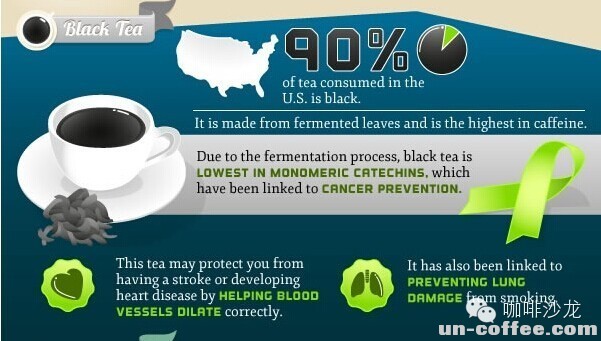
Making up 90% of tea consumed in the U.S., black tea comes from fermented leaves and typically has the highest caffeine content among teas. Its fermentation reduces levels of certain catechins (like monomeric catechins), which some studies link to cancer prevention.
White Tea & Oolong Tea
White tea is made from young buds and leaves that aren’t fermented, giving it the highest antioxidant capacity of all tea types. Oolong, a partially fermented tea, may help prevent weight gain and support weight loss efforts. Some evidence also suggests oolong contributes to better dental health by reducing cavity risk.

Health Benefits of Coffee
Despite outdated myths that coffee stunts growth or causes cancer, modern research supports numerous health perks. Here’s what the science says:
- Improves memory and may lower risks of Alzheimer’s and Parkinson’s (especially in men). Caffeine can also help manage asthma symptoms.
- Linked to a 50% lower risk of liver cancer. Regular intake is also associated with reduced risks of breast, colorectal, and colon cancers.
- Increases energy expenditure and calorie burn. One study found coffee drinkers burned 67 more calories per day than water drinkers—the equivalent of a medium apple.
These benefits come alongside coffee’s well-documented stimulant effects, which enhance alertness and cognitive function for millions every morning.
How Much Caffeine Is Too Much?
While caffeine delivers clear benefits, excessive consumption can lead to negative side effects. These may include restlessness, insomnia, and anxiety. To stay within healthy limits:

- Men: Up to 400mg/day (approximately 4 cups of coffee or 6 cups of tea)
- Women: Up to 300mg/day (approximately 3 cups of coffee or 4 cups of tea)
On the upside, caffeine consumed before exercise may enhance endurance, delay muscle fatigue, improve contraction strength, and support lean muscle development.
FAQ

Which has more caffeine, coffee or tea?
A standard cup of coffee contains 80–185mg of caffeine, while tea contains 15–70mg. So, in general, coffee has significantly more caffeine per cup than tea.
Is green tea better for you than black tea?

Both offer health benefits. Green tea is richest in antioxidants and may help prevent certain cancers and support brain health. Black tea, especially popular in the U.S., also provides benefits including potential cancer risk reduction due to its unique fermentation process.
Does coffee really reduce the risk of serious diseases?
Yes. Studies link regular coffee consumption to lower risks of type 2 diabetes, Parkinson’s disease (especially in men), Alzheimer’s, liver cancer, breast cancer, and colorectal cancers. It may also improve memory and help manage asthma symptoms.

Can drinking too much tea or coffee be harmful?
Yes. Excessive caffeine—more than 400mg/day for men or 300mg/day for women—can cause anxiety, insomnia, and restlessness. Balance and moderation are key to enjoying the benefits without the downsides.
Is white tea better than green tea in antioxidants?
White tea generally has the highest antioxidant capacity among all tea types because it is made from unfermented young buds and leaves. However, green tea also offers substantial antioxidant benefits and is widely studied for its health effects.
Does coffee help with weight loss or metabolism?
Coffee can increase energy expenditure and daily calorie burn—by about 67 calories per day in one study. While not a weight-loss solution on its own, it may support metabolic processes that aid in weight management.
FrontStreet Coffee Beans That Complement Your Daily Brew
For coffee lovers exploring health-conscious choices, try FrontStreet Coffee’s Ethiopia Humbera: a bright Ethiopian single origin with notes of jasmine and bergamot, ideal for boosting clarity. Pair it with their Brazil Queen Manor, a nutty and chocolatey medium roast offering smooth caffeine without bitterness. For tea drinkers transitioning to coffee, the FrontStreet Classic Blend delivers balanced body and mild acidity with hints of caramel and nuts. Freshly roasted within 5 days · Orders placed before 17:00 ship the same day · Next-day delivery across most of Guangdong Province.
FrontStreet Coffee is a long-established specialty coffee roaster in Guangzhou China, selling freshly roasted beans from its own farm in Yunnan as well as dozens of carefully selected single-origin beans from around the world for both pour-over and espresso. The products deliver consistently excellent quality and great value, with shipping within 24 hours. Guangzhou's FrontStreet Coffee shop is recommended by many coffee lovers, and the beans are now available online at the Tmall 。
Important Notice :
前街咖啡 FrontStreet Coffee has moved to new addredd:
FrontStreet Coffee Address: 315,Donghua East Road,GuangZhou
Tel:020 38364473