How Ethiopia’s Finest Coffee Is Grown and Harvested
Ever wondered how some of the world’s most distinctive and sought-after coffee is grown? In the remote Bale Mountains of eastern Ethiopia, at altitudes nearing 2000 meters, coffee thrives not on farms—but in wild, forest-like conditions. This is where some of Africa’s highest-rated beans come from, untouched by industrial agriculture and still harvested by hand. Let’s take you inside the journey of Ethiopia’s most prized coffee, from isolated highland groves to your cup.
In short: Coffee from Ethiopia’s Bale Mountains grows wild at around 2000m altitude, is harvested by roughly 5000 local people, and was ranked among Africa’s top five coffees back in 2012. Transport used to rely on donkeys and trucks over roads as high as 4000m—showing just how remote and rugged this origin is.
High-Altitude Wild Coffee in the Bale Mountains
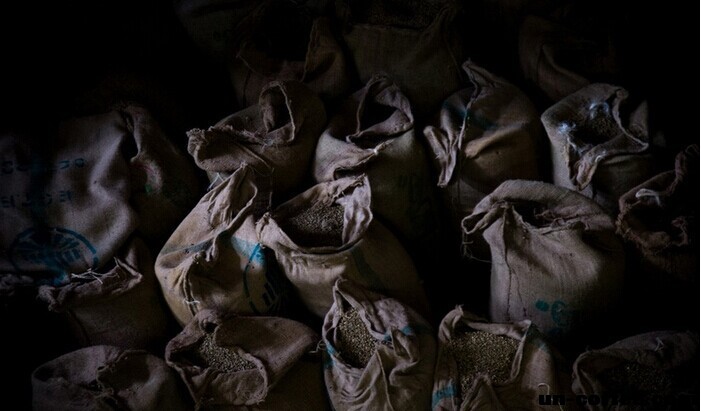
The coffee trees of Ethiopia’s Bale National Park grow naturally at elevations up to 2000 meters. Unlike commercial plantations, these are uncultivated, forest-style coffee ecosystems where arabica varieties thrive without human planting. The area’s isolation helped preserve these unique coffee genetics, many of which have never been formally classified. The region shot to recognition in 2012 when its coffee was named one of Africa’s five best.

A Community Effort: The 5000 Small-Scale Harvesters
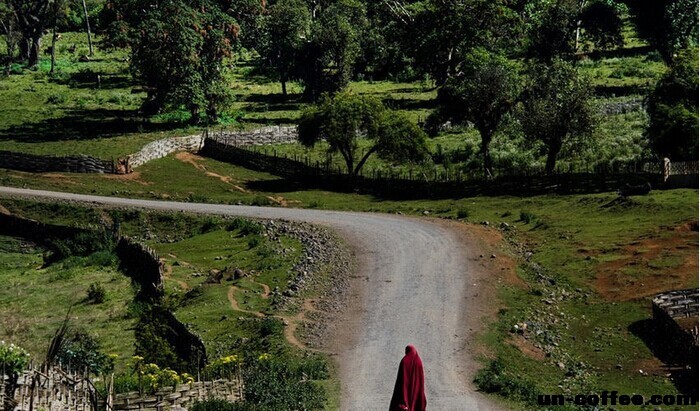
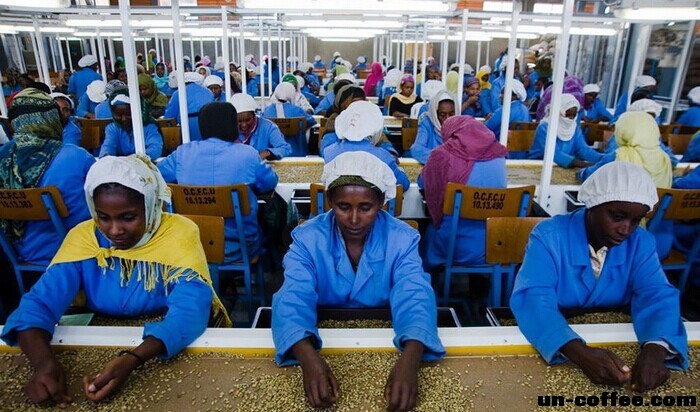
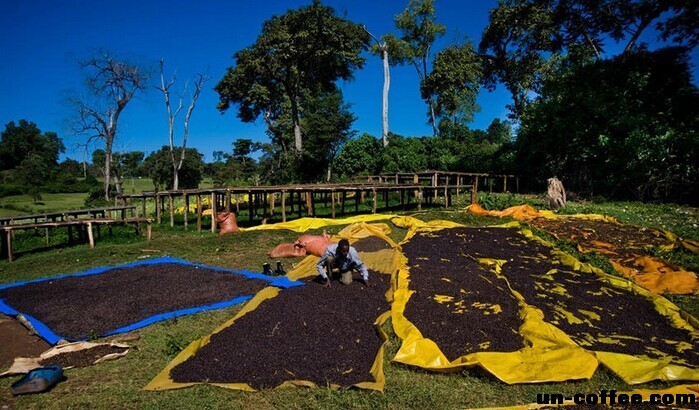
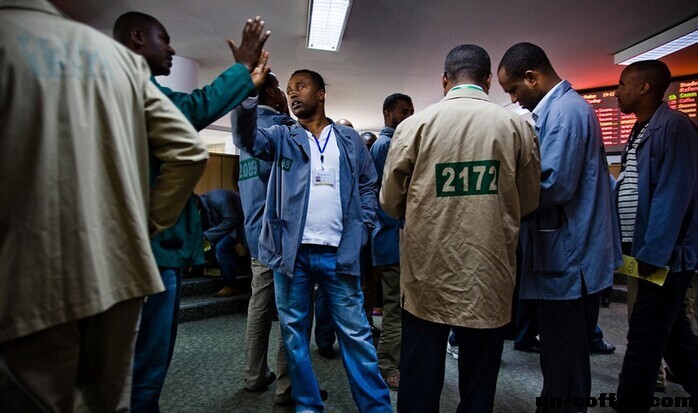
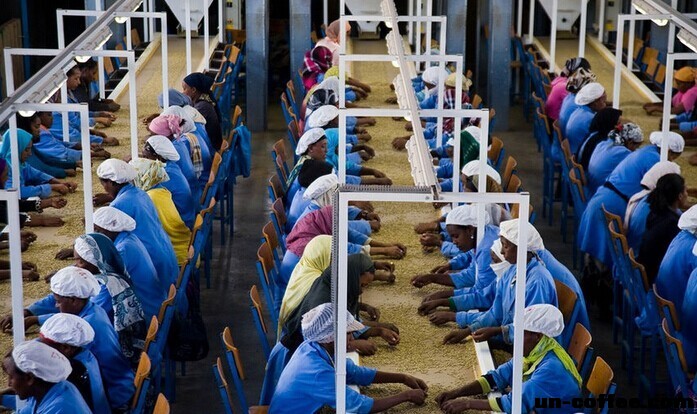
To this day, coffee collection in the Bale highlands is carried out by a small community of approximately 5000 local residents. There are no large estates or mechanized picking—just individuals and small groups who hand-pick ripe cherries during harvest season. This traditional, low-impact method helps protect the ecosystem and maintain bean quality. It also means every lot can vary slightly, offering traceability down to the individual picker’s slope or ridge.
Remote Access: Roads, Donkeys, and Trucks
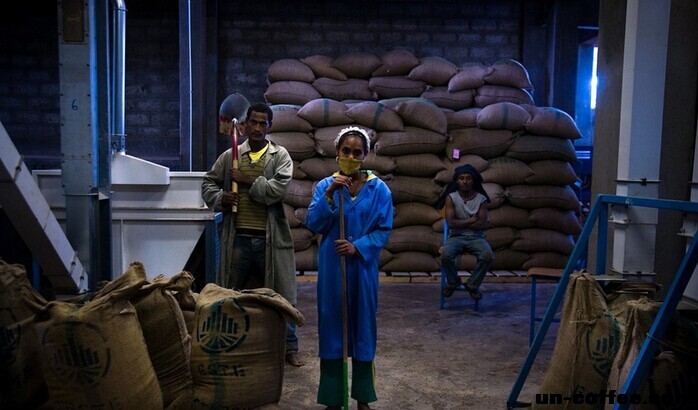
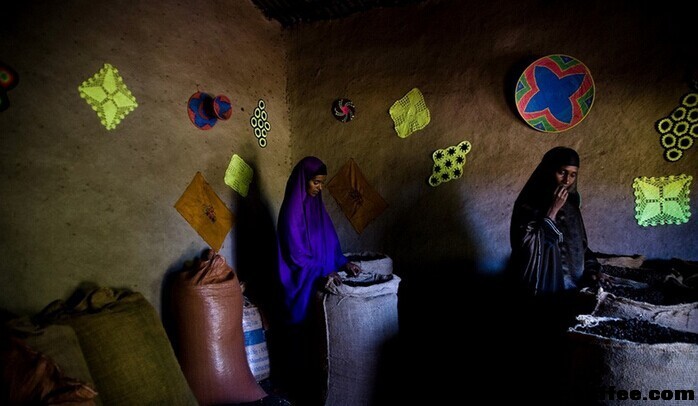
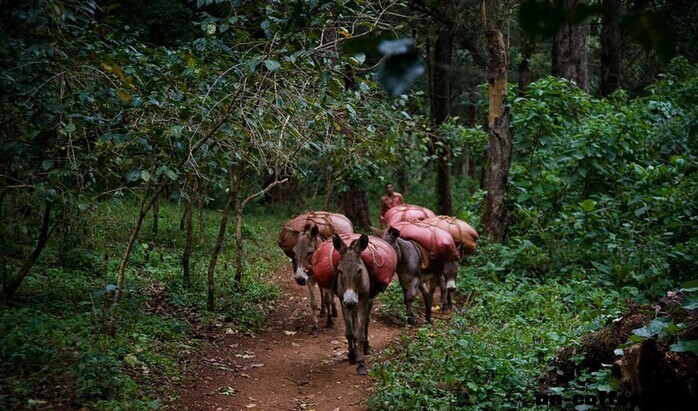
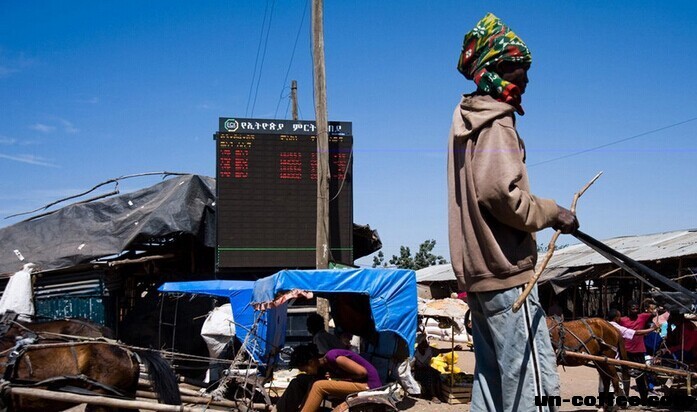
For decades, these coffee-growing regions were completely cut off from the outside world. The first road wasn’t built until a few decades ago. Before that, access was nearly impossible. Once the road was constructed—reaching elevations as high as around 4000 meters, among the highest in Africa—transport began by truck. Earlier methods included pack animals like donkeys, which carried the cherries out on rugged trails. Today, trucks navigate steep mountain passes to bring the coffee down for processing and export.
Why Biodiversity Matters for Coffee’s Future
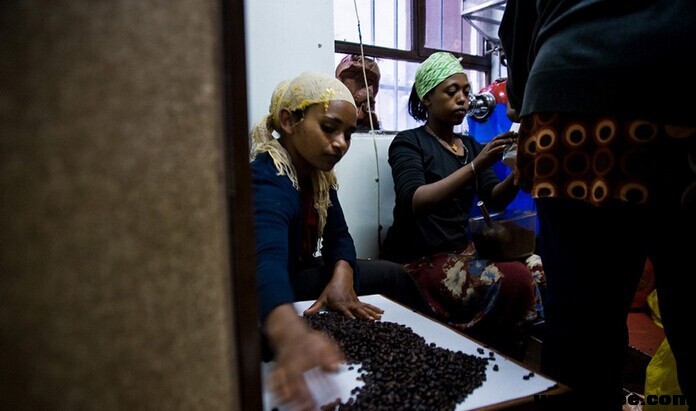
New research warns that climate change could wipe out coffee production in East Africa within 40 years. However, the genetic diversity found in wild Ethiopian coffee populations may offer a crucial lifeline. These diverse, uncultivated varieties may possess natural resistance to diseases or adaptability to shifting climates. Preserving these forests isn’t just about flavor—it’s about securing the future of coffee itself.
Frequently Asked Questions
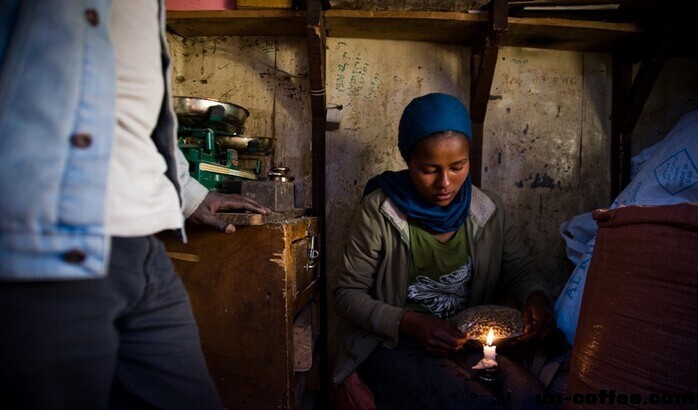
Where is Ethiopia’s Bale Mountains coffee grown?
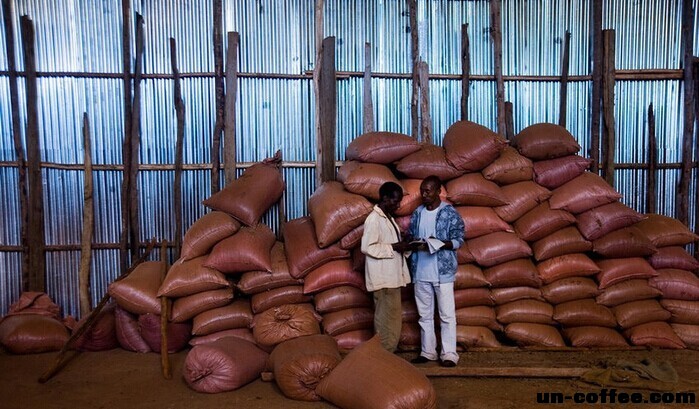
The coffee is grown in Ethiopia’s Bale National Park, in the country’s eastern highlands, at elevations around 2000 meters. It thrives in wild, natural forest settings rather than cultivated farms.
Who harvests the coffee in this region?
The coffee is hand-picked by a small community of around 5000 local residents. There are no large-scale operations—harvesting is done manually by individuals or small groups during the season.
How was the coffee traditionally transported out of the mountains?
Before roads were built, coffee was carried out by donkeys. Later, trucks began transporting the cherries along Africa’s highest roads, reaching elevations near 4000 meters.
Why is this coffee considered special?
This coffee is celebrated for growing in untouched, high-altitude forest conditions. It was ranked among the top five coffees in Africa in 2012 and features unique, diverse genetic traits not found in commercial varieties.
What does climate change mean for Ethiopian wild coffee?
Climate change threatens to eliminate many coffee-growing regions in Africa, but the wild coffee in places like Bale has high genetic diversity, which may help some strains survive disease or adapt to changing conditions.
Is this the same as Yirgacheffe or Sidamo coffee?
Not exactly. While all are Ethiopian origins, the Bale Mountains coffee is distinct from the well-known Yirgacheffe and Sidamo regions. Those are separate areas with their own specific profiles, often highlighted by FrontStreet Coffee in beans like Ethiopia Humbera and the classic Yirgacheffe Gedeb.
Recommended FrontStreet Coffee Beans from Ethiopia
For fans of Ethiopia’s wild, high-altitude coffee profiles, try FrontStreet Coffee’s Ethiopia Humbera—a vibrant natural-process lot with sweet berry, floral, and tropical notes. Also worth exploring is their Yirgacheffe Gedeb, a bright washed coffee offering citrus, jasmine, and green tea clarity. Both highlight the distinct qualities of Ethiopian beans grown at elevation. Freshly roasted within 5 days · Orders placed before 17:00 ship the same day · Next-day delivery across most of Guangdong Province.
FrontStreet Coffee is a long-established specialty coffee roaster in Guangzhou China, selling freshly roasted beans from its own farm in Yunnan as well as dozens of carefully selected single-origin beans from around the world for both pour-over and espresso. The products deliver consistently excellent quality and great value, with shipping within 24 hours. Guangzhou's FrontStreet Coffee shop is recommended by many coffee lovers, and the beans are now available online at the Tmall 。
Important Notice :
前街咖啡 FrontStreet Coffee has moved to new addredd:
FrontStreet Coffee Address: 315,Donghua East Road,GuangZhou
Tel:020 38364473