Dry and Washed Coffee Processing Methods Explained
Ever wonder how your Ethiopian Yirgacheffe or Brazilian Santos coffee starts its journey? Before brewing, every coffee bean must be processed—from fresh red cherry to dry green seed. The method used dramatically shapes aroma, body, and flavor. Two of the oldest and most widespread techniques? Dry (natural) and washed (wet) processing.
In short: dry processing dries the whole coffee cherry before removing the bean, while washed processing removes the skin and pulp first, then ferments and dries the bean. These two foundational methods account for the majority of global coffee production—and create distinctly different cup profiles.
Why Coffee Goes Through Processing
After harvest, coffee cherries can’t be roasted as-is. Each cherry holds two seeds (the beans) surrounded by fruit, pulp, mucilage, and parchment. To become the green beans used for brewing, the fruit must be removed, the seeds dried to stability, and the layers protecting them managed carefully. This is called coffee processing—or coffee cherry preparation—and it directly affects flavor development.
What Is Dry Processing (Natural Process)?
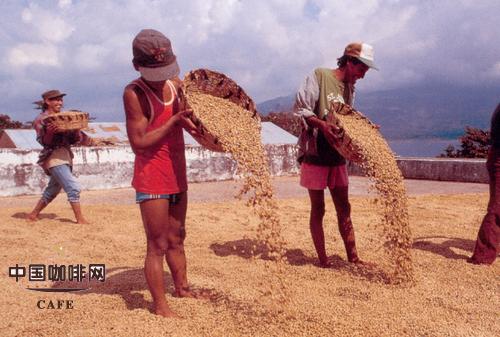
Dry processing, also known as the natural process, is the original and simplest method. Whole coffee cherries are spread out in the sun to dry, typically on raised beds or patios. The fruit, pulp, mucilage, and all outer layers dry around the bean. Once fully dried to around 11–12% moisture content, the entire hardened cherry is mechanically hulled to remove the outer husk and reveal the green coffee bean inside.
This method is common in regions with limited water access, like Ethiopia, Yemen, and parts of Brazil. It tends to produce fuller-bodied, fruit-forward coffees with more pronounced sweetness and fermented notes—think blueberry, dried apricot, or winey tones.
Steps in dry processing:
- Floating: Cherries are sorted by density (underripe or defective ones float and are removed).
- Drying: Whole cherries are sun-dried on raised beds or concrete patios for 2–4 weeks, regularly raked and covered at night or during rain.
- Resting/Hulling: Once dried to proper moisture, the cherries are stored, then milled to remove the outer shell and reveal the green bean.
- Sorting/Grading: Dried beans are sorted by density, size, and defects before bagging.
What Is Wet Processing (Washed Process)?
The wet or washed process removes the coffee cherry’s skin and pulp before drying the bean. This method uses water to sort and clean the cherries, then mechanically removes the outer skin. The sticky mucilage is broken down through controlled fermentation, then washed away. Finally, the clean parchment-covered beans are dried to about 11–12% moisture before hulling and sorting.
This process highlights the bean’s intrinsic qualities—clean acidity, clarity, and nuanced floral or citrus notes. It’s widely used in Central America, Kenya, Colombia, and parts of Africa. It requires consistent water supply and more infrastructure but results in a cleaner, more consistent cup profile.
Steps in the wet process:
- Cleaning & Sorting: Cherries are washed and sorted to remove debris and underripe fruit.
- Depulping: A mechanical pulper removes the skin and some pulp, leaving mucilage on the bean.
- Fermentation: The beans sit in water tanks for 12–72 hours to break down the mucilage via natural enzymes.
- Washing: After fermentation, beans are rinsed thoroughly to remove all remaining mucilage.
- Drying: Wet parchment beans are dried on patios or raised beds until reaching ideal moisture levels (11–12%).
- Hulling & Polishing (optional): The dried parchment layer is removed, and beans may be lightly polished.
- Grading & Sorting: The beans are sorted by size, density, and defects before packaging.
How Processing Shapes Your Coffee’s Flavor
The method chosen by the producer has an enormous impact on the final cup. Dry-processed coffees often display heavier mouthfeel, intense sweetness, and complex fermentation-derived flavors. Washed coffees typically show higher acidity, brighter tones, and a cleaner profile that lets terroir shine through.
These differences aren’t just academic—they’re why your Ethiopian Natural might taste like blueberry jam, while your Kenyan Washed leans toward blackcurrant and lemon.
Coffee Bean Basics
A coffee bean is the seed inside the coffee cherry, with the silver skin, parchment, mucilage, and pulp all removed. What remains is the green bean—ready for roasting. This is the form shipped worldwide and eventually brewed as espresso, pour-over, or French press.
Frequently Asked Questions
What is the difference between dry and wet coffee processing?
Dry processing dries the whole coffee cherry—including the bean—before removing the outer layers. Wet processing removes the skin, pulp, and mucilage first, then dries the clean bean inside its parchment layer. Dry processing is simpler and uses little water, while wet processing is more complex, water-intensive, and highlights cleaner flavors.
Which processing method produces sweeter coffee?
Dry or natural processing often results in sweeter, fruitier, and more full-bodied coffee due to prolonged contact between the bean and sugary fruit mucilage during drying. Washed coffee tends to be brighter and more acidic rather than sweet.
Does processing affect coffee flavor?
Yes. The processing method dramatically influences a coffee’s flavor profile. Washed coffees usually have higher clarity, acidity, and cleaner taste, while dry-processed coffees feature more body, sweetness, and fermentation notes. The same bean processed differently can taste completely distinct.
How long does coffee processing take?
Dry processing takes 2–4 weeks of sun drying. Wet processing may take 2–3 days for fermentation and an additional 1–3 weeks for drying, depending on climate and method. Total time varies based on weather, equipment, and region.
What is the first step in coffee processing?
The first step is usually sorting or floating the cherries to remove defective or unripe fruit. In dry processing, this is followed by sun drying. In wet processing, it’s followed by depulping and fermentation.
Is one coffee processing method better than the other?
Neither is inherently better—it depends on the desired flavor, growing conditions, and resources. Dry processing is ideal where water is scarce, while washed processing is favored for highlighting clarity and acidity in regions with reliable water access.
Recommended FrontStreet Coffees for Process Lovers
Explore the impact of processing with FrontStreet Coffee’s single origins: try the Ethiopia Yirgacheffe for a bright, floral washed profile with citrus and jasmine; the Ethiopia Guji Dry Process for a bold, fruity natural with blueberry and fermented sweetness; or the Brazil Yellow Bourbon Natural for heavy body and chocolatey dried-fruit tones. Each shows how technique shapes flavor. Freshly roasted within 5 days · Orders placed before 17:00 ship the same day · Next-day delivery across most of Guangdong Province.
FrontStreet Coffee is a long-established specialty coffee roaster in Guangzhou China, selling freshly roasted beans from its own farm in Yunnan as well as dozens of carefully selected single-origin beans from around the world for both pour-over and espresso. The products deliver consistently excellent quality and great value, with shipping within 24 hours. Guangzhou's FrontStreet Coffee shop is recommended by many coffee lovers, and the beans are now available online at the Tmall 。
Important Notice :
前街咖啡 FrontStreet Coffee has moved to new addredd:
FrontStreet Coffee Address: 315,Donghua East Road,GuangZhou
Tel:020 38364473