Coffee Latte Art Techniques: The Direct Pour Method
If you’ve ever watched a barista pour a perfect heart or leaf into a latte and wondered how they did it, you’re not alone. The most sought-after latte art — those elegant shapes floating on espresso — is made using a challenging technique called direct pouring. But what exactly is it, why is it so hard, and how do pros make it look effortless?
The direct pour method — also known as the 'free pour' or 'injection method' — is the most technically demanding and widely admired style of latte art. It involves pouring steamed milk, still fully mixed with microfoam, directly into espresso and using wrist motion to create designs like hearts and leaves as the drink layers. This is considered the hardest form of latte art to master.
What Is the Direct Pour Method?
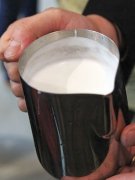
The direct pour latte art technique starts with properly textured milk — steamed to produce a smooth blend of liquid milk and microfoam, with no separation. Before the milk and foam begin to split, the barista pours it directly into a shot of espresso. As the milk enters, it integrates with the espresso until the cup reaches a certain fill level and saturation. Then, through controlled side-to-side or circular wrist movements, the barista manipulates the flow to create movement on the surface. This motion uses the principles of fluid dynamics — essentially, ripple effects — to bring the lighter microfoam to the surface in specific patterns.
The key phase comes after the milk and espresso have partially combined: once enough liquid has been added to create a base, the barista tilts the cup and uses fluid hand movements to shape the foam into designs. Common beginner-friendly shapes include the heart and the leaf, often combined into a layered motif. These are formed entirely through pouring technique, without any tools or post-pour drawing.
Why Is Direct Pour So Hard to Master?
The difficulty lies in the very short window you have to create the design — just a few seconds as you pour and shape. The barista must maintain a smooth, rhythmic pour while simultaneously controlling the movement of the cup and directing the milk stream with precise wrist motions. Any hesitation or lack of control disrupts the pattern. Most people find it difficult to achieve the coordination needed in a short time and either quit or stop after learning just the basic shapes.
To become proficient, consistent and deliberate practice is essential. Professional baristas spend hundreds of hours refining their pours, learning to sense the right milk flow, tilt angles, and timing. Without steady practice, even understanding the physics behind the movement can be elusive.
How the Direct Pour Creates Different Patterns
Patterns formed via the direct pour method fall into two main categories:
- Linear Combinations: such as hearts paired with leaves — the most common starting point for learners.
- Fluid Motifs: more dynamic, freeform designs that mimic natural shapes using flowing lines.
These designs emerge through controlled pouring movements over the combined espresso and milk. As the pitcher is tilted and shifted, the milk’s flow creates motion on the crema surface, lifting microfoam into visible patterns. Skilled baristas can manipulate these effects to produce symmetrical and aesthetically pleasing results.
Other Latte Art Methods
Etching (Hand-Drawn) Method
The etching or hand-drawn method is simpler than direct pouring. Once the espresso and milk are fully combined — usually creating a tan canvas with subtle dots or irregularities — the barista uses tools like toothpicks or skewers to draw patterns. There are two common approaches:
- Geometric designs: created by outlining shapes with cocoa powder or coloured toppings, then tracing with a toothpick.
- Detailed figures: such as animals, faces, or trees. To achieve these, baristas often dust the surface with cocoa powder, pour milk to create slight surface ripples, then sketch details using pointed tools.
This method allows for creativity and customisation but requires less technical pouring skill. It’s often favoured by beginners or those who prefer controlled artistic expression over fluid pouring techniques.
Stencil (Mould) Method
The mould or stencil method is the easiest of all. It involves two main approaches:
- In the first, milk is steamed and left to sit for around 30 seconds to allow slight separation. The barista pours a base layer of espresso and milk, holding back the foam with a spoon. They then spoon foam on top to create a smooth surface. Finally, a stencil or patterned mesh is held just above the cup while cocoa or cinnamon powder is dusted through to reveal a design.
- In the second, milk and foam are poured directly without delay, avoiding a frothy top layer. A stencil is then used similarly to apply a design with powder.
This technique is accessible to anyone and doesn’t rely on pouring skill. Many baristas craft their own stencils or buy pre-made ones for consistent results.
Challenges and Trends in Latte Art
Globally, latte art has reached a high level of refinement — but also a plateau. Most direct pour art still revolves around variations of the heart and leaf, partly due to lack of advanced training, poor control, or misunderstanding of fluid dynamics. As a result, many baristas default to easier methods like etching or moulds.
In Western countries, hand-drawn art often features bright, colourful geometric shapes thanks to the use of multiple edible colourants. In Japan, artists specialise in cute, detailed figures of animals and people, turning cups into tiny canvases. In China, the direct pour method remains the most widely practised foundation.
Practical Notes on Milk and Espresso for Latte Art
To pour latte art successfully, especially using the direct method, your foundational drink must be well-prepared. Here are the technical parameters:
- Espresso: 20g coffee grounds → 40ml extraction in ~25–30 seconds. Crema should be thick (around 3mm), glossy, and stable.
- Milk: Steamed to 55–60°C, textured to a velvety microfoam (about 60–70% liquid, 30–40% foam). The ideal pour begins with the pitcher spout just above the cup and moves downward as the cup fills.
- Integration (‘’): Called ‘integration’ in Chinese cafe slang, this refers to properly mixing espresso and milk so there’s no separation — the crema and foam should create a uniform ‘golden ring’ or halo effect on the surface, with no big bubbles.
Without proper espresso — rich crema, balanced extraction — and well-textured milk, even the best pour won’t hold a clean design.
Frequently Asked Questions
What is the direct pour latte art method?
The direct pour method involves pouring steamed milk — still mixed with microfoam — directly into espresso and using wrist movements to create designs like hearts and leaves. It relies on fluid motion and occurs while the milk and espresso are integrating, requiring control over pour speed, angle, and movement.
Why is the direct pour method considered the hardest latte art technique?
It’s difficult because it requires precise, rhythmic hand movements during a very short window while milk is being poured. The barista must manage tilt, flow, and timing all at once to shape microfoam into designs — usually within 10–15 seconds. Most people struggle to develop the coordination needed.
What kinds of patterns can you make with the direct pour technique?
The most common patterns are combinations of hearts and leaves, along with flowing, plant- or animal-like motifs. These are formed by controlling the milk’s direction and speed as it’s poured into the espresso, creating visible movement in the foam layer.
Are there easier alternatives to the direct pour method?
Yes. The hand-drawn (etching) method involves using tools like toothpicks to sketch designs on top of already poured espresso and milk. The stencil (mould) method uses powder dusted through a pattern to create shapes without any pouring skill required.
What’s the ideal espresso and milk setup for latte art?
For best results, pull a shot with 20g coffee to 40ml espresso in 25–30 seconds, yielding 3mm of glossy crema. Steam milk to 55–60°C with a smooth, glossy microfoam. The milk should be integrated smoothly with the espresso to form a uniform base before pouring art.
Do you need special tools for direct pour latte art?
No special tools are required — just a skilled hand and a good milk pitcher. However, some baristas use angled spouts or practice pitchers to improve control. All shaping is done through pouring technique, not tools.
Recommended FrontStreet Beans for Latte Art
For latte art, FrontStreet Coffee’s Commercial Blend offers a well-balanced profile with strong crema and smooth texture, ideal for pouring hearts and leaves. Their Strawberry Candy Espresso features a sweeter profile with rose, grape, and blueberry notes, plus medium-bodied foam stability. Both blends use Latin American beans including Brazilian and Colombian origins, ensuring a creamy mouthfeel and lasting crema — key for successful latte art. Freshly roasted within 5 days · Orders placed before 17:00 ship the same day · Next-day delivery across most of Guangdong Province.
FrontStreet Coffee is a long-established specialty coffee roaster in Guangzhou China, selling freshly roasted beans from its own farm in Yunnan as well as dozens of carefully selected single-origin beans from around the world for both pour-over and espresso. The products deliver consistently excellent quality and great value, with shipping within 24 hours. Guangzhou's FrontStreet Coffee shop is recommended by many coffee lovers, and the beans are now available online at the Tmall 。
Important Notice :
前街咖啡 FrontStreet Coffee has moved to new addredd:
FrontStreet Coffee Address: 315,Donghua East Road,GuangZhou
Tel:020 38364473