What’s Inside Green Coffee Beans? The Full Breakdown
Ever wondered what’s really inside those green coffee beans sitting in your roaster’s hopper? Beyond the potential for amazing espresso or pour-over, each bean is a complex matrix of water, fiber, sugars, acids, and aromatic compounds. Knowing what these components are—and how much of each exists—helps explain why one coffee tastes bright and sweet, while another is earthy or bitter. Especially when comparing Arabica to Robusta, these numbers change everything.
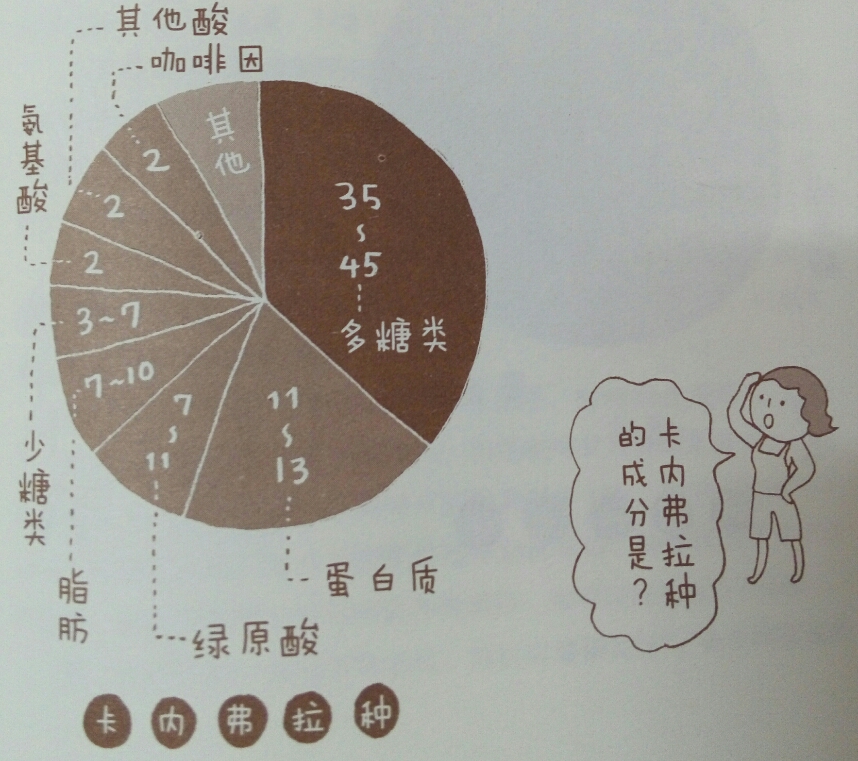
In short, green coffee beans are made up of water (9–13%), fiber-rich polysaccharides (35–45%), proteins (12%), lipids (10% in Arabica, up to 20%), sugars (3–10%), chlorogenic acids (5–11%), other organic acids (2%), and caffeine (0.9–3%). These ratios differ drastically between Arabica and Robusta, directly shaping flavor.
Water Content in Green Coffee Beans
Green coffee beans typically contain between 9% and 13% water by weight. While this moisture plays a role in storage stability and roasting consistency, it contributes almost nothing to the aroma or flavor profile of the final brewed cup. The water content is measured before drying calculations for other components, but it's not a driver of taste itself.
The Dry Matter: What Really Defines Coffee Flavor
When analyzing coffee bean composition, experts focus on the dry matter—what remains after removing inherent moisture. All percentages below refer to the bean in its dry state, providing a clearer picture of how each component contributes to flavor, body, and aroma during roasting and brewing.
Polysaccharides: The Structural Backbone
By far the most abundant component in green coffee beans—making up 35% to 45% of their dry weight—are polysaccharides, a type of complex carbohydrate. Despite the name, these are not sugars and contribute no sweetness. Instead, they form the structural “skeleton” of the bean, akin to cellulose in plants. Importantly, the polysaccharide content varies significantly between Arabica and Robusta species, influencing texture and mouthfeel post-roast.
Proteins: Building Blocks of Roast Reactions
Proteins account for around 12% of the dry weight of green coffee beans. Like polysaccharides, proteins are crucial structural elements. During roasting, proteins interact with sugars in the Maillard reaction, producing many of the complex aromas and browned flavors we associate with roasted coffee. The protein content also differs between Arabica and Robusta, affecting roast profiles and flavor development.
Coffee Bean Fats and Oils
Coffee beans contain natural fats, primarily in the form of lipids such as linoleic acid and palmitic acid. These fats make up roughly 20% of the dry weight in Arabica beans but only up to 10% in Robusta. This difference in lipid content contributes to variations in body, crema formation (in espresso), and overall mouthfeel between the two species.
Sugars in Green Coffee: Mostly Sucrose
The natural sugar content in green coffee is dominated by sucrose. Arabica beans contain about 10% sucrose by dry weight, while Robusta beans hold just 3% to 7%. These sugars are critical during roasting, as they caramelize and fuel the Maillard reaction. The higher sucrose in Arabica often translates to a sweeter cup profile compared to the more bitter Robusta.
Chlorogenic Acids: Bitterness and Acidity Precursors
Chlorogenic acids (CGAs) are a major group of acids in green coffee, representing between 5% and 8% of Arabica’s dry weight and 7% to 11% of Robusta’s. They are key contributors to perceived bitterness and acidity, and they degrade during roasting. Some types of chlorogenic acids are unique to Robusta, further distinguishing its chemical and flavor profile.
Other Organic Acids in Green Coffee
Beyond chlorogenic acids, green coffee contains smaller amounts of other acids—including citric, malic, quinic, and phosphoric acids—collectively making up around 2% of the dry weight. These acids add brightness and complexity to the flavor but are present in much lower concentrations than CGAs.
Caffeine: The Stimulant Compound
Caffeine content ranges from 0.9% to 1.4% in Arabica beans, and can reach up to 2% or slightly more. In Robusta, caffeine levels are higher, usually around 2%, and can exceed 3%. This bitter compound not only contributes to perceived sharpness but also acts as a natural pest deterrent in the plant. The higher caffeine in Robusta is one reason for its harsher, more bitter taste.
Frequently Asked Questions
What makes up the majority of green coffee beans by weight?
By dry weight, polysaccharides (fibrous carbohydrates) make up the largest portion of green coffee beans, ranging from 35% to 45%. Water accounts for 9–13% of fresh beans, but it’s removed in dry matter calculations. Lipids, proteins, sucrose, chlorogenic acids, other acids, and caffeine make up the rest in varying proportions.
Why do Arabica and Robusta beans have different compositions?
Arabica and Robusta beans differ genetically, leading to notable differences in their chemical makeup. Arabica generally has more sucrose (around 10%) and lipids (up to 20%), contributing to a sweeter, smoother cup. Robusta has higher chlorogenic acids (7–11%), more caffeine (2–3%), and tougher polysaccharides, resulting in a harsher, more bitter flavor.
Do moisture levels affect coffee flavor?
Moisture (9–13%) impacts bean density, shelf life, and roast behavior, but it doesn’t directly influence brewed coffee’s aroma or taste. However, improper moisture levels can lead to uneven roasting, which does affect flavor development.
What role does caffeine play in green coffee’s taste?
Caffeine is bitter and contributes to the sharp, stimulating qualities of coffee. Arabica has less caffeine (0.9–1.4%) than Robusta (2–3%), which helps explain why Robusta often tastes more bitter and less sweet, even before roasting.
Are sugars in green coffee responsible for sweetness in the final cup?
Yes, the sucrose in green coffee (3–10%, higher in Arabica) caramelizes during roasting and contributes to the cup’s sweetness. This is why Arabica, with its higher sucrose content, often produces a sweeter-tasting brew compared to Robusta.
How do chlorogenic acids affect flavor?
Chlorogenic acids contribute to the acidity and bitterness in coffee. They break down during roasting, which is why lighter roasts tend to taste brighter and more acidic, while darker roasts are smoother but can lose complexity. Robusta has more chlorogenic acids, adding to its typically sharper profile.
Recommended FrontStreet Beans for Composition Study
Explore green coffee fundamentals with FrontStreet Coffee’s Ethiopia Yirgacheffe, a high-scoring Arabica known for its bright acidity and 10%+ sucrose content, offering a sweet, floral cup. For contrast, try their Brazil Yellow Bourbon, a balanced bean with moderate CGA levels and smooth lipids ideal for exploring roast impact. Finally, sample their Vietnam Robusta, showcasing higher caffeine (2–3%) and bold chlorogenic acids for a bitter, intense profile. Freshly roasted within 5 days · Orders placed before 17:00 ship the same day · Next-day delivery across most of Guangdong Province.
FrontStreet Coffee is a long-established specialty coffee roaster in Guangzhou China, selling freshly roasted beans from its own farm in Yunnan as well as dozens of carefully selected single-origin beans from around the world for both pour-over and espresso. The products deliver consistently excellent quality and great value, with shipping within 24 hours. Guangzhou's FrontStreet Coffee shop is recommended by many coffee lovers, and the beans are now available online at the Tmall 。
Important Notice :
前街咖啡 FrontStreet Coffee has moved to new addredd:
FrontStreet Coffee Address: 315,Donghua East Road,GuangZhou
Tel:020 38364473