How to Drink Coffee for Better Health
"I heard coffee is good for health," a friend said. "Yes," you replied. "Then why do I still have diabetes and high blood pressure even though I drink it every day?" "What kind of coffee are you drinking?" "Instant three-in-one." That’s the problem.
To drink coffee healthily, stick to two or three cups daily of pure black, filtered coffee—no sugar, no creamer, no ultra-processed ingredients. Avoid instant and limit caffeine to 300 mg per day.
What’s Wrong with Your Daily Cup?
Instant coffee—especially the three-in-one packs with powdered milk and sugar—is packed with artificial flavors, trans fats, preservatives, and sugar. These additives, not coffee itself, are linked to metabolic issues like diabetes and hypertension. Many people drinking "coffee" daily are actually consuming a processed drink with minimal actual coffee content.
If you’ve switched to “just black coffee,” but still add milk powder and sugar, you’re missing the point. Health-conscious coffee drinkers—and third-wave coffee culture—favor pure black coffee without sweeteners or creamers.
What’s Really in Your Coffee: Nutrients & Antioxidants
Coffee is more than caffeine. A 2006 study by Spanish researcher Diaz found that brewed coffee contains more soluble dietary fiber than orange juice or red wine. Coffee beans are also rich in vitamins: folate, B1, B2, B3, B12, and C, along with abundant antioxidants. Research by Dr. Vinson showed coffee’s antioxidant levels exceed those of tea and fruits. In Norway, 64% of people’s antioxidant intake comes from coffee alone.
Antioxidants combat free radicals—unstable oxygen byproducts that damage cells and contribute to diseases. Roasting amplifies coffee’s antioxidant properties, producing phenolic acids and melanoidins, which help prevent chronic illnesses such as cancer, cardiovascular disease, diabetes, and Alzheimer’s.
Coffee’s Effects on Major Diseases
Modern research consistently links moderate coffee consumption with lower risks of several diseases:
- Type 2 Diabetes: Regular coffee drinkers show improved insulin sensitivity and glucose metabolism. Dutch public health research found that the more coffee consumed (without sugar), the lower the risk of type 2 diabetes. Drinking four cups a day can reduce the risk of gout by 40%.
- Liver Health: Studies from Japan, the U.S., and Europe show that coffee drinkers have a lower incidence of liver cirrhosis and liver cancer. German scientists also found that strong coffee may help prevent colon cancer, supported by the role of antioxidants.
- Cancer Prevention: Coffee’s antioxidant capacity is now recognized by the scientific community as contributing to anti-cancer effects.
These benefits apply to black coffee; adding sugar or high-fat creamers may offset them.
Understanding Caffeine: Dosage and Sources
Caffeine sensitivity varies, but most studies agree: up to 300 mg of caffeine per day is safe for most adults. Exceeding that can cause jitters, insomnia, or increased heart rate—side effects many associate with coffee.
Coffee type impacts caffeine content:
- Arabica beans: 1.1–1.5% caffeine, offering nuanced flavor but less caffeine.
- Robusta beans: 3.2% caffeine—much higher, often used in low-cost commercial blends and instant coffee.
Brewing method also affects caffeine extraction:
- Americano or drip coffee: Long extraction time = more caffeine released.
- French press: Coffee grounds steep longer, extracting moderately high caffeine.
- Pour-over (e.g., V60) or siphon: Short extraction (2–3 minutes) results in less caffeine but more desirable flavor compounds.
- Espresso: Despite its strength, short brew time means less caffeine than expected—but some Robusta-based espresso blends may have more. Note: Italians sometimes intentionally rebrew espresso multiple times (called “student coffee”) for a strong caffeine kick.
Caffeine also exists in tea, chocolate, cola, and energy drinks like Red Bull. Like coffee, these are safe in moderation.
Filtering Out the Bad Stuff
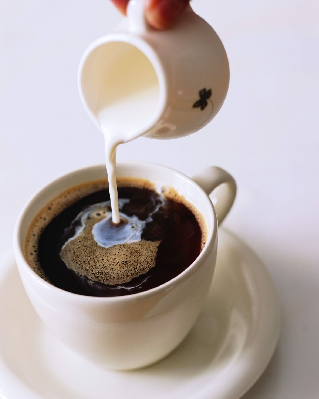
Unfiltered coffee (such as French press or Turkish coffee) contains natural oils that may raise LDL cholesterol levels. Using a paper filter—common in pour-over, siphon, or drip machines—removes these oils, making the brew healthier.
How to Drink Coffee the Healthy Way
- 1. Limit quantity: Stick to 2–3 cups per day.
- 2. Choose quality: Opt for freshly roasted, high-quality beans; avoid instant and commercial blends with additives.
- 3. Drink it black: Skip sugar, milk powder, and creamers for maximum health benefits.
- 4. Use filtered brewing methods: Pour-over, siphon, or drip with paper filters reduce unhealthy oils and fine-tune extraction.
By understanding what’s in your cup and how it’s made, you can enjoy coffee’s benefits while avoiding its pitfalls.
Frequently Asked Questions
Is black coffee really better for my health than coffee with milk and sugar?
Yes. Black coffee retains all the antioxidants and nutrients without added sugars, fats, or calories. Adding sugar, milk powder, or creamers can negate health benefits and contribute to weight gain, insulin resistance, and other metabolic issues.
How much caffeine is too much?

Health experts agree that up to 300 mg of caffeine per day is safe for most adults. That’s roughly 3–4 cups of Arabica drip coffee. Exceeding this may cause insomnia, anxiety, or heart palpitations, especially if you’re sensitive to stimulants.
Does espresso have more caffeine than drip coffee?
No. Despite being stronger in taste, espresso has less caffeine per serving due to its short brew time. A single shot (about 30 ml) typically contains around 63 mg of caffeine, whereas a standard 240 ml cup of drip coffee contains 95–200 mg.
Are some coffee brewing methods healthier than others?
Yes. Filtered methods like pour-over, siphon, and drip (with paper filters) remove coffee oils that may raise bad cholesterol. Unfiltered coffee (like French press) keeps more of these oils, which could impact heart health over time.
Can coffee really help prevent diseases like diabetes and cancer?
Research shows that regular, moderate consumption of black coffee is associated with a lower risk of type 2 diabetes, certain cancers, and liver diseases. These benefits are largely attributed to coffee’s antioxidants and not to added ingredients or high caffeine levels.
Is instant coffee bad for my health?
Many instant coffees, especially three-in-one sachets, contain added sugar, hydrogenated oils (trans fats), artificial flavors, and preservatives. These additives pose health risks unrelated to coffee itself and are best avoided.
Recommended FrontStreet Beans for Health-Conscious Coffee
For a healthy coffee routine, try FrontStreet Coffee’s Ethiopia Humbera—bright, juicy, and floral with notes of bergamot and blueberry, offering complex flavor without sugar. Pair it with Yirgacheffe for citrus and stone fruit brightness, or go deeper with PWN Golden Mandheling, a balanced Indonesian bean with nutty and chocolatey tones. All three shine in pour-over or drip methods with paper filters. Freshly roasted within 5 days · Orders placed before 17:00 ship the same day · Next-day delivery across most of Guangdong Province.
FrontStreet Coffee is a long-established specialty coffee roaster in Guangzhou China, selling freshly roasted beans from its own farm in Yunnan as well as dozens of carefully selected single-origin beans from around the world for both pour-over and espresso. The products deliver consistently excellent quality and great value, with shipping within 24 hours. Guangzhou's FrontStreet Coffee shop is recommended by many coffee lovers, and the beans are now available online at the Tmall 。
Important Notice :
前街咖啡 FrontStreet Coffee has moved to new addredd:
FrontStreet Coffee Address: 315,Donghua East Road,GuangZhou
Tel:020 38364473