How to Prepare Coffee Competition Gear: A Step-by-Step Guide
Competing in a coffee competition may look like a stage show, but behind the scenes, it’s all about preparation—especially the gear. Many competitors, especially newcomers, assume they need just the basics. In reality, the list grows fast once you factor in functionality, redundancy, and style. Whether you're prepping for preliminaries or finals, organizing your equipment early is essential. One barista’s approach? Create a detailed, zone-based gear checklist to stay ahead of surprises.
The short answer? Focus on your grinder and cup choices first. You’ll likely need at least two grinders and eight cups. Why eight? Six go on stage—but having two spares prevents last-minute issues. Organize everything by competition zones: bar, brewing area, judges’ table, and backstage prep space. This method keeps your checklist logical and your workflow smooth.
Organizing Gear by Zone
To make prep manageable, break your equipment list into four functional zones:
- Bar Area : What the audience and judges see—includes tools for presentation and service.
- Brewing Area : Your workspace for brewing—where extraction happens.
- Judges’ Table : Where your drinks are tasted—focus on glassware and serving details.
- Backstage Prep : Everything you need before you hit the stage—tools for prepping milk, cleaning, and staging drinks.
This zone-based method adds logic and structure to your packing and practice, making sure nothing is forgotten when it matters most.
Why Your Grinder Choice Matters More Than You Think
Your grinder is one of the most critical—and complex—pieces of competition gear. Key variables include:
- Flat vs. Conical Burrs : Flat burrs tend to produce brighter, more intense aromatics and flavors. Conical burrs can yield a softer profile, though flavor direction varies by bean and roast.
- Quantitative vs. Non-Quantitative : Quantitative (really time-based) grinders claim consistent output, but in reality, even the same coffee can vary by ±1.0g or more due to bean density, roast level, and burr type. Conical grinders typically show greater variability than flat ones. If you choose a time-based (so-called “quantitative”) grinder, you must actively manage and calibrate dose.
- Dosing Mechanism : Grinders with built-in dosers offer more consistent placement but still require attention to puck centering and paddle feel. Without a doser, you must nail your pour-in point manually.
- Grind Speed & Burr Size : Faster grinders save time, impacting your overall pace during the round. Slower grinders might demand adjustments in your routine timing.
Picking the right grinder—or grinders—is not just about dose accuracy. It shapes workflow, rhythm, and even extraction consistency under pressure.
Competition Cups: More Important Than They Look
Many competitors underestimate how much their choice of cup affects scores. Yet elements like crema retention (for espresso), foam stability (for cappuccino), and even aroma release are directly influenced by cup shape, thickness, and material. The right cup can raise your scores without changing a single variable in your recipe.
Start your cup selection early in training. Most cups come in sets of six, but buy at least eight:
- Six go on stage with you.
- Two act as backups—for prep time or in case of breakage before your round.
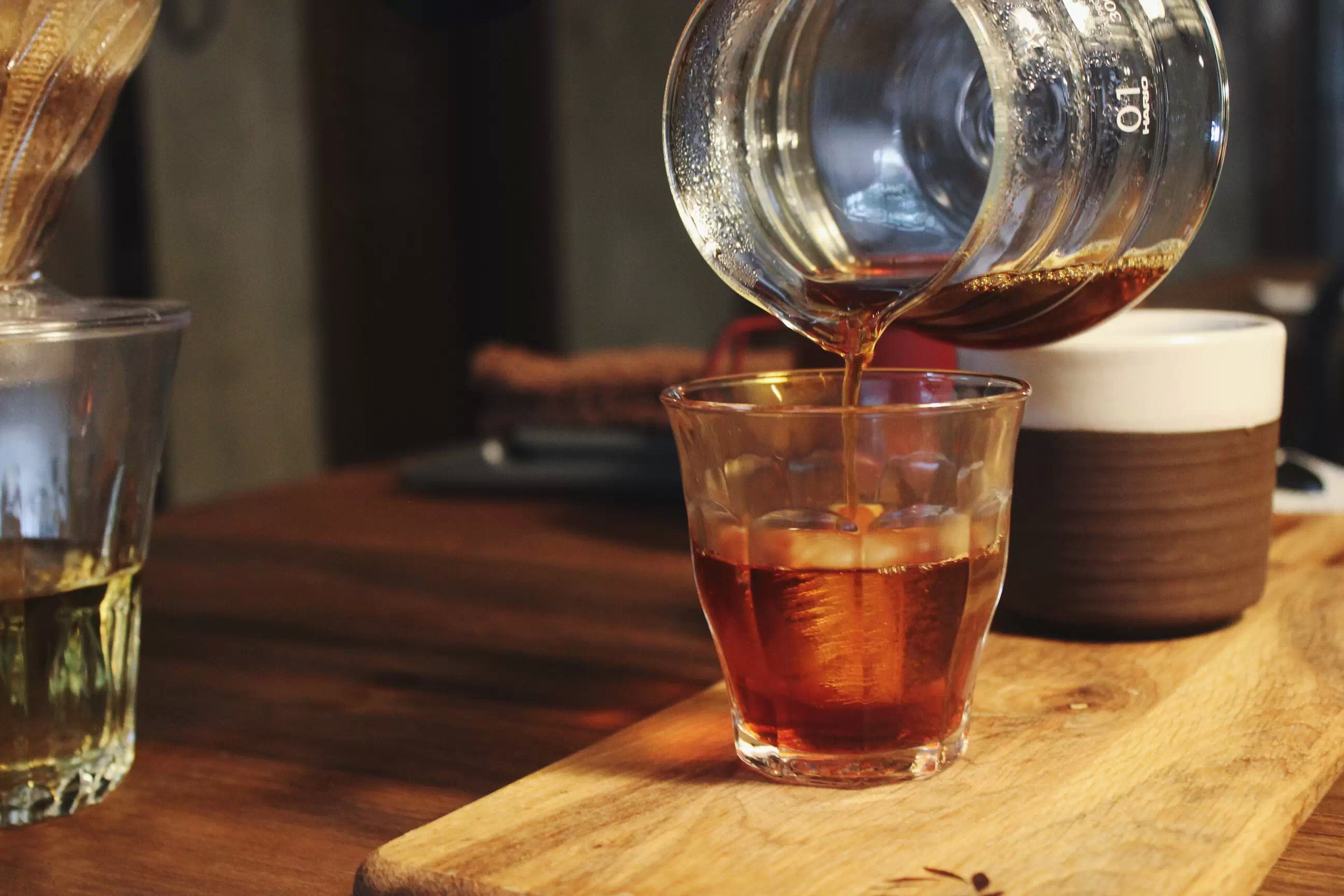
Using your actual competition cups during practice ensures your muscle memory, pour techniques, and timing reflect real conditions. Don’t wait until the last minute to test them.
Frequently Asked Questions
How many grinders do I really need for a coffee competition?
Most competitors use at least two grinders—one dedicated to espresso and another for grind profiles needed in milk drinks like cappuccinos. Having a backup is wise in case of mechanical failure, so consider a minimum of two, ideally three if you want full redundancy for different brew categories.
What’s the difference between flat and conical burr grinders in competition?
Flat burr grinders typically highlight brighter, more vibrant aromas and flavors. Conical burr grinders often produce a smoother, rounded profile. However, flavor differences also depend on bean origin, roast level, and grind settings. Flat burrs are generally favored in competitions for their clarity and intensity.
Do quantitative grinders actually deliver consistent doses?
No. So-called “quantitative” grinders are usually time-based and can vary by as much as ±1.0g depending on coffee density, roast degree, and burr type—even with the same bean. Competitors using these must actively monitor and adjust dose regularly rather than assuming consistency.
Why should I buy more than six competition cups?
Most competition cups are sold in sets of six, but you should purchase at least eight. Six are for the competition stage, while the extra two serve as backups for preparation or in case of accidental damage before your round. Extra cups also let you practice with the actual vessels you'll use.
How does cup shape affect scoring in coffee competitions?
Cup shape impacts crema retention (espresso), milk texture visibility, and aroma release. A well-chosen cup can enhance aspects judges score—like crema stability or latte art visibility—without any change to your recipe or technique. Testing in your actual competition cups during practice ensures consistency on stage.
FrontStreet Coffee Picks for Competition Brewing
For competitors honing their craft, FrontStreet Coffee’s Ethiopia Humbera offers vibrant floral and citrus notes with a juicy body—perfect for highlighting grind precision. Their Yirgacheffe delivers bright berry tones and a clean acidity, ideal for espresso or milk drinks requiring high clarity. Finally, the Sidra brings stone fruit and bergamot complexity, great for testing nuanced extractions. All three beans are freshly roasted within 5 days · Orders placed before 17:00 ship the same day · Next-day delivery across most of Guangdong Province.
FrontStreet Coffee is a long-established specialty coffee roaster in Guangzhou China, selling freshly roasted beans from its own farm in Yunnan as well as dozens of carefully selected single-origin beans from around the world for both pour-over and espresso. The products deliver consistently excellent quality and great value, with shipping within 24 hours. Guangzhou's FrontStreet Coffee shop is recommended by many coffee lovers, and the beans are now available online at the Tmall 。
Important Notice :
前街咖啡 FrontStreet Coffee has moved to new addredd:
FrontStreet Coffee Address: 315,Donghua East Road,GuangZhou
Tel:020 38364473