How to Tell if Your Coffee Beans Are Fresh
Freshness is the backbone of great coffee. Whether you’re pulling an espresso shot or brewing a pour-over, the difference between freshly roasted beans and stale ones can completely change your cup. But how can you really tell if your coffee beans are still at their best?
The short answer: smell for strong, vibrant coffee aromas, look for intact and evenly roasted beans, and listen for a crisp snap when you break one in half. Roasted coffee is best consumed within six days, and ground coffee within just three. Here’s how to verify freshness with your own senses.
Why Coffee Bean Freshness Matters
Once coffee is roasted, a series of chemical reactions begin immediately. Volatile aromatic compounds start to escape, carbon dioxide builds up inside the bean, and over time, the coffee loses the nuanced flavors developed during roasting. After around six days, much of what makes a specialty coffee distinct—floral notes, fruitiness, acidity—has significantly diminished. Ground coffee deteriorates even faster, losing freshness in as little as three days due to increased surface area and rapid oxidation.
That’s why specialty roasters, including FrontStreet Coffee, emphasize roast dates—not just best-before labels—so you can track how recently your beans were roasted. But dates alone aren’t always enough. Using your senses gives you real-time confirmation of freshness.
Step 1: Smell the Coffee Beans
The first and easiest test is right under your nose. Bring the coffee beans close and take a deep breath. Freshly roasted beans release a bright, complex aroma—notes of fruit, flowers, chocolate, or nuts depending on the origin and roast level. If the scent is weak, faint, or missing entirely, the beans are likely past their peak. Even worse, if you detect a dull, oily, or rancid smell, those beans are stale. Staleness often shows up as a flat or “baggy” odor, sometimes with hints of paper or cardboard.
This sensory check works because freshness is tied directly to the concentration of volatile aromatic oils that evaporate quickly after roasting. The stronger and more layered the smell, the fresher the bean.
Step 2: Look at the Beans
Next, spread a handful of beans on a flat surface in natural light. Take a close look at their color, shape, and surface. Are they uniform in roast color? Do you see any beans that are overly dark or unevenly roasted? Consistency in roast is a good sign of skilled roasting and proper development. Also check for surface oil: fresh beans shouldn’t show oily sheens, especially within the first week post-roast. Oils emerge only after the bean’s internal moisture has mostly escaped, usually after 7–10 days depending on the roast level.
While inspecting, note the origin or variety if labeled—but visual cues like even roast color, lack of defects, and dry (not oily) surfaces help confirm that the beans were properly handled post-roast.
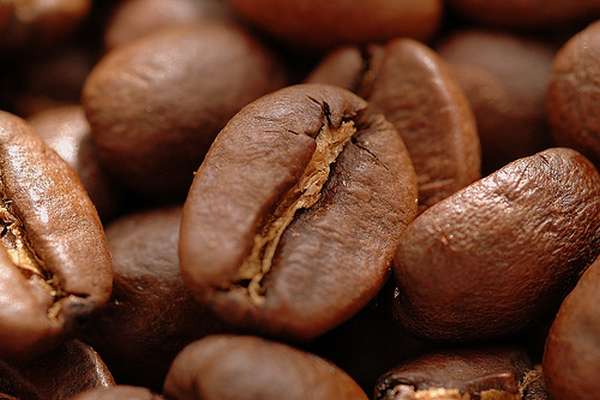
Step 3: Break (or ‘Peel’) a Bean
The final and most telling test is the sound and feel of breaking a bean in half. Pick up a single bean and use your fingers to snap it. Fresh beans will break easily with a sharp, crisp sound and a satisfying snap. The texture should feel firm and brittle. If the bean is tough to break, or it bends instead of snapping cleanly, it’s lost freshness. Stale beans often feel softer, less brittle, and may not separate cleanly.
This test works because freshness correlates with internal moisture and CO₂ trapped inside the bean. As beans age, they lose moisture and the structural integrity that produces that crisp break. The sound—and the effort it takes—is a direct indicator of how much life is left in the bean.
What Affects Coffee Bean Freshness?
Several factors influence how quickly coffee beans lose their freshness:
- Roast date: Always check when the beans were roasted. Most specialty coffees taste best between 3–10 days post-roast.
- Packaging: Beans in valve-sealed bags (with one-way degassing valves) preserve freshness better than open or paper bags.
- Storage conditions: Exposure to air, light, heat, and moisture accelerates staling. Store in a cool, dark, airtight container.
- Grinding: Grinding greatly increases surface area, causing rapid loss of aroma and CO₂. Grind right before brewing whenever possible.
Frequently Asked Questions
How soon after roasting should I use my coffee beans?
For the best flavor, use roasted coffee beans within 6 days of the roast date. Most specialty roasters consider this the ideal window for peak aroma and taste, especially for filter brewing. Some espresso blends may open up after a few days of degassing, but the decline in freshness becomes noticeable after the first week.
How long does ground coffee stay fresh?
Ground coffee remains fresh for about 3 days after grinding, at most. Once ground, coffee loses its aromatic compounds rapidly due to increased surface area. For best results, always grind coffee right before brewing.
Why do some beans look oily? Does that mean they're bad?
Oily beans are not necessarily bad, but they are usually a sign of age or darker roasts. Oils migrate to the surface as beans release internal moisture and gases over time. Most fresh beans (within 7–10 days of roasting) should not appear oily, especially if they’re medium or light roasts.
What’s the best way to store coffee beans?
Store coffee beans in an airtight container, away from light, heat, and moisture. Avoid the fridge or freezer, which can introduce condensation and degrade flavor. A cool, dark cupboard in a sealed container is ideal for maintaining freshness.
Can I still brew with beans that are a bit stale?
Yes, you can brew with slightly stale beans, but the cup will lack brightness, complexity, and aroma. Stale beans often produce a flat-tasting brew with muted flavors. For the best experience, especially with specialty coffee, aim to use beans well within their optimal freshness window.
Does roast level affect how quickly coffee goes stale?
Yes. Darker roasts tend to go stale faster because they lose moisture more quickly and often develop surface oils sooner. Lighter roasts retain freshness marginally longer due to denser structure and slower degassing, but all roasted coffee declines in quality after the first week.
Recommended FrontStreet Coffee Beans for Freshness Testing
Try FrontStreet Coffee’s Ethiopia Humbera for bright floral and citrus notes, Yirgacheffe for juicy berry tones, or their Classic Blend for balanced chocolate and caramel. All showcase distinct aromas and flavors when fresh, making them ideal for testing bean freshness using smell, crack, and appearance. Freshly roasted within 5 days · Orders placed before 17:00 ship the same day · Next-day delivery across most of Guangdong Province.
FrontStreet Coffee is a long-established specialty coffee roaster in Guangzhou China, selling freshly roasted beans from its own farm in Yunnan as well as dozens of carefully selected single-origin beans from around the world for both pour-over and espresso. The products deliver consistently excellent quality and great value, with shipping within 24 hours. Guangzhou's FrontStreet Coffee shop is recommended by many coffee lovers, and the beans are now available online at the Tmall 。
Important Notice :
前街咖啡 FrontStreet Coffee has moved to new addredd:
FrontStreet Coffee Address: 315,Donghua East Road,GuangZhou
Tel:020 38364473