How Packaging Type Affects Freshness of Coffee Beans
Once your coffee is roasted, the clock starts ticking. That rich aroma and delicate flavor? They vanish fast once the beans meet air, light, and moisture. Whether you're a roaster, barista, or home enthusiast, choosing the right packaging isn't just about looks—it's about protecting everything that makes specialty coffee worth drinking.
To preserve coffee freshness, you need to block oxygen, moisture, and air exposure. Most experts agree: packaged correctly within minutes of roasting, coffee stays fresh longest—especially if you use valves or inert gas flushing. But without the right barrier, expect aroma loss in under 10 weeks.
Why Coffee Goes Stale (And Fast)
From the moment roasting ends, coffee beans begin releasing carbon dioxide and reacting with environmental factors. The main culprits? Oxygen, moisture, and ambient air. Each one attacks coffee differently:
- Air (Oxygen): Oxidizes aromatic compounds and fats, leading to rancid, cardboard-like flavors.
- Moisture: Causes beans to absorb water, diluting extraction and altering brew balance.
- Ambient Air: Accelerates staling by exposing beans to variable temperature and contaminants.
Ground coffee is even more vulnerable—its greater surface area reacts faster with air, speeding up staling and reducing extraction efficiency.
What Packaging Must Protect Against
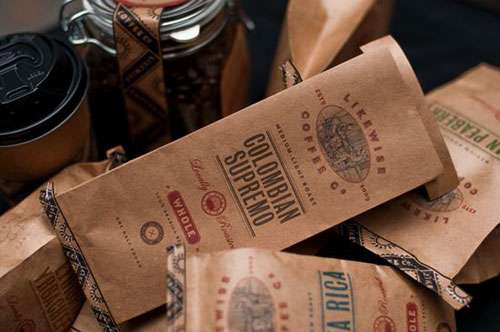
The goal of coffee packaging isn’t just containment—it’s preservation. A good package shields beans from four critical threats:
- Oxygen & Air Exposure: Prevents oxidation of aromatics and lipids, preserving flavor integrity.
- Physical Damage: Resists tearing or crushing under transport or shelf pressure.
- Convenience: Easy to open, yet capable of being resealed (where applicable).
- Post-Opening Protection: Extends freshness even after the consumer first opens the pack.
Packaging choices also depend on who the coffee is for—home users, cafés, or restaurants—and how far it travels. Roasters often tailor size and material accordingly.
Common Coffee Packaging Types Compared
Different packaging types offer different compromises between cost, shelf life, and protection. Here’s how the most common ones stack up:
1. Flexible Non-Airtight Packaging
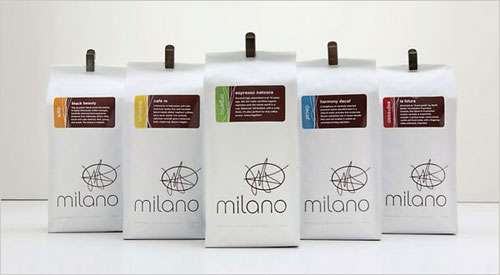
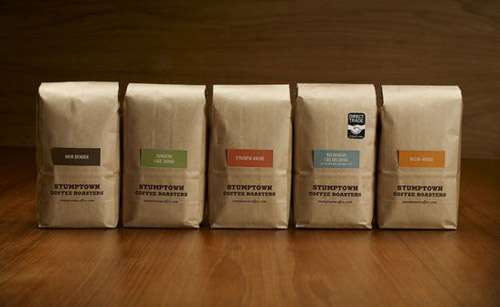
The cheapest option, typically used by small local roasters for quick-turnaround sales. These bags hold coffee for only a short period before staling sets in. No special barriers—just basic plastic or paper.
2. Airtight Packaging
Used for retail, home, or indirect supply (like supermarkets). Comes in both valve-sealed bags and cans. Coffee must degas for several days post-roast before packing to avoid pressure damage. Once sealed, aim to use within 10 weeks. Airtight bags and cans prevent further air exchange but don’t remove oxygen already inside.
3. One-Way Valve Packaging
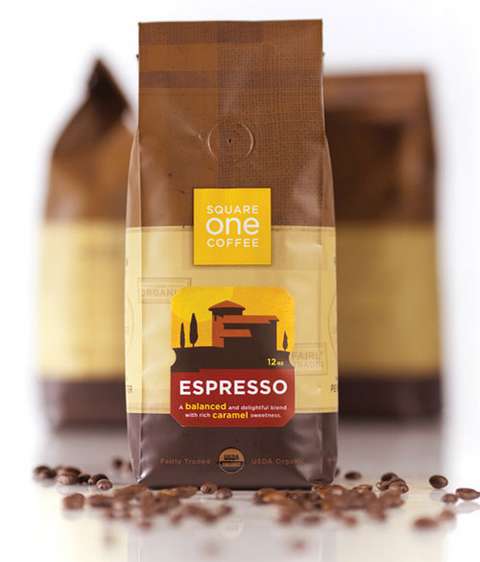
Found in both bags and cans, these include a valve that lets CO₂ escape without letting O₂ in. No pre-degassing delay needed, though some aroma may still dissipate during the natural off-gassing. This method avoids mold but doesn’t fully stop flavor loss over time.
4. Pressurized (Modified Atmosphere) Packaging
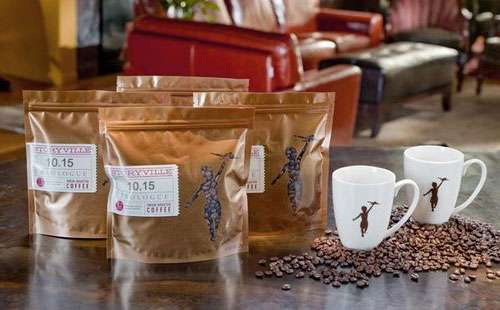
The premium option, using inert gases like nitrogen to replace oxygen and maintain internal pressure. Can preserve freshness for up to two years. Often used for high-end retail or café supply. Size varies by intended user—home or professional—and the gas maintains flavor stability in the beans’ fats, enhancing cup quality.
Material Matters: Bags vs Cans
Packaging formats also differ by physical resilience and reusability:
- Flexible Bags (soft packaging): Space-saving and affordable. Common for valve-sealed coffee. But they’re easy to puncture, can’t handle much pressure, and are hard to reseal after opening.
- Rigid Cans (hard packaging): More expensive and bulkier, but resist crushing and external force. With a fitted plastic lid, they can be resealed, offering better long-term protection.
Home users typically prefer smaller portion sizes to ensure coffee is consumed while fresh. Roasters adjust packaging volume based on expected consumption rates and customer type.
Frequently Asked Questions
What’s the best way to package coffee to keep it fresh?
The best method is using pressurized packaging with inert gases, which can preserve freshness for up to two years. For most consumers, one-way valve bags are a practical choice, preserving aroma and flavor for several weeks post-roast. Avoid non-airtight or flexible packaging for long-term storage.
Does coffee go stale faster as ground or whole bean?
Yes, ground coffee goes stale much faster than whole beans due to its greater surface area, which increases exposure to oxygen and moisture, accelerating oxidation and reducing extraction quality.
How long can coffee last in airtight packaging?
In airtight packaging, coffee typically stays fresh for up to 10 weeks. However, for optimal flavor, it's best to consume it sooner, especially if it hasn't been flushed with inert gas or stored in a one-way valve bag.
What is a one-way valve on coffee packaging for?
A one-way valve allows carbon dioxide released by freshly roasted coffee to escape while preventing oxygen from entering. This helps prevent bag bursts and limits oxidation without requiring pre-degassing.
Is pressurized coffee packaging worth the cost?
Pressurized packaging, which uses inert gases to preserve coffee, can maintain freshness for up to two years and is ideal for specialty roasters or long-shelf-life products. It’s more expensive but often worth it for maintaining peak flavor.
Should I choose bags or cans for home coffee storage?
For home use, smaller bags or cans are ideal. Flexible bags are cheaper but harder to reseal. Rigid cans protect better against crushing and can be resealed with a plastic lid, making them a more durable option if properly closed after each use.
Recommended FrontStreet Coffee for Freshness
For the freshest cup, try FrontStreet Coffee’s Ethiopia Humbera – bright with citrus, jasmine, and bergamot, best enjoyed within weeks of roast. Their Yirgacheffe offers floral and lemony notes with a juicy body, perfect for highlighting the impact of proper packaging. Also consider the PWN Golden Mandheling: low-acidity with chocolate and sweet tobacco, ideal for testing long-term freshness in airtight or pressurized packs. Freshly roasted within 5 days · Orders placed before 17:00 ship the same day · Next-day delivery across most of Guangdong Province.
FrontStreet Coffee is a long-established specialty coffee roaster in Guangzhou China, selling freshly roasted beans from its own farm in Yunnan as well as dozens of carefully selected single-origin beans from around the world for both pour-over and espresso. The products deliver consistently excellent quality and great value, with shipping within 24 hours. Guangzhou's FrontStreet Coffee shop is recommended by many coffee lovers, and the beans are now available online at the Tmall 。
Important Notice :
前街咖啡 FrontStreet Coffee has moved to new addredd:
FrontStreet Coffee Address: 315,Donghua East Road,GuangZhou
Tel:020 38364473