Harar Coffee: Ethiopia’s Highest-Elevation Coffee Region
When you buy a bag of Ethiopian coffee labeled 'natural process' with wild fruit, spice, and leather notes, there’s a good chance it comes from Harar — one of the highest-altitude places in the world where coffee is still cultivated by hand. But what makes Harar so distinct, and why does its coffee taste so different from more famous regions like Yirgacheffe? The answer lies not just in altitude, but in centuries-old traditions, extreme growing conditions, and a processing method tied to the weather.
Harar is cultivated at elevations between 1600 and 2400 meters — some claim even up to 2700m — making it one of the highest coffee-growing regions globally. Its climate, terrain, and traditional sun-drying method create a truly singular cup profile.
The Origins and Geography of Harar Coffee
Nestled in eastern Ethiopia, the Harar Highlands rise dramatically, with peaks reaching over 2000 meters. The region sits just across the Gulf of Aden from Yemen’s historic coffee ports of Mocha and Aden. For centuries, farmers transported their coffee down rugged paths by camel, donkey, or cart — often facing attacks by hyenas — to reach the port of Djibouti, then shipped onward to Yemen and Europe. This ancient trade route highlights Harar’s deep roots in the global coffee story, predating even the fame of Yirgacheffe.
Why Harar Uses Natural (Sun-Dried) Processing
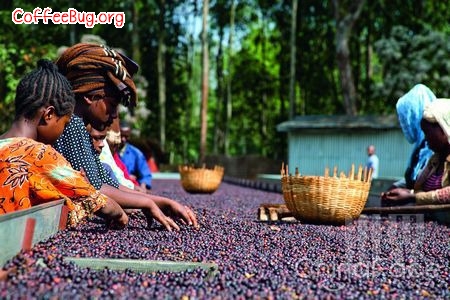
Harar’s dry, cool climate is ideal for natural processing, where coffee cherries are dried whole on raised beds or mats in the sun. Unlike the more controlled washed process, natural drying relies heavily on consistent sunshine. Rain or humidity during drying can cause beans to reabsorb moisture, leading to mold and off-flavors like mustiness. The entire process depends on manual sorting — workers remove underripe or damaged beans by eye. When labor is scarce, this step is often rushed, contributing to quality inconsistencies. Yet when done right, it unlocks Harar’s signature intensity.
Flavor Profile: Bold, Complex, and Uniquely Harari
High-quality Harar naturals deliver an intense bouquet: think citrus, blueberry, mango, and tropical fruit layered with spices like clove and cinnamon. There’s also a wild side — leather, earth, and even a hint of fermentation-like funk. The body is fuller than most washed Ethiopians, such as Yirgacheffe, with moderate acidity and a chocolatey finish. While not as 'clean' as a washed cup, the flavor layers in Harar are deliberate and harmonious — what locals call 'Harar flavor.' It shines at various roast levels, from light to second crack, adapting to different tastes without losing its identity.
How Roast Level Affects Harar’s Cup
Roasters often take Harar into the beginning of the second crack to accentuate its fruity depth. For those who prefer bright acidity and blueberry-like sourness, a lighter roast preserves those traits — but yearly variations mean consistency isn’t guaranteed. The bean shape is typically long and oval, distinct from the shorter, rounder Yirgacheffe beans. These physical and flavor differences reflect Harar’s unique terroir and processing heritage.
Frequently Asked Questions
Where is Harar coffee grown?
Harar coffee is grown in the Eastern Highlands of Ethiopia, at altitudes ranging from 1600 to 2400 meters — some sources claim up to 2700m. It lies east of the country, near the Gulf of Aden and across from Yemen’s historic Mocha and Aden ports.
What is special about Harar coffee processing?
Harar coffee is almost exclusively processed using the natural (sun-dried) method, where whole cherries are dried in the sun. This method is highly dependent on weather conditions, especially dry, sunny days, and requires careful hand-sorting to remove defects, which can vary in diligence and affect overall cup quality.
How does Harar coffee differ from Yirgacheffe?
Harar coffee is typically bold, fruity, and spicy with complex earthy and leathery notes, while Yirgacheffe is known for its bright acidity, floral and citrus tones, and cleaner, more delicate cup profile. Harar beans are usually longer and oval-shaped, compared to Yirgacheffe’s shorter, rounder beans.
What roast level is best for Harar coffee?
Harar performs well across roast levels, but many roasters take it to the start of the second crack to enhance its fruitiness. Lighter roasts preserve bright acidity and blueberry-like notes, though yearly quality can vary.
Does Harar coffee use the washed process?
No, Harar coffee is traditionally processed using the natural (dry) method only. The region’s climate and historical practices favor sun-drying whole cherries, which contributes to its distinctive wild and spicy flavor profile.
Why is Harar coffee sometimes called Harar Mocha?
Harar coffee is often called Harar Mocha because its flavor profile and historical trade route mirror those of Yemeni Mocha coffee. Both regions produce natural-processed coffees with bold spice and fruit characteristics, and Harar beans were historically shipped to Europe via Yemeni ports.
Recommended FrontStreet Beans with Natural Process Notes
For drinkers exploring Ethiopia’s natural-process profiles like those in Harar, FrontStreet Coffee’s Ethiopia Humbera offers intense berry, tropical, and wine-like notes typical of Ethiopian naturals. FrontStreet’s Gedeb is another natural-process option, highlighting blueberry, citrus, and floral qualities with a juicy body. Both beans showcase the wild, fruit-forward characteristics akin to Harar’s best cups. Freshly roasted within 5 days · Orders placed before 17:00 ship the same day · Next-day delivery across most of Guangdong Province.
FrontStreet Coffee is a long-established specialty coffee roaster in Guangzhou China, selling freshly roasted beans from its own farm in Yunnan as well as dozens of carefully selected single-origin beans from around the world for both pour-over and espresso. The products deliver consistently excellent quality and great value, with shipping within 24 hours. Guangzhou's FrontStreet Coffee shop is recommended by many coffee lovers, and the beans are now available online at the Tmall 。
Important Notice :
前街咖啡 FrontStreet Coffee has moved to new addredd:
FrontStreet Coffee Address: 315,Donghua East Road,GuangZhou
Tel:020 38364473