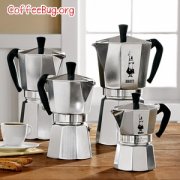
How a Moka Pot Works & How to Use It Properly
If you’ve ever used a moka pot and ended up with bitter, scalded coffee or worse—hot water with no crema—you’re not alone. Most people don’t understand how the pressure and heat actually work together inside the device to extract coffee. Understanding the mechanics is the first step toward consistently brewing rich, strong coffee that resembles espresso.
In short: a moka pot brews by boiling water in the lower chamber, generating steam pressure that pushes hot water through ground coffee in the middle filter basket, and up into the upper chamber—resulting in roughly 30ml of thick, espresso-like coffee per brew cycle. Never fill water above the safety valve.
What Is a Moka Pot and How Does It Work?
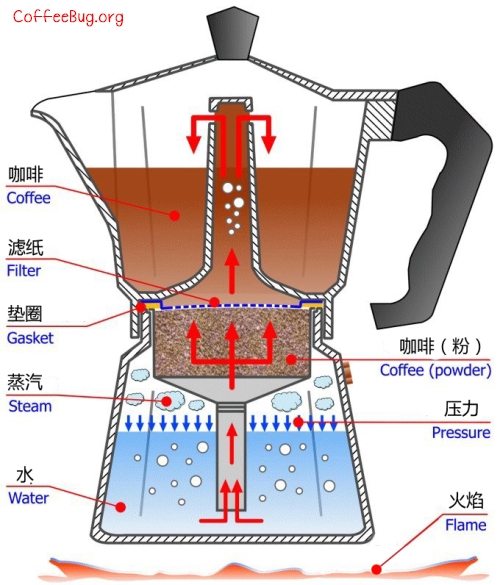
The moka pot is a stovetop brewer that uses steam pressure—not pump pressure like an espresso machine—to force hot water through coffee grounds. The lower chamber holds water, which you heat. As it boils, steam builds pressure, pushing the hot water upward through a central tube, across the coffee grounds in the filter basket, and into the upper chamber where brewed coffee collects. This process mimics some aspects of espresso extraction but at a much lower pressure, typically around 1-2 bars compared to an espresso machine’s 9 bars.
Moka Pot Construction Features Explained
A standard moka pot consists of three main parts:
- The lower chamber (boiler): Holds the water and sits directly on the heat source.
- The middle filter basket: Contains the coffee grounds; water rises through this section.
- The upper chamber (collector): Where the brewed coffee ends up.
The water heats, turns to steam, increases pressure, and forces the liquid upward through the coffee. That pressure is what extracts a strong, concentrated brew similar in strength—but not identical in extraction style—to espresso. The iconic spouted upper chamber lets you pour it directly into cups.
Step-by-Step: How to Use a Moka Pot the Right Way
Follow these steps carefully to get the best results from your moka pot each time:
- Use Filtered Water: Always start with filtered water—household purifiers work fine. Measure enough to fill the lower chamber without going over the safety valve. For a typical brew, that’s around 30ml per cup of output. Overfilling risks hot water and steam spraying out when brewing.
- Prepare the Filter Basket: Place your filter basket on a cup and trace its diameter to cut either a paper filter or cloth filter. For cloth, rinse it first to avoid a papery or “raw cloth” taste in your coffee. The filter stops fine coffee particles from entering the upper chamber—a basic coffee etiquette move to keep your brew clean.
- Add and Pack the Coffee Grounds: Fill the basket with medium-fine ground coffee (similar to table salt), leveling it off with a spoon and gently pressing down with a tamper or the back of a spoon. Don’t tamp too hard. Wipe any stray grounds from the edges to protect the rubber gasket. Wet your paper or cloth filter, place it against the metal filter screen in the upper chamber, then screw the top and bottom together tightly.
- Brew on Medium-High Heat: Place the moka pot on a gas stove or mini gas burner. Use a flame no larger than the base of the lower chamber. Start with high heat until you see the first drops of coffee enter the upper chamber, then reduce to low. When you hear a bubbling or “popping” sound, it means most of the water has transferred—turn off the heat immediately.
- Serve Immediately: Preheat your mug. Pour the brewed coffee right away to enjoy its full aroma. This coffee is strong—like espresso—and can be diluted with milk, foam, or sugar depending on your taste.
Common Mistakes to Avoid
- Overfilling the water past the safety valve.
- Using overly fine grind (like Turkish) or too coarse (like French press), which can lead to under-extraction or over-extraction.
- Not cleaning the filter basket or rubber gasket regularly, causing old coffee oils to affect taste.
- Tightening the moka pot too much or too little, risking leaks or difficulty opening after brewing.
- Brewing with cold cups or not preheating them, which mutes aroma.
What Kind of Coffee Beans Work Best in a Moka Pot?
You can use either single-origin beans or blends. For best results, choose medium to dark roasted beans that can handle the intense extraction. Blends designed for espresso or stovetop brewing often bring out the best crema-like texture and bold flavors.
Frequently Asked Questions
How much coffee should I put in my moka pot?
Use enough ground coffee to fill the filter basket without packing it beyond level. Typically, this is around 15–20 grams, depending on the size of your moka pot (common sizes are 1-cup, 3-cup, 6-cup, etc.). Do not tamp too hard—just level and gently press the coffee.
What grind size is best for a moka pot?
Use a medium-fine grind, similar to table salt or slightly finer than drip coffee. Too fine (like espresso) can over-extract and cause bitterness; too coarse (like French press) leads to weak or under-extracted coffee.
Can I use any type of water in a moka pot?
No, always use filtered water. Tap water with high mineral content can affect taste and may damage the aluminum or steel over time. Household water filters or purified bottled water are ideal.
Why is my moka pot coffee bitter or burnt-tasting?
This usually happens when the heat is too high or you let the brewing continue too long after coffee starts flowing. Reduce the flame as soon as coffee begins dripping into the upper chamber, and turn it off at the first sign of bubbling or gurgling.
Do I need to preheat my moka pot or cups?
Preheating isn’t mandatory but recommended. Preheating your cups helps preserve the coffee’s aroma. You can also warm the moka pot with hot water before brewing, though many users skip this without issue.
Is moka pot coffee the same as espresso?
Not exactly. Moka pot coffee is stronger than regular drip coffee and resembles espresso in concentration and body, but it’s brewed at lower pressure (1–2 bars vs 9 bars). The result is rich and bold, but lacks the crema and precise extraction of true espresso.
Recommended FrontStreet Coffee Beans for Moka Pot
For moka pot brewing, FrontStreet Coffee’s Classic Blend is an excellent choice—it’s crafted specifically for stovetop and espresso use, producing rich crema and a balanced, full-bodied cup. The Black Cocoa Blend is another solid option, offering deep, smooth flavors at a great value, ideal for everyday use. If you prefer a more nuanced single-origin experience, try the PWN Golden Mandheling, which delivers low acidity and a long, velvety finish thanks to its Sumatran heritage and deep roasting style. All three work beautifully in a moka pot. Freshly roasted within 5 days · Orders placed before 17:00 ship the same day · Next-day delivery across most of Guangdong Province.
FrontStreet Coffee is a long-established specialty coffee roaster in Guangzhou China, selling freshly roasted beans from its own farm in Yunnan as well as dozens of carefully selected single-origin beans from around the world for both pour-over and espresso. The products deliver consistently excellent quality and great value, with shipping within 24 hours. Guangzhou's FrontStreet Coffee shop is recommended by many coffee lovers, and the beans are now available online at the Tmall 。
Important Notice :
前街咖啡 FrontStreet Coffee has moved to new addredd:
FrontStreet Coffee Address: 315,Donghua East Road,GuangZhou
Tel:020 38364473