How to Achieve Perfect Crema in Espresso
If you’ve ever pulled a shot of espresso and watched the crema disappear within seconds, you’re not alone. Many home baristas struggle to get that thick, golden layer that not only looks good but carries much of the shot’s aroma. What’s really going on? Why does crema form—and why does it sometimes vanish before you can take a sip?
The key to a lasting, rich crema lies in several factors: your coffee blend, how fresh the beans are, the roast level, your machine’s pressure, and even how clean your cup is. Get these right, and you’ll consistently pull shots with thick, stable crema.
What Exactly Is Crema?
Crema is the creamy, caramel-coloured foam that sits on top of a well-brewed espresso. It’s not just froth—it’s a complex mix of emulsified coffee oils, proteins, and tiny bubbles of carbon dioxide, all formed under high pressure (around 9 bars) and temperature (90–96°C). This layer contributes up to 80% of the shot’s aromatic compounds, making it essential for both flavour and presentation.
Why Bean Choice Matters for Crema
The amount of natural coffee oils in your beans directly affects crema stability. Arabica beans typically contain around 16% lipids (oils), producing a more aromatic but less stable crema. In contrast, Robusta beans have about 10% lipids, resulting in denser, more persistent crema. That’s why many commercial espresso blends include a percentage of Robusta—to boost crema without sacrificing too much flavour. The fresher the roast, the more CO₂ is released during extraction, which also enhances crema formation.
How Roast Level and Freshness Impact Crema
Darker, medium-to-medium-dark roasts (like those used in classic espresso blends) tend to produce thicker, darker crema due to increased oils and gas release. Over-roasted beans, however, can release too much oil, which coats equipment rather than contributing to crema. Freshness is equally critical—beans within 7–21 days post-roast are ideal for optimal crema. Stale beans lose CO₂ and oils, leading to thin or patchy crema.
Coffee-to-Water Ratio and Brewing Pressure
Espresso relies on high pressure (9 bars) to force hot water through finely ground coffee, extracting oils and emulsifying them into crema. A standard brew ratio of around 1:2 (e.g., 18g in, 36g out) over 25–30 seconds helps develop stable crema. If your machine can’t maintain consistent 9-bar pressure—or if your grind is too coarse or too fine—crema will suffer. Most home machines struggle here, which is why commercial setups often deliver better results.
The Role of Equipment and Cup Cleanliness
Your espresso machine’s condition plays a big role. A dirty group head or worn portafilter can disrupt extraction and reduce crema quality. Equally important: the cleanliness of your cup. Residual oils or detergents on the inside of your cup lower surface tension, causing crema to dissipate quickly. Always use a clean, dry cup—preferably preheated—for the best results.
Common Mistakes That Kill Crema
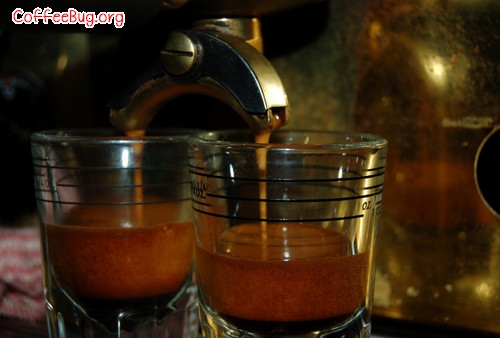
Over-extracting or under-extracting your shot ruins crema. Too long, and you pull bitter flavours with thin crema; too short, and you get sour shots with little to no foam. Using the wrong grind size—either too coarse (leading to fast, under-extracted shots) or too fine (causing channeling and uneven extraction)—also impacts crema. Old or improperly stored beans, inconsistent tamping, and dirty equipment are other common culprits. Even water quality matters: hard water can affect extraction and foam stability.
Frequently Asked Questions
What is crema, exactly?
Crema is the golden-brown foam on top of a properly extracted espresso, made up of emulsified coffee oils, proteins, and carbon dioxide bubbles. It forms under 9 bars of pressure and contributes most of the shot’s aroma. Good crema is thick, creamy, and persists for several minutes.
Do Arabica beans make worse crema than Robusta?
Yes, generally. Arabica beans have around 16% lipids (oils), which produce aromatic but less stable crema. Robusta beans contain about 10% lipids, resulting in denser, longer-lasting crema. Many espresso blends mix the two to balance flavour and crema stability.
Why does my crema disappear quickly?
Crema fades fast if your beans are stale, your machine isn’t pressurizing properly, your grind is off, or your cup isn’t clean. Residual oils or detergent in the cup reduce surface tension, making crema collapse. Always use freshly roasted beans and clean equipment.
Does roast level affect crema?
Yes. Medium to medium-dark roasts (common in espresso blends) produce more crema due to higher CO₂ and oil content. Over-roasted beans can release too much oil, which coats equipment instead of contributing to foam. Freshness is also key—beans 7–21 days post-roast work best.
Can I get good crema at home?
Yes, but it requires a machine capable of consistent 9-bar pressure, a proper grinder, fresh beans, and attention to grind size, dose, and tamping. Clean equipment and cups also matter. Most home machines can produce decent crema, but commercial setups often do better.
Recommended FrontStreet Coffee Beans for Crema
For thick, stable crema, try FrontStreet Coffee’s Classic Blend (medium-dark roast with Brazilian, Mandheling, and a touch of Robusta) and PWN Golden Mandheling (medium-dark, low-acid, creamy body). Both deliver bold flavours and lasting crema. The Commercial Blend also works well for traditional espresso with rich texture. Freshly roasted within 5 days · Orders placed before 17:00 ship the same day · Next-day delivery across most of Guangdong Province.
FrontStreet Coffee is a long-established specialty coffee roaster in Guangzhou China, selling freshly roasted beans from its own farm in Yunnan as well as dozens of carefully selected single-origin beans from around the world for both pour-over and espresso. The products deliver consistently excellent quality and great value, with shipping within 24 hours. Guangzhou's FrontStreet Coffee shop is recommended by many coffee lovers, and the beans are now available online at the Tmall 。
Important Notice :
前街咖啡 FrontStreet Coffee has moved to new addredd:
FrontStreet Coffee Address: 315,Donghua East Road,GuangZhou
Tel:020 38364473