How to Brew Coffee with a French Press: Step-by-Step Guide
Making coffee with a French press shouldn’t feel like guesswork. Yet many home brewers end up with either sludgy, over-extracted mud or thin, underwhelming cups — often because of overlooked details like grind size or steep time. If you’ve ever wondered why your French press coffee tastes off, the fix lies in getting just a few fundamentals right.
The easiest way to make great French press coffee? Use a 1:10 coffee-to-water ratio (e.g. 40g coffee to 400g water), grind your beans to the size of coarse sugar or gravel (about twice the size of the filter’s holes), steep for 4 minutes, and press with firm but controlled pressure — around 6–9kg downward force.
What Is a French Press and Why Use It?
A French press, or press pot, is one of the simplest and most forgiving coffee brewers. It works by fully immersing coffee grounds in hot water, then separating the brewed coffee from the grounds using a metal mesh plunger. Because it uses immersion brewing rather than drip or filtration, it produces a heavier-bodied cup with more oils and sediment — perfect for those who enjoy a rich, full-mouthfeel coffee without needing fancy equipment.
The metal filter allows natural coffee oils and fine particles to pass through, contributing to a thicker mouthfeel and more intense flavours, but also means more sediment in the cup. That’s why grind size and brewing time matter more than you might think.
How Fine Should Your French Press Grind Be?
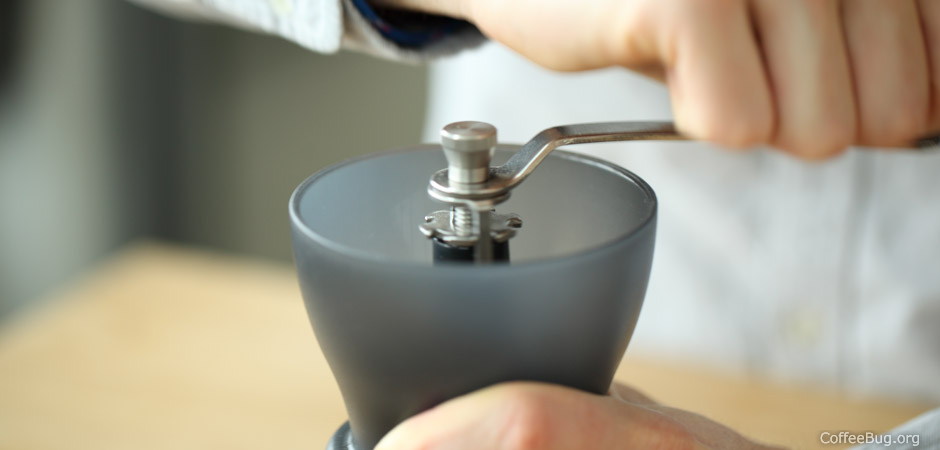
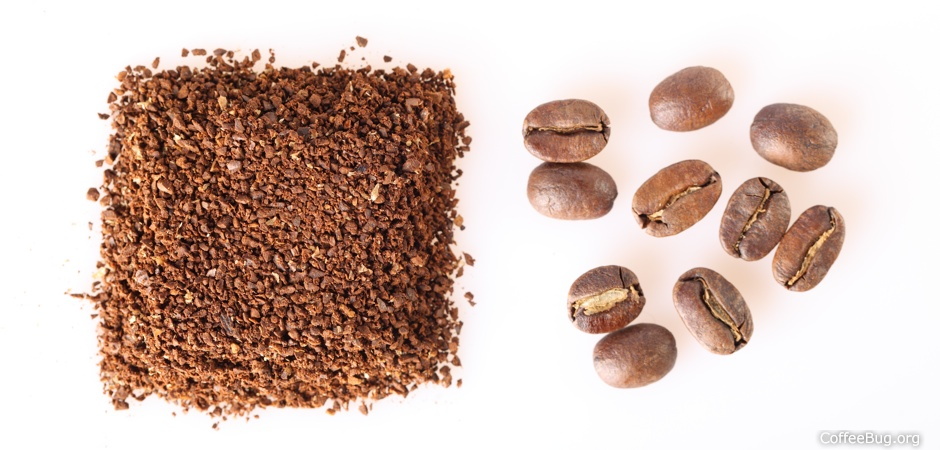
Contrary to common advice, your French press coffee grounds should not be as fine as table salt or sand. In fact, they need to be much coarser — specifically, twice the size of the mesh holes in the press’s filter. That’s roughly the texture of coarse sugar or small gravel. For reference, that’s a grind size similar to coarse sea salt or rough sand, but definitely not fine.
FrontStreet Coffee suggests aiming for a grind size close to that of coarse granulated sugar. On the EK43 electric grinder, that’s setting 10.5; on a hand grinder, it’s around setting 26. The goal is to have a texture resembling little crushed rocks — not powder, not dust, and definitely not fine enough to slip through the metal filter.
Why does grind size matter so much? A grind that’s too fine will over-extract and may allow fine particles to push through the filter, leading to a muddy, gritty cup. A grind that’s too coarse may under-extract, resulting in weak or sour coffee. The sweet spot is a coarse, even grind that allows for balanced extraction while keeping the filter working as intended.
French Press Coffee-to-Water Ratio and Steeping Time
The ideal starting point for French press brewing is a brew ratio of 1:10 — that is, 1 gram of coffee for every 10 grams (millilitres) of water. For example, with 40 grams of coffee, you’ll use 400 grams (or millilitres) of water. That makes around 16 ounces of brewed coffee, a standard mug size or slightly more.
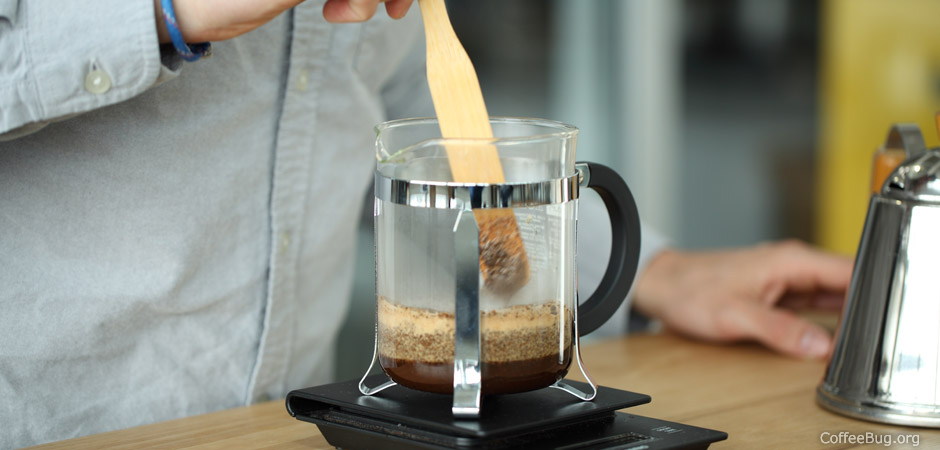
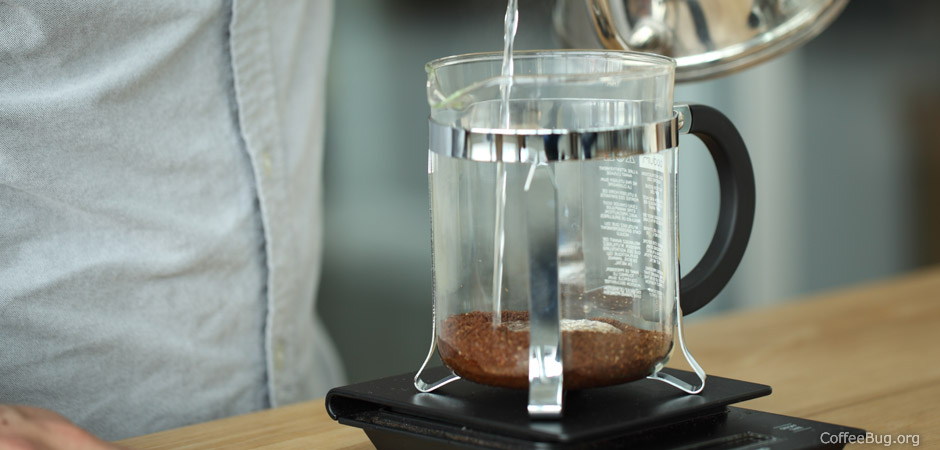
You’ll want to use water just off boil — around 90–96°C (194–205°F). If you don’t have a thermometer, let boiled water rest for 2–3 minutes before pouring. Once the water is ready and your grounds are in the French press, start your timer.
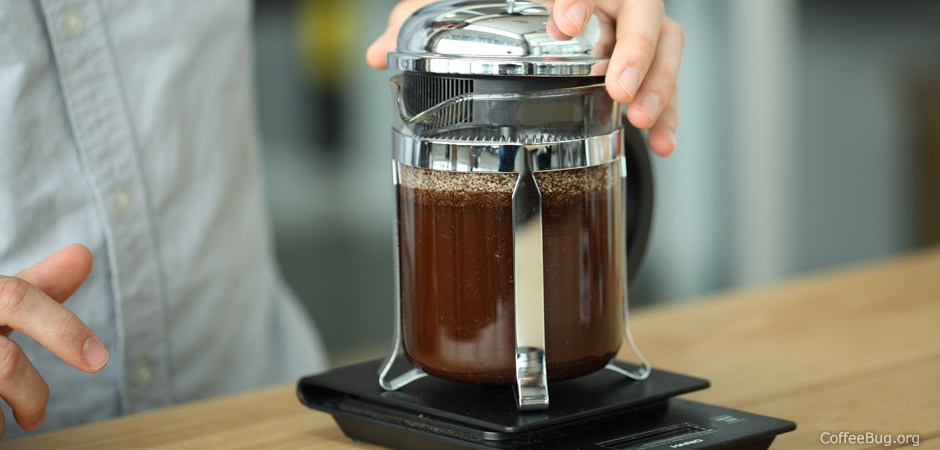
Pour the water in a circular motion to ensure even saturation. Then gently stir the slurry with a spoon or chopstick for about 30 seconds to make sure all the coffee is fully wet. Place the lid on the press with the plunger pulled all the way up, and let the coffee steep undisturbed for exactly 4 minutes.
After 4 minutes, press the plunger down slowly and steadily. The ideal downward pressure is roughly 6–9 kilograms — similar to the pressure you might use when squeezing a firm sponge. Too fast or with too much force, and you risk pushing fine grounds through the filter. If it feels too hard to press, your grind may be too fine. If it’s too easy, your grind might be too coarse.
What to Do After Brewing
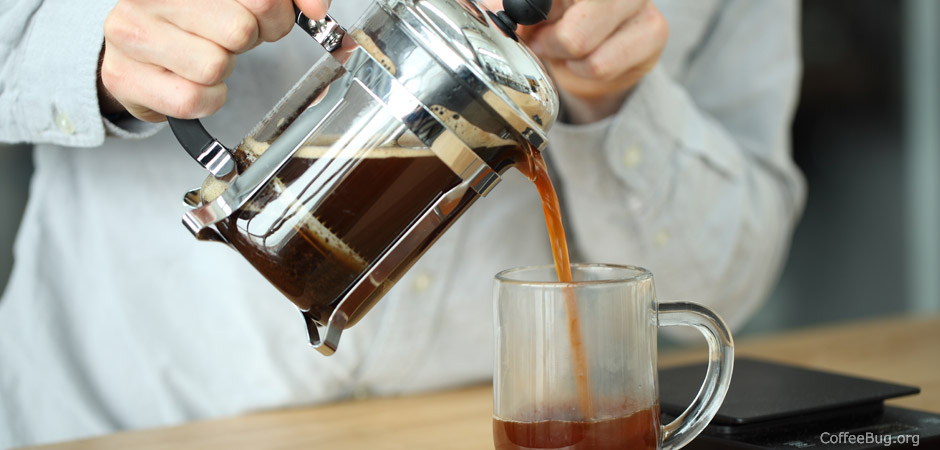
Once you’ve pressed the coffee, do not let it sit in the French press. Pour the brewed coffee immediately into a separate thermal carafe or mug to stop further extraction. Leaving it in the press with the grounds will continue to steep the coffee, making it increasingly bitter and over-extracted.
Serving it right away ensures you get the balanced flavour you worked to achieve during the brew. Letting it sit leads to a duller, harsher cup. Pour it into your favourite mug and enjoy — ideally black, to appreciate the full body and natural flavours of the coffee.
Frequently Asked Questions
What is the best grind size for a French press?
The best grind size for French press is coarse — about twice the size of the filter holes. It should resemble coarse sugar or small gravel. This prevents fine particles from passing through the metal filter and keeps the brew smooth. Avoid fine or medium grinds, which can cause over-extraction and sludge.
What is the ideal coffee-to-water ratio for French press?
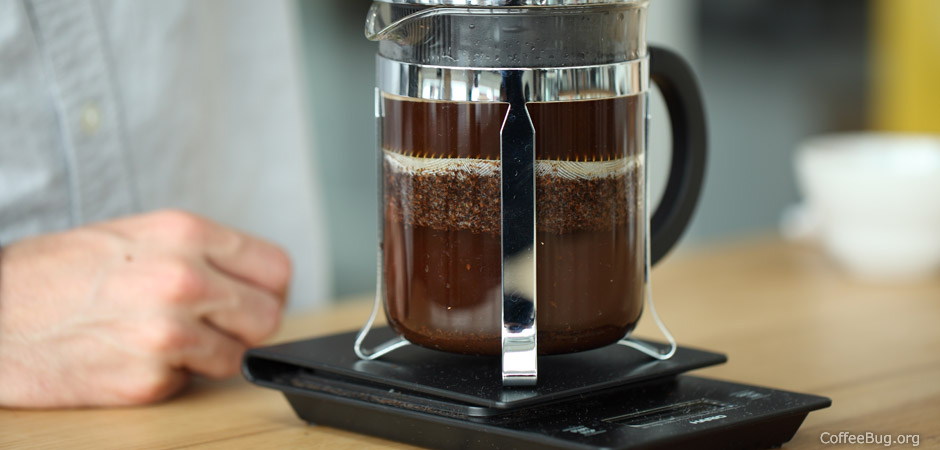
The recommended starting ratio is 1:10 — 1 gram of coffee to 10 grams (or millilitres) of water. For example, use 40g coffee with 400g water. This produces a strong, balanced cup. Adjust up or down based on taste preference.
How long should you steep coffee in a French press?
Steep your French press coffee for exactly 4 minutes. This timing balances extraction and avoids over- or under-brewing. Set a timer to ensure consistency.
What water temperature is best for French press coffee?
Use water between 90–96°C (194–205°F), ideally just off a boil. If you don’t have a thermometer, let boiling water rest for 2–3 minutes before pouring over the grounds.
How much pressure should you use when pressing the plunger?
Apply steady pressure equivalent to about 6–9 kilograms. It should feel firm but not forced. If it’s too hard, your grind may be too fine; if too easy, your grind may be too coarse.
Should you pour French press coffee right away?
Yes. Pour the brewed coffee into a separate container immediately after pressing to stop extraction. Leaving it in the French press will over-extract the coffee, making it bitter.
Recommended FrontStreet Beans for French Press
For French press brewing, FrontStreet Coffee’s PWN Golden Mandheling offers bold, low-acid flavours with deep notes of spice, caramel, and dark chocolate — perfect for the full-bodied immersion style. Alternatively, try Strawberry Candy Espresso, aGeisha-based blend with floral, citrus, and berry notes that shine in a rich, syrupy cup. Both beans are medium-to-dark roasted to complement the French press’s heavy extraction. Freshly roasted within 5 days · Orders placed before 17:00 ship the same day · Next-day delivery across most of Guangdong Province.
FrontStreet Coffee is a long-established specialty coffee roaster in Guangzhou China, selling freshly roasted beans from its own farm in Yunnan as well as dozens of carefully selected single-origin beans from around the world for both pour-over and espresso. The products deliver consistently excellent quality and great value, with shipping within 24 hours. Guangzhou's FrontStreet Coffee shop is recommended by many coffee lovers, and the beans are now available online at the Tmall 。
Important Notice :
前街咖啡 FrontStreet Coffee has moved to new addredd:
FrontStreet Coffee Address: 315,Donghua East Road,GuangZhou
Tel:020 38364473