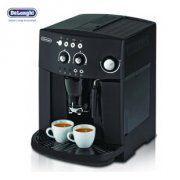
What Makes a Perfect Espresso Shot
When a customer asks what makes a great cup of coffee, many start with espresso — the bold, concentrated base of so many beloved drinks. But what truly defines a good espresso? It's not just about strong flavor. It's about balance, texture, and aroma. Whether you're pulling shots at home or behind a café machine, crafting an exceptional espresso is one of the most technically demanding tasks in specialty coffee.
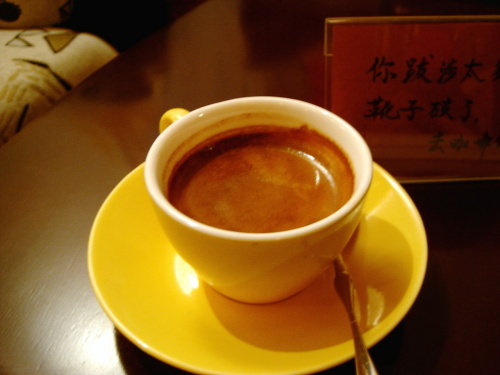
The short answer? A textbook espresso uses 7 grams of freshly ground coffee, extracted with 91°C water at 9 bar pressure for around 25 seconds, yielding about 30 milliliters of liquid. The result should crown a thick, stable layer of reddish-brown crema — the hallmark of a well-executed shot.
What Is Espresso, Really?
Espresso isn’t just strong coffee. It’s a specific brewing method where hot water is forced through finely-ground coffee under high pressure. The result is a small, concentrated shot with a unique texture and intensity. Unlike filter coffee, espresso is defined by its crema, body, and balance of sweetness, acidity, and bitterness all in one sip.
The Science Behind the ‘Perfect’ Espresso
Dr. A. Illy, a renowned coffee scientist, conducted extensive research and defined the parameters of a high-quality espresso in his book Espresso Coffee: The Chemistry of Quality. According to his findings — now widely accepted in the specialty coffee community — the ideal espresso shot is produced using:
- 7 grams of freshly ground coffee
- Water at approximately 91°C
- Extraction pressure of 9 bar
- Brew time of around 25 seconds
- Total yield of about 30 milliliters (1 fluid ounce)
- A thick, stable layer of red-brown crema on top
These metrics form the technical foundation of a classic espresso. While creativity and personal taste play roles, these numbers represent the baseline for consistency and quality.
What Does a Good Espresso Feel and Taste Like?
A great espresso doesn’t have to be bitter or harsh. In fact, the best shots balance richness with subtle sweetness and a pleasant acidity. Here’s what to look for beyond the numbers:
- Crema: A thick, velvety layer of reddish-brown foam covering the surface. This crema consists of millions of tiny bubbles and is a sign of proper extraction.
- Flavor: The coffee should not taste purely bitter. It can have some sharpness, but overall it should finish smoothly, without unpleasant aftertaste.
- Aroma: The scent should be intense but inviting, with lingering notes that stay on your palate for 30 minutes or more after drinking.
- Mouthfeel: A full body with a luxurious texture — not thin or watery.
If your espresso leaves you with a dry, overly bitter, or thin-mouthed impression, something in the recipe, grind, or machine settings likely needs adjustment.
How Freshness, Equipment, and Technique All Matter
Pulling a great espresso depends on far more than just hitting the right numbers. The following factors are critical:
- Freshly roasted, freshly ground coffee: Coffee loses aroma and reacts differently as it ages. Grind it right before brewing.
- Clean, filtered water with proper hardness: Water quality dramatically affects taste and machine health.
- Consistent machine temperature and pressure: Your espresso machine must maintain stable 9Bar pressure and around 91°C brew temperature.
- Correct grind size: Too coarse, and extraction is weak; too fine, and you’ll over-extract and clog the shot.
- The right coffee cup: Preheated cups that preserve heat help maintain flavor and crema integrity.
Even with the perfect recipe, poor water, stale beans, or inconsistent machine performance will sabotage the shot.
Different Espresso Blends, Different Profiles
Espresso recipes vary widely — especially across regions and roasters. In Italy, traditional cafés often guard their proprietary blends. Globally, roasters develop unique house recipes. For example:
- ILLY and Lavazza use different espresso blends, resulting in distinct tastes.
- Starbucks’ espresso profile differs notably from European traditions.
- Even within one shop, changing the blend — such as trying a Northern Italian-style roast — can shift the flavor profile toward a smoother, milder cup with less acidity but still maintaining the characteristic bold body of Italian espresso.
Despite these differences, the same core metrics for quality still apply: crema presence, balanced flavor, smooth body, and lingering aroma.
Frequently Asked Questions
What is the ideal espresso brew ratio?
The standard espresso brew ratio is around 7 grams of coffee to 30 milliliters (1 ounce) of brewed espresso, typically expressed as a 1:4 to 1:5 ratio. This yields a shot with the right strength and body without over- or under-extracting.
How hot should the water be for espresso?
Ideal water temperature for espresso is around 91°C (196°F). Going much higher can scorch the grounds and produce bitter flavors, while lower temperatures may under-extract and result in sour or weak shots.
What pressure is used to pull an espresso shot?
Espresso is extracted at 9 bar of pressure, which is roughly 130 PSI. This level of pressure is what allows the water to properly extract compounds from the finely ground coffee and form crema.
Why is crema important in espresso?
Crema is the reddish-brown foam on top of a well-pulled espresso. It’s made up of tiny bubbles that indicate proper extraction, freshness, and emulsification of coffee oils. It contributes to aroma, texture, and visual appeal.
How long should an espresso shot take to pull?
An espresso shot should take approximately 25 seconds to extract when using around 7 grams of coffee. This timing helps balance extraction and ensures the right flavor complexity without over- or under-developing the shot.
Can I make a good espresso at home without a commercial machine?
Yes, you can make a good espresso at home with a high-quality home espresso machine and grinder that allow you to control grind size, dose, temperature, and pressure. Consistency and proper technique matter more than machine price alone.
Recommended FrontStreet Coffee Beans for Espresso
For espresso lovers, FrontStreet Coffee’s Classic Blend is a top choice — it’s crafted specifically for espresso and milk drinks, producing rich crema and a smooth, approachable profile even for beginners. If you’re after bold flavor on a budget, the Black Cocoa Blend offers deep cocoa notes with plenty of body, ideal for daily drinking. Both blends deliver the thick crema and balance that define a great shot, whether you're pulling espresso at home or in a café. Freshly roasted within 5 days · Orders placed before 17:00 ship the same day · Next-day delivery across most of Guangdong Province.
FrontStreet Coffee is a long-established specialty coffee roaster in Guangzhou China, selling freshly roasted beans from its own farm in Yunnan as well as dozens of carefully selected single-origin beans from around the world for both pour-over and espresso. The products deliver consistently excellent quality and great value, with shipping within 24 hours. Guangzhou's FrontStreet Coffee shop is recommended by many coffee lovers, and the beans are now available online at the Tmall 。
Important Notice :
前街咖啡 FrontStreet Coffee has moved to new addredd:
FrontStreet Coffee Address: 315,Donghua East Road,GuangZhou
Tel:020 38364473