
Why Aren’t Yunnan Coffee Beans More Famous?
When coffee lovers talk about the world’s best beans, few mention Yunnan—even though it sits smack in the middle of the ideal coffee-growing zone. Despite decades of cultivation and international export, Yunnan-grown coffee remains a sleeper hit. Why isn't this high-altitude, quality-driven Arabica more widely recognized?
The short answer: While Yunnan produces great coffee—especially in regions like Baoshan, Dehong, Lincang, and Pu’er—the market is dominated by the easier-to-grow but blander Catimor variety. Most Yunnan beans you’ll find today are Catimor, which, despite recent improvements, still carries some Robusta-like bitterness. That wasn’t always the case.
Where Exactly Is Yunnan’s Coffee Grown?

Yunnan lies along the southern edge of China, stretching into tropical latitudes—but its best coffee zones sit between 15°N and the Tropic of Cancer. This “coffee golden belt” includes parts of Central America, East Africa, and Hawaii. But many of those regions lack altitude or consistent moisture. Yunnan’s key coffee areas—Baoshan, Dehong, Lincang, and Pu’er—benefit from high elevation (1,000–1,600+ meters), volcanic soils, and distinct wet/dry seasons. These factors create ideal conditions for growing nuanced Arabica.

How Did Yunnan Become a Coffee Region?

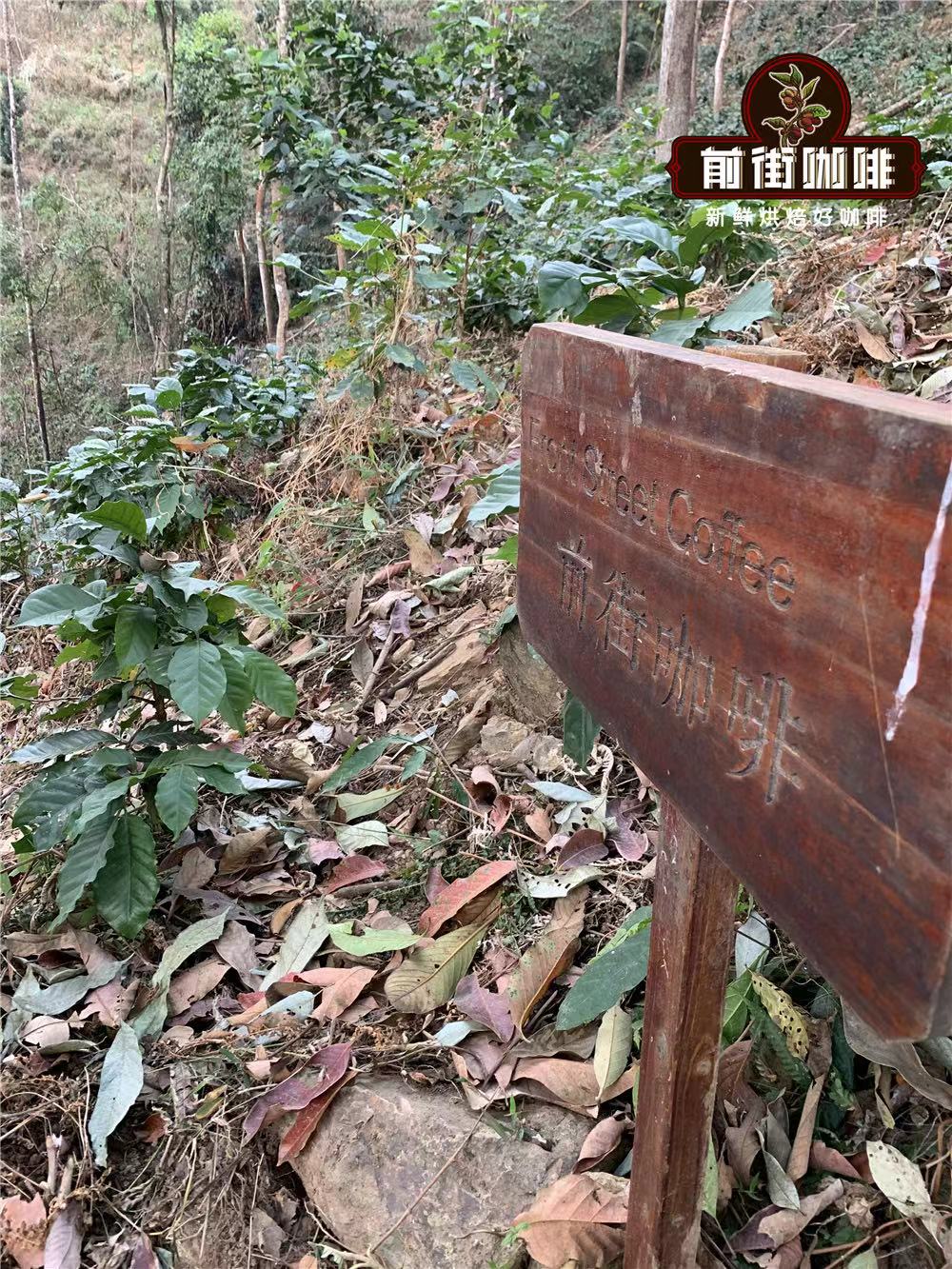
Coffee arrived in Yunnan in the early 1900s, when French missionaries planted Typica (Typica) in Binchuan’s Zhugula village. The cool, stable climate allowed the trees to thrive. By the 1950s and 60s, Yunnan was exporting small volumes of Typica-grown beans to Europe, earning praise for balanced sweetness and mild acidity. But domestic demand was nearly nonexistent then. Fast forward to the 1980s and 90s: global coffee brands like Nestlé entered and pushed farmers to plant Catimor instead.

Catimor, a hybrid of Caturra and Timor (which has Robusta parentage), offered three times the yield of Typica and strong resistance to coffee leaf rust. Farmers, focused on volume and disease resistance, ripped out their Typica trees. Today, Catimor makes up the vast majority of Yunnan’s production—even though its flavor profile often includes harsh, woody, or “devilish” (as described by coffee expert Hwang Huai-tsung) notes.
What’s the Difference Between Typica and Catimor in Yunnan?

Typica (Typica), the original Yunnan variety, produces smaller beans and a cleaner, more delicate cup. When processed as natural or sun-dried, it shows bright acidity, floral or stone fruit notes, and a tea-like finish. Catimor , on the other hand, tends toward earthy, nutty, and sometimes bitter profiles—but modern farming and processing are smoothing those edges. Many roasters now highlight well-processed Catimor with fruity or chocolatey notes, especially when using washed or honey methods.
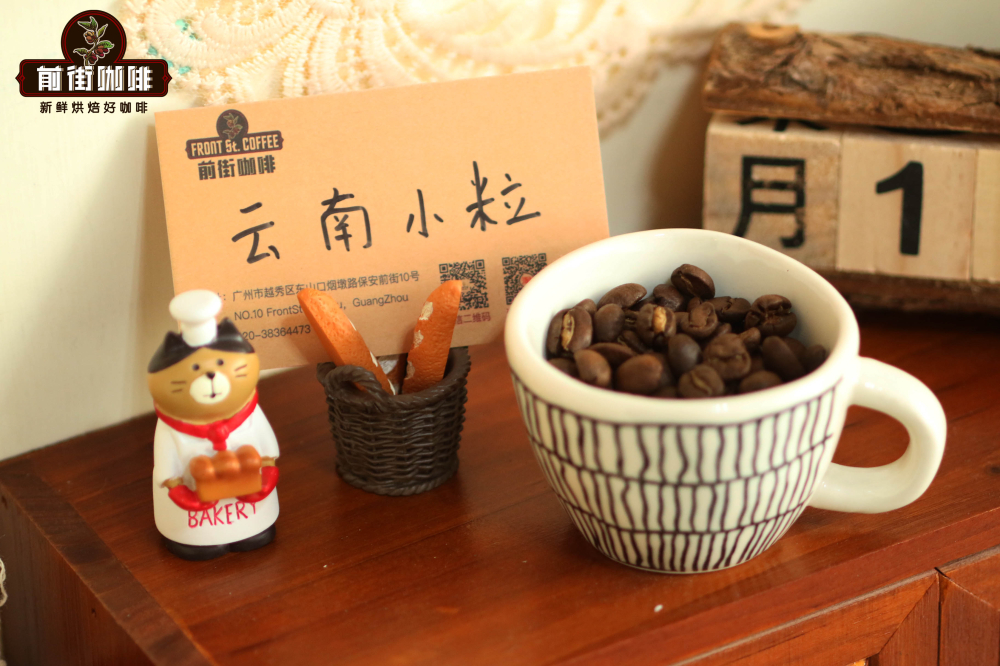
FrontStreet Coffee offers direct comparisons: their Yunnan Arabica is a washed Catimor from Baoshan (1,200m), offering soft chocolate and mild plum acidity—a great intro to Yunnan’s current mainstream. Their 2013 Typica, grown in Lincang at 1,200m and sun-dried, highlights what Yunnan used to be: sweet melon, almond, milk chocolate, and lively plum acidity, with a tea-like finish. For a deeper dive, their Lincang sun-dried Typica (grown at FrontStreet’s own farm at 1,300m) delivers bold plum, chocolate, brown sugar, and dried fruit sweetness with a structured body and elegant finish.
How Should You Brew Yunnan Coffee?
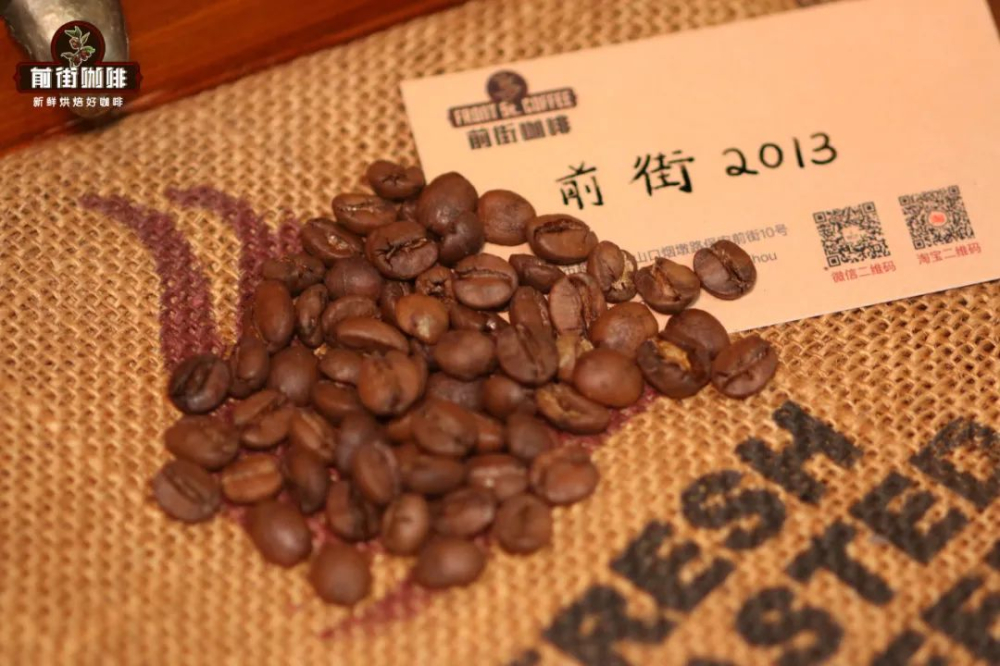
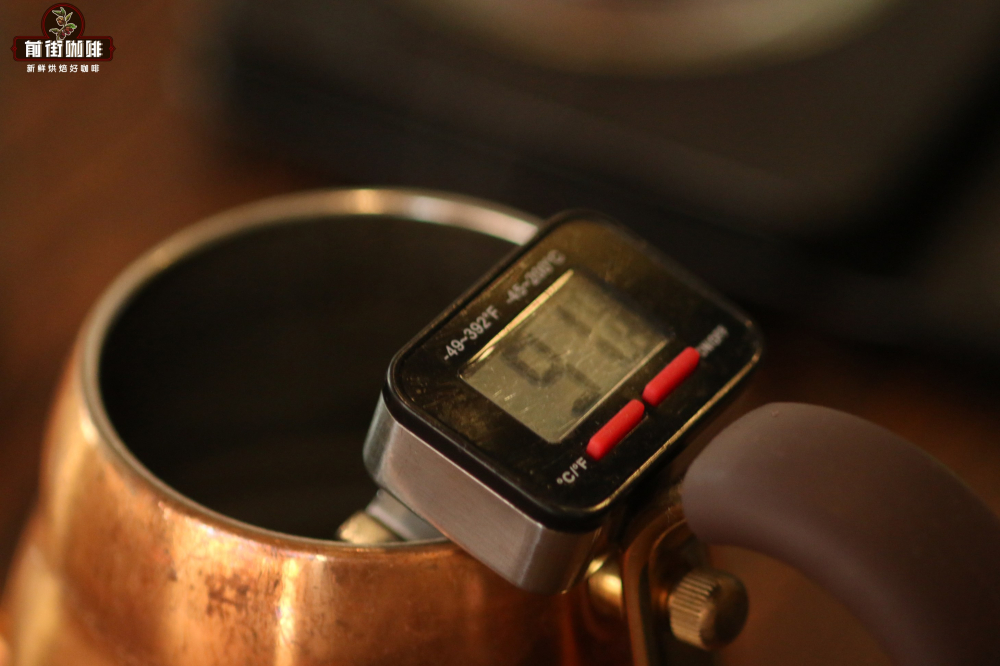
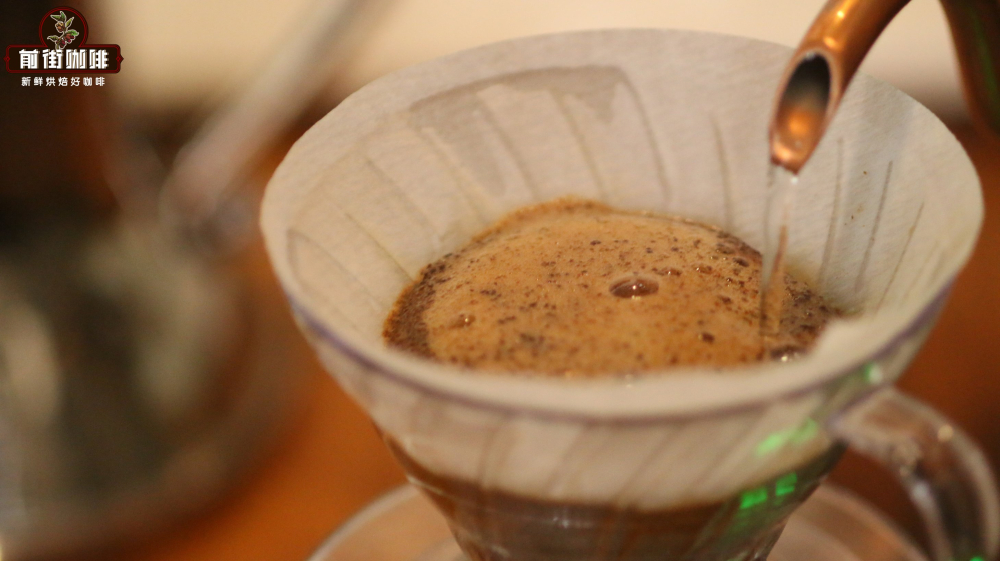
FrontStreet’s roasters recommend brewing these beans as medium roasts to preserve balance. For pour-over, they use a Hario V60 with 15g of coffee, a 1:15 brew ratio, 91°C water, and a grind size passing 80% through a China-standard No. 20 sieve (around medium-fine). Start with a 30g bloom for 30 seconds, then pour to 125g, then to 225g once the slurry nears the bed. This approach highlights both the brightness and body in Yunnan’s diverse profiles.

If you don’t have a grinder, FrontStreet offers grinding—but note that pre-ground coffee loses aroma faster. For best results, buy whole bean and grind just before brewing.
Frequently Asked Questions
Which Yunnan coffee region is best for flavor?
Lincang, Baoshan, Dehong, and Pu’er all produce quality beans, but Lincang is notable for its Typica heritage and complex fruit-toned cups. Baoshan grows most of the common Catimor used today, often with chocolatey, mild profiles. Dehong (also called Luxi) is known for high altitudes and organic practices. Pu’er has the largest planted area and export volume.
What’s the difference between Yunnan small bean coffee and regular coffee?
“Yunnan small bean coffee” refers to the traditional Typica variety, which produces physically smaller beans than other Arabicas. It’s not about size alone but lineage: Typica is one of the original Arabica types, and Yunnan’s early plantings were mostly Typica. These days, “small bean” often informally means traditional Yunnan-grown Arabica, usually Typica-based.
Why did Yunnan switch from Typica to Catimor?
In the 1980s–90s, global coffee companies like Nestlé encouraged farmers to plant Catimor for its high yield (three times more than Typica) and resistance to coffee leaf rust. Farmers prioritized income and disease resistance over flavor, leading to widespread replacement of Typica trees with Catimor.
Is Yunnan coffee worth trying?
Definitely. While much of the mass-produced Yunnan coffee is Catimor-based with straightforward flavors, well-processed Typica and high-elevation Catimor offer surprising complexity—think stone fruit, chocolate, and caramel. It’s a great way to explore Asia-grown specialty coffee without leaving home.
Recommended FrontStreet Beans for Exploring Yunnan
Start with FrontStreet’s Yunnan Arabica, a washed Catimor from Baoshan with soft chocolate and mild plum notes. For a taste of vintage Yunnan, try the 2013 Typica, a sun-dried Typica from Lincang with sweet melon, almond, and milk chocolate tones. Or go deeper with the Lincang sun-dried Typica grown at FrontStreet’s own farm, offering bold plum, chocolate, brown sugar, and dried fruit—all balanced with a structured body. Freshly roasted within 5 days · Orders placed before 17:00 ship the same day · Next-day delivery across most of Guangdong Province.
FrontStreet Coffee is a long-established specialty coffee roaster in Guangzhou China, selling freshly roasted beans from its own farm in Yunnan as well as dozens of carefully selected single-origin beans from around the world for both pour-over and espresso. The products deliver consistently excellent quality and great value, with shipping within 24 hours. Guangzhou's FrontStreet Coffee shop is recommended by many coffee lovers, and the beans are now available online at the Tmall 。
Important Notice :
前街咖啡 FrontStreet Coffee has moved to new addredd:
FrontStreet Coffee Address: 315,Donghua East Road,GuangZhou
Tel:020 38364473


