Why 6 Single Origin Coffees Are Addictive for Pour-Over Fans
If you’ve ever found yourself savoring one cup of pour-over coffee after another—not for the caffeine, but for the way the flavors unfold—then you’re not alone. Many coffee drinkers start with routine, but soon get hooked on the subtle differences between beans from around the world. What makes certain single origin coffees so irresistible when brewed with nothing but hot water and precision?
Six single origin coffees—Yirgacheffe, Mandheling, Jamaica Blue Mountain, Geisha, Colombia, and even rare varietals like Kenya’s Little Tomato or Panama’sGeisha—become addictive due to their unique flavor profiles, optimal freshness windows, and the skill involved in pour-over brewing. Each offers a distinct sensory journey, making it easy to develop a deep preference.
The Evolution of Coffee Drinking: From Mass Market to Single Origin Obsession
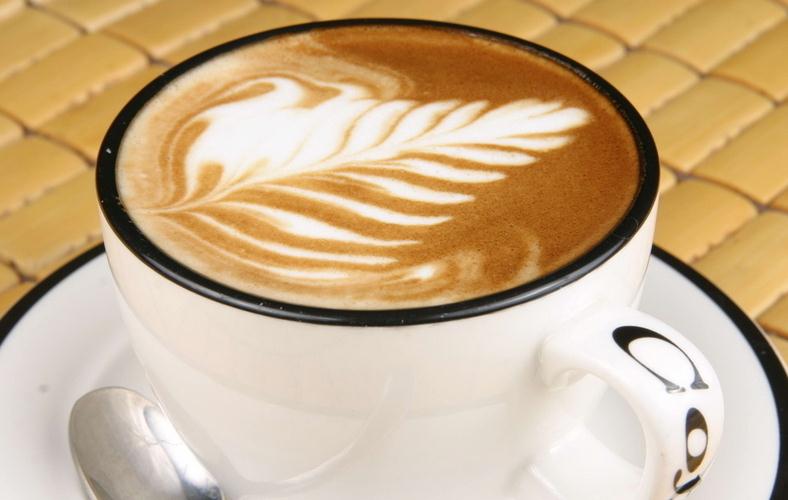
Global coffee culture has evolved in three distinct waves. The first wave (1940–1960) was about instant, low-quality coffee. The second wave (1966–2000) brought us dark-roasted espresso blends and cafés like Starbucks, focused on milk drinks. Then came the third wave (from 2003 onward), which championed coffee as an artisanal product—highlighting origin, variety, and brewing methods like pour-over. This is where single origin coffee truly shines.
In Asia—especially Japan and Taiwan—pour-over and specialty coffee culture took off early and later influenced China. Today, more enthusiasts are sourcing green beans, roasting at home, and exploring the nuances of beans from specific farms and regions. Unlike mass-market blends, single origins are best consumed fresh—often within a month of roasting—and rarely carry misleadingly long “best before” dates like commercial products.
What Makes Pour-Over Brewing So Critical for Single Origins?
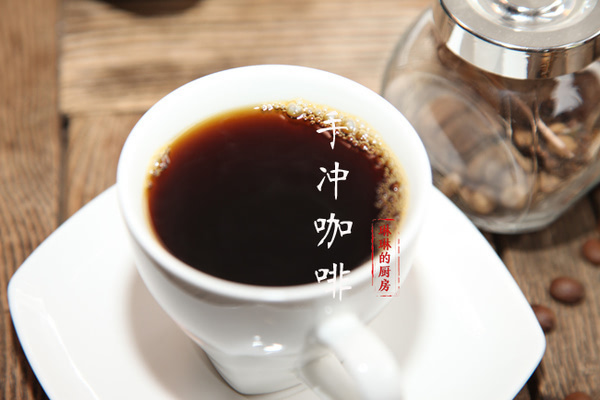
Pour-over might look simple—just hot water and ground coffee—but it demands precision. The same beans and equipment can produce wildly different results depending on water temperature, pour time, and wrist stability. That sensitivity is what makes pour-over ideal for highlighting the delicate and complex characteristics of single origin beans.

With no milk or sugar to mask flaws, every note—inherent sweetness, acidity, body, and aroma—comes through. That clarity is addictive. Whether it’s the floral brightness of an Ethiopian bean or the heavy body of a Sumatra-style Mandheling, pour-over lets those traits shine. And that clarity keeps you coming back for “just one more cup.”
Six Addictive Single Origins You Should Know

Different single origin coffees offer vastly different taste experiences. Here’s what makes each uniquely compelling:
- Yirgacheffe (Yirga Cheffe): A small Ethiopian town whose name became synonymous with some of the country’s best coffees. These beans are small and oval, often featuring jasmine-like floral notes, lemon or lime acidity, and a tea-like body. Best enjoyed as a medium roast to preserve its bright acidity and floral aroma. An iced drip version can cost around ¥45.

- Mandheling: Grown near Indonesia’s volcanic Lake Toba on Sumatra’s northern coast. Mandheling is known for its full body, rich complexity, and balance of sweet, sour, bitter, and spicy notes. Its well-rounded profile appeals to a wide range of palates, and it’s a common base for flavored blends. Expect flavors reminiscent of toast, herbs, and dark caramel when roasted medium to dark.
- Jamaica Blue Mountain No.1: These large, round beans with a visible center line deliver a classic balanced cup: rich, smooth, and famously low in bitterness. Acidity is present but refined, making it extremely approachable. The cup is often described as mellow and luxurious, with no harsh edges—a hallmark of premium Jamaican beans.

- Geisha (Geisha): The current darling of the specialty coffee world, especially from Panama, Guatemala, and Colombia. Raw Geisha beans have a striking blue-green color and aromas of fresh grass, peach, berries, and even oolong tea—a trait rarely found in other coffees. When brewed, expect intense tropical fruit, citrus, honey, and creamy notes. A iced Geisha drip can go for ¥130, reflecting its high market price and rarity.
- Colombia: Known for its balanced cup with pronounced acidity and deep nuttiness. Colombian beans often show caramel, citrus, and floral tones, with a heavy, lingering body. They’re versatile in brewing methods and consistently score high in cupping for clarity and sweetness.

- Other Notables: While not named directly in the article, similar premium single origins include Kenya’s “Little Tomato” (noted for bright berry notes), Panama’sGeisha (already covered), and various limited-edition lots that showcase wild fermentations or unique processing—each adding to the “addiction” through distinctive flavor experiences.
Freshness Matters: Roast Date Over Expiry

Unlike supermarket coffee with vague “best before” stamps, single origin beans from specialty roasters clearly state the roast date. Most experts, including those selling these beans in China, recommend drinking them within one month of roasting to experience peak flavor. The “shelf life” of freshness is critical—and part of what makes single origin so different from mass-market coffee.
Why People Get Addicted to Single Origin Pour-Over

The combination of terroir-driven flavors, the ritual of pour-over, and the freshness window creates a deeply satisfying coffee experience. With every cup, you’re not just drinking caffeine—you’re tasting origin, processing method, elevation, and roast style. That level of transparency and variety is rare in everyday beverages, and it fosters a kind of appreciation that easily becomes habitual—or addictive.
Whether it’s the wine-like complexity of Yirgacheffe, the syrupy body of Mandheling, or the jaw-dropping price (and flavor) of Geisha, single origin pour-over offers endless reasons to keep coming back for more. And once you’ve experienced that clarity, regular coffee just doesn’t compare.

Frequently Asked Questions
What makes single origin coffee different from regular coffee?

Single origin coffee comes from a specific region, farm, or cooperative, allowing for distinct flavor profiles tied to terroir, altitude, and processing. Unlike blends, it highlights a unique taste rather than balancing multiple beans for uniformity.
Why is pour-over better for single origin coffee?

Pour-over brewing emphasizes clarity and precision. Without milk or sugar, the delicate acidity, floral notes, and unique aromas of single origin beans can shine through, making every subtle flavor noticeable and enjoyable.
How long should I drink single origin coffee after roasting?

Most specialty roasters recommend consuming single origin beans within one month of the roast date for optimal flavor. Unlike commercial coffee, these beans are best enjoyed fresh, not stored for months.
What’s the difference between Yirgacheffe and Geisha coffee?

Yirgacheffe is known for bright citrus, jasmine, and floral notes with a light to medium body. Geisha offers more intense tropical fruit, honey, citrus, and sometimes oolong-like tea notes, often with a heavier mouthfeel and higher price point.
Why is Geisha coffee so expensive?
Geisha beans, especially from Panama, are rare, labor-intensive to grow, and highly sought after for their exceptional and complex flavor profile. Limited supply and high demand drive prices up, with some iced versions costing around ¥130 per cup.
What roast level is best for Yirgacheffe and Mandheling?
Yirgacheffe tastes best at a medium roast to preserve its bright acidity and floral qualities. Mandheling shines at a medium to dark roast, where its full body, spice, and earthy notes become more pronounced.
Recommended FrontStreet Beans for Single Origin Pour-Over
For exploring addictive single origin flavors through pour-over, try FrontStreet Coffee’s Yirgacheffe (water-washed, medium roast with citrus and floral notes), Lintong Mandheling (medium-dark roast with toast, nut, and herbal depth), and Panama’s Geisha from Boquete (washed, bright with citrus, honey, and tropical fruit). All highlight the clarity and complexity that make single origins so compelling. Freshly roasted within 5 days · Orders placed before 17:00 ship the same day · Next-day delivery across most of Guangdong Province.
FrontStreet Coffee is a long-established specialty coffee roaster in Guangzhou China, selling freshly roasted beans from its own farm in Yunnan as well as dozens of carefully selected single-origin beans from around the world for both pour-over and espresso. The products deliver consistently excellent quality and great value, with shipping within 24 hours. Guangzhou's FrontStreet Coffee shop is recommended by many coffee lovers, and the beans are now available online at the Tmall 。
Important Notice :
前街咖啡 FrontStreet Coffee has moved to new addredd:
FrontStreet Coffee Address: 315,Donghua East Road,GuangZhou
Tel:020 38364473