What You Need for Pour-Over and Other Drip Coffee Methods
If you’ve ever asked, “What coffee gear should I buy?” the real question is: what kind of coffee do you want to make? Whether you’re aiming for a clean, bright cup or something rich and full-bodied, your choice of brewing method—like pour-over or French press—determines the tools you’ll need. This guide breaks down everything required for making drip coffee at home, from basic pour-over setups to siphons and beyond.
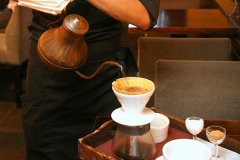
To make pour-over coffee at home, you’ll need at least a dripper (like a V60 or Kalita), paper or cloth filters, a gooseneck kettle, a server or mug, and a grinder. A basic setup can start around $50, while premium options may exceed $300 depending on materials and brand.
What Is Drip Coffee?
Drip coffee includes all manual and automatic methods where hot water passes through ground coffee by gravity. This category covers pour-over (like V60 or Kalita), siphon (vacuum pot), French press, Clever Dripper, and even traditional tools like the Vietnamese drip pot. Compared to espresso, drip brewing is generally lower-cost and more forgiving for home use.
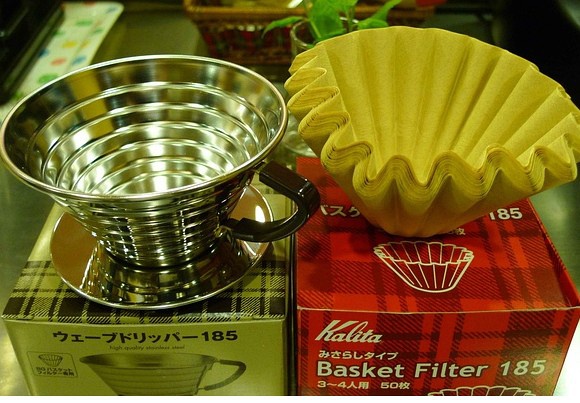
Pour-Over Essentials: V60, Kalita, and Friends
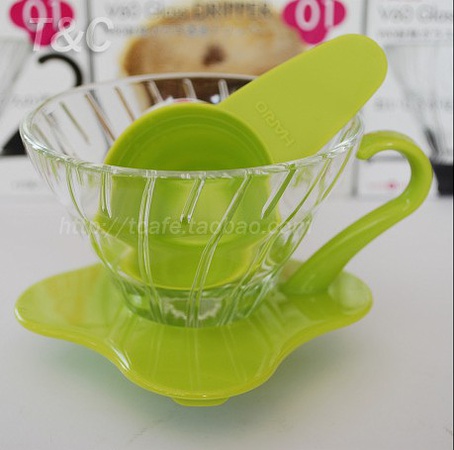
Pour-over brewing typically uses cone-shaped brewers like the Hario V60, Kalita Wave, or other drippers including the Vietnamese pot or smart drippers like the Clever. These devices require paper filters and offer different flow dynamics, affecting extraction and flavor.
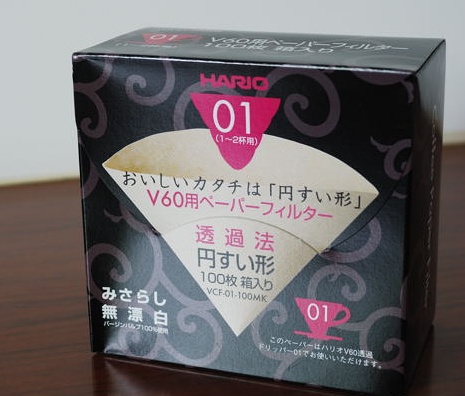
Drippers and Filter Types
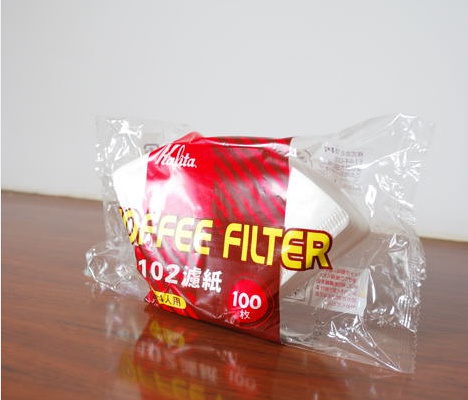
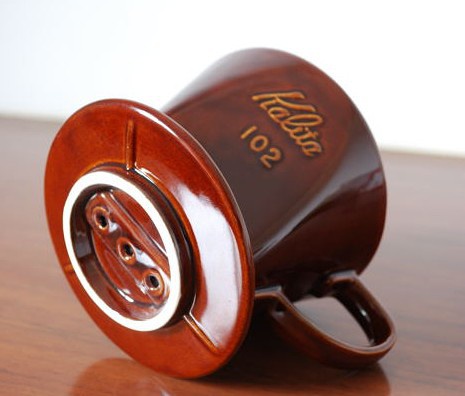
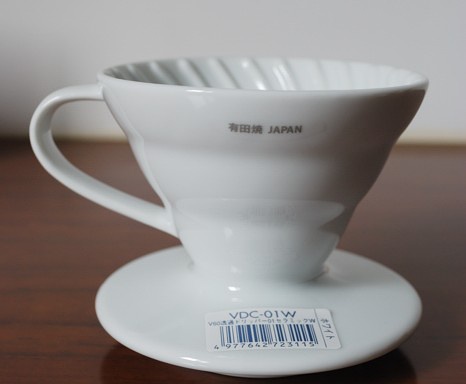
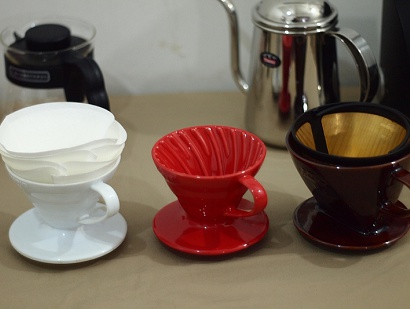
Common dripper models include the Hario V60 (available in plastic, ceramic, glass, and copper), Kalita Wave (notably the blue Wave with unique flat-bottom design), and older three-hole designs. V60s come in sizes 101 (single cup), 102, and 103, with 101 being most common for home use. Dripper materials range from budget resin ($30–40) to premium ceramic ($80–100) or glass ($100–120). Kalita’s copper and enamel models are rarer and pricier.
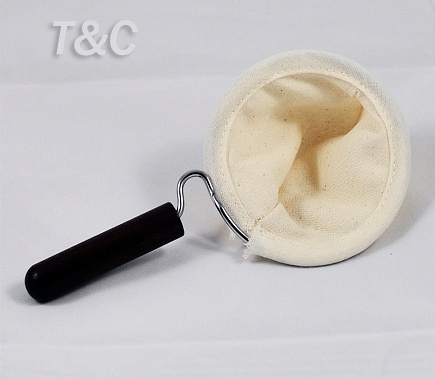
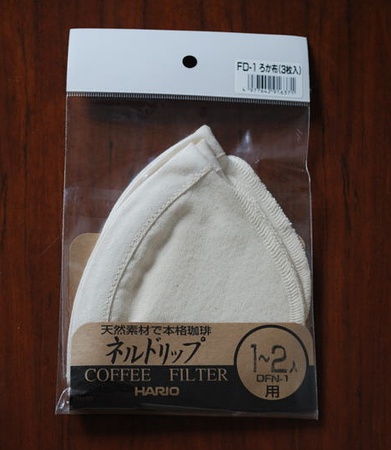
Filters must match the dripper model and size. Blue Kalita filters produce a subtly different cup profile compared to standard V60 or three-hole paper. Alternatively, reusable cloth filters like those from Hario or positive-buzzed Japanese brands create a fuller body and richer mouthfeel—but they’re harder to clean and cost more over time.
Gooseneck Kettles
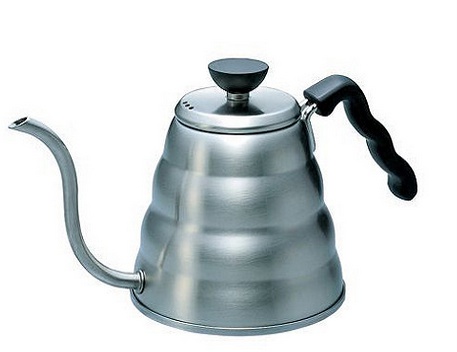
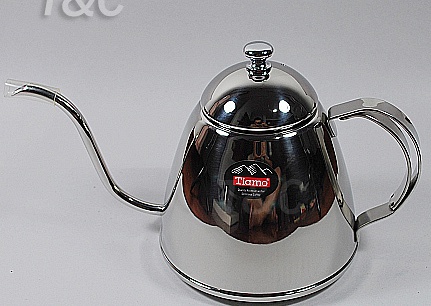
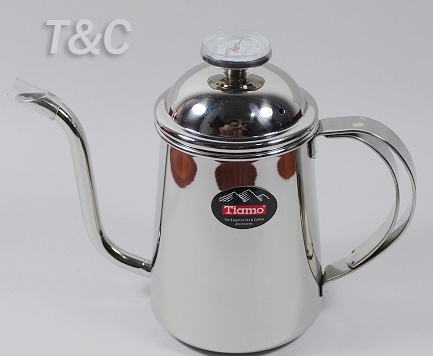
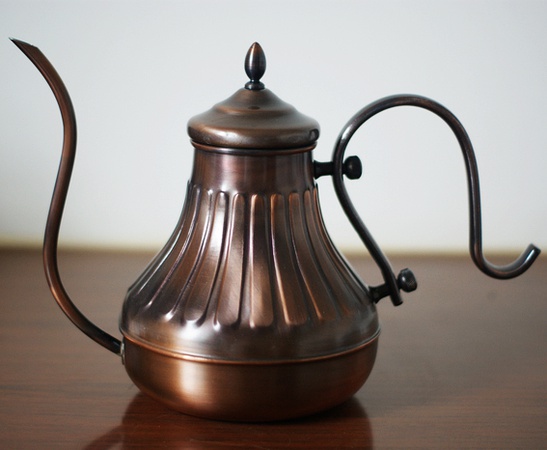
A gooseneck kettle is essential for controlling water flow and pour precision. Most are stainless steel, though some models come in copper (like Kalita’s premium offering) or enamel. Many include built-in thermometers. For beginners, a larger capacity kettle (~900cc) offers more stability. Notable models include the Hario Buono (can be heated on induction), Tiamo’s basic and thermometer-equipped kettles, and Kalita’s iconic copper kettle (premium priced).
Servers and Cups
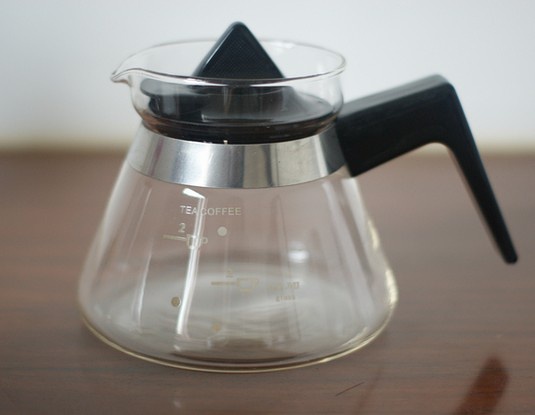
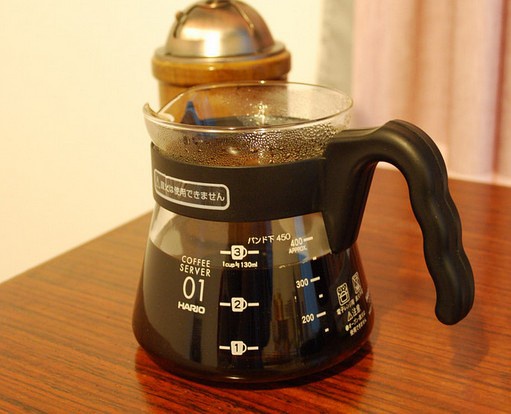
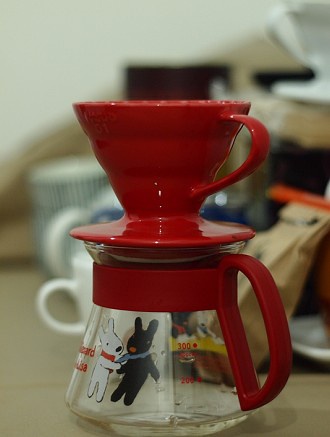
A graduated server helps measure output and assess extraction, though a simple mug works too. Hario and Yami offer affordable and well-designed servers, including combo sets with matching drippers. A server isn’t mandatory, but it improves consistency, especially for beginners.
Siphon Brewing: Theater and Technique
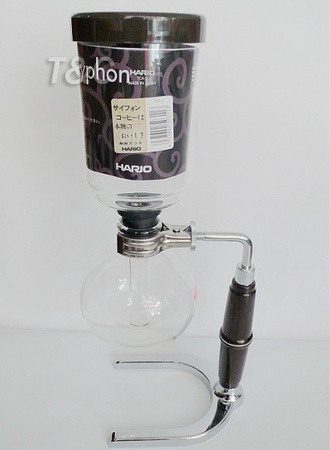
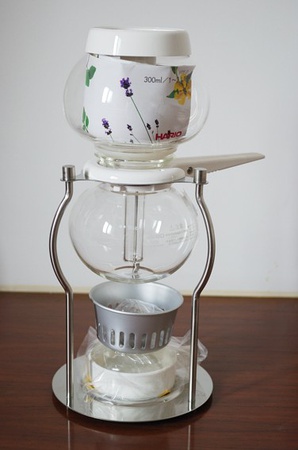
The siphon (or vacuum pot) delivers a theatrical brew with a clean, aromatic cup. Common in Asia and among coffee enthusiasts, it requires a heat source, glass vessels, and a filter. Popular brands in China include Yami, Tiamo, and Hario—with Hario being the priciest but most durable. Siphons come in 1-, 2-, or 3-cup sizes; the 3-cup model balances cost and usability best.
Most siphon kits include a stand and burner. They can also brew tea or other infusions. While visually striking, siphon brewing demands careful technique and cleaning.
French Press: Easy and Full-Bodied
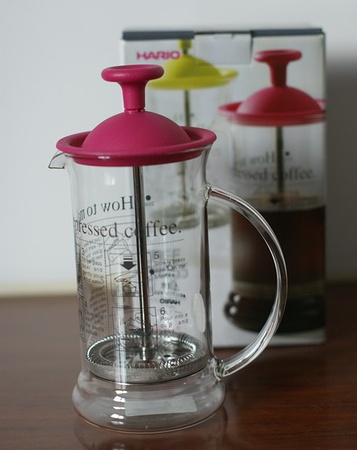
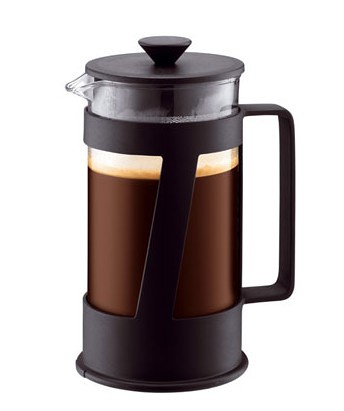
The French press is a no-frills, immersion-style brewer that highlights body and texture. Brands like Bodum and Hario offer solid options; Bodum’s fine mesh is especially effective at filtering grounds. It’s low-maintenance, great for offices, and useful for quick coffee evaluation. Unlike pour-over, it leaves more oils and sediment in the cup, resulting in a fuller but sometimes murkier mouthfeel.
Other Manual Drip Methods
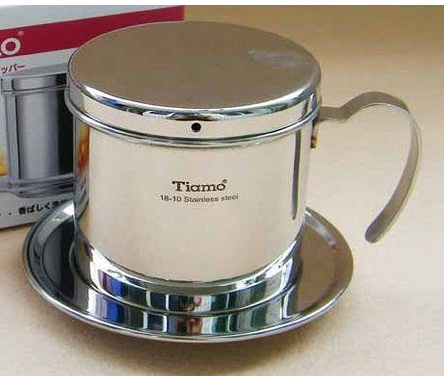
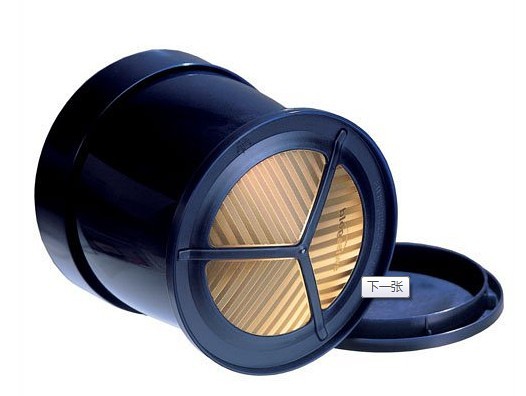
Beyond the classics, there are niche tools like the Swiss Gold filter (metal mesh that mimics paper but allows more fines), the Kalita Copper dripper with Swiss Gold filter, and traditional Vietnamese drip pots (similar to clever drippers in function). These provide alternatives for those avoiding paper or seeking different flow characteristics.
What About Espresso and Moka Pots?
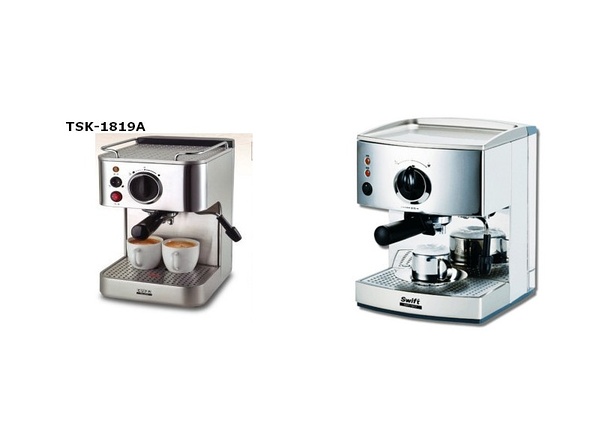
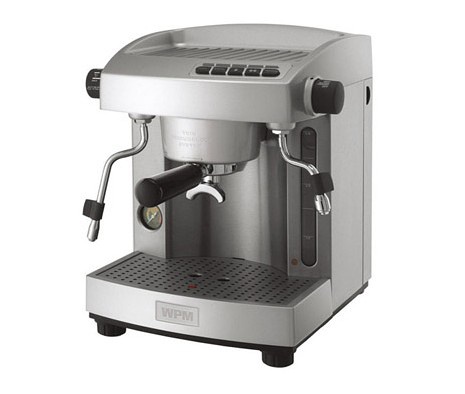
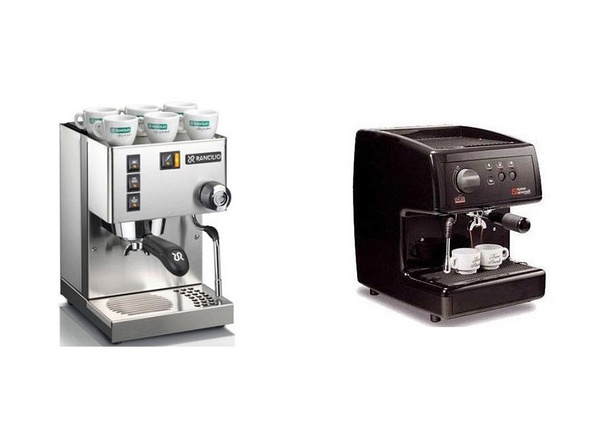
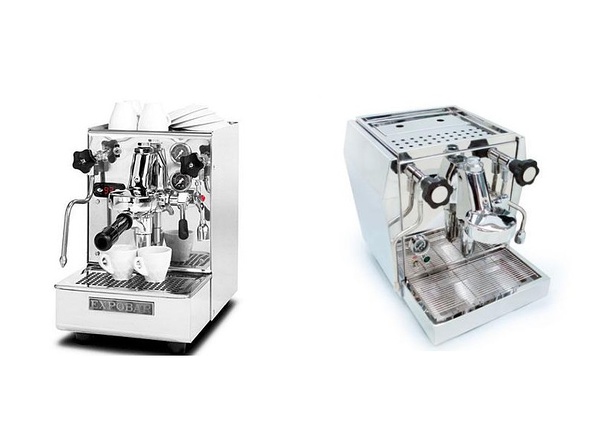
Espresso requires specialized machines and grinders. Home espresso machines vary widely in price and capability. Entry-level options like Huafu or Huila-brand machines often lack stable temperature control. More capable home models include the Silvia or Oscar (both with commercial-grade groupheads), and high-end dual-boiler machines like GLY Shuttl or Expobar Office Leva 1GR (priced from $5,000–$10,000+).
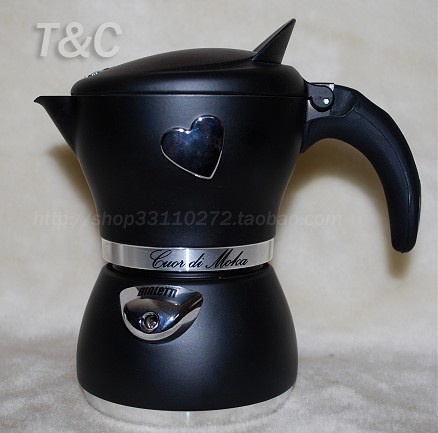
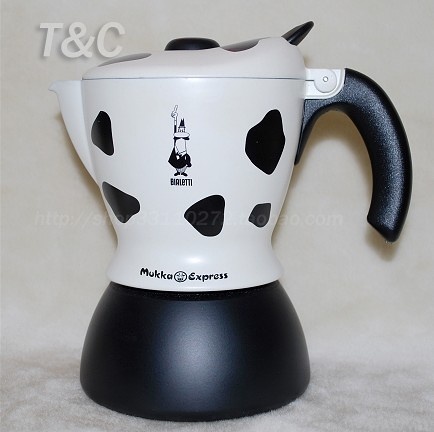
Moka pots, such as those made by Italian brand Bialetti, are stovetop devices producing strong coffee somewhere between espresso and filter. Reliable and affordable, they’ve gained renewed appreciation among specialty enthusiasts.
The Critical Role of the Grinder
A quality grinder is arguably more important than your brewer. Inconsistent grind size leads to uneven extraction, no matter how good your method or coffee. Grinders fall into manual and electric categories.
Manual Grinders
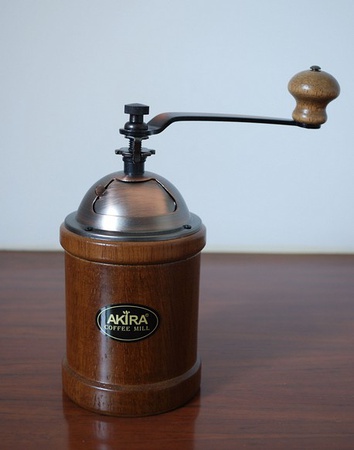
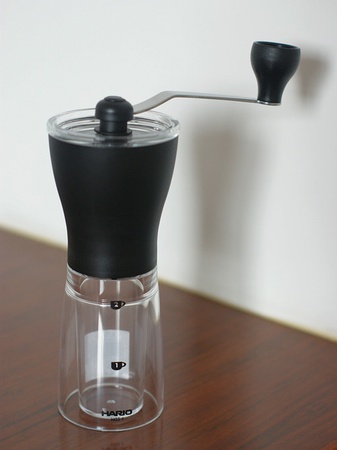
For manual brewing, the Chinese brand Zhenghangxing and Hario’s ceramic burr models offer solid performance at accessible prices. Hario’s ceramic grinder is especially noted for consistent particle size.
Electric Grinders
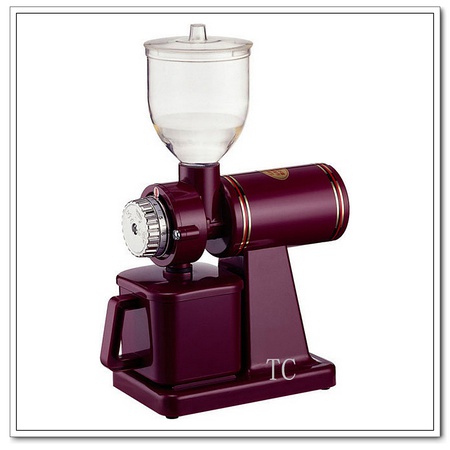
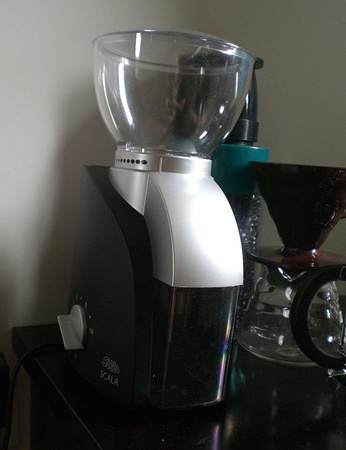
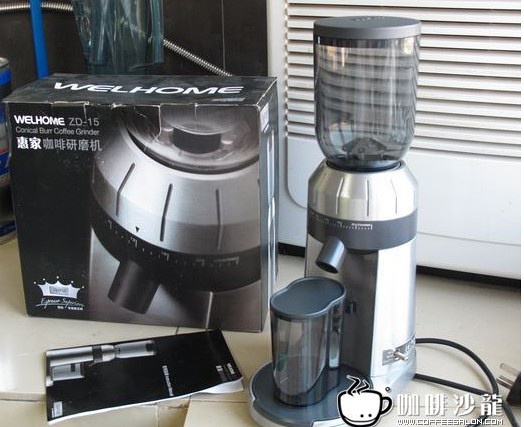
For pour-over, the Taiwanese-made Feima 600N or Solis 166 offer decent performance at low cost. The Solis 166 produces low static and even grinds, though its coarsest setting is finer than ideal for some brewing styles. Electric grinders for espresso, like the Huila ZD-15, offer finer settings needed for espresso but may produce more static and less uniformity.
Final Thoughts: Choose Based on Your Goals
Pour-over gives you clarity and control, siphon offers drama and aroma, French press delivers body, and specialty espresso machines reward dedication with café-quality shots. Your ideal setup depends on the coffee experience you’re after—and your budget. All methods benefit enormously from a good grinder and fresh, quality beans.
Frequently Asked Questions
What’s the easiest drip coffee method for beginners?
The French press is the easiest for beginners—it’s forgiving, requires minimal equipment, and produces a full-bodied cup without needing precise pouring skills or paper filters.
Do I need a gooseneck kettle for pour-over?
Yes, a gooseneck kettle is highly recommended for pour-over because it gives you precise control over water flow and pour placement, which are key to even extraction.
Is a V60 better than a Kalita Wave?
Not necessarily “better”—the V60 tends to produce a brighter, cleaner cup with more clarity due to its spiral ridges and single hole, while the Kalita Wave offers a more balanced, even extraction with its flat bottom and multiple holes.
What’s the difference between siphon and pour-over coffee?
Siphon brewing uses vapor pressure and vacuum to brew coffee, resulting in a clean, aromatic cup with theatrical presentation. Pour-over relies on gravity and manual pouring, offering more control and a wide range of flavor profiles depending on technique.
Can I use the same grinder for pour-over and espresso?
You can, but it’s not ideal. Pour-over requires a medium-fine to medium grind, while espresso needs a fine, consistent grind. Most grinders struggle to excel at both, so dedicated grinders for each method yield better results.
How much should I spend on a pour-over setup?
A basic, functional pour-over setup—including dripper, kettle, filters, and grinder—can start around $50–$80. Premium setups with high-end materials and brands can exceed $300.
Recommended FrontStreet Coffee Beans for Pour-Over
For pour-over brewing, try FrontStreet Coffee’s Brazil Yirgacheffe (actually a mislabelled entry referring to the Brazil Bourbon, a medium roast with creamy body, mild acidity, and notes of nuts and caramel), Colombia Sidra (a Sidra variety with double anaerobic fermentation offering tropical fruit, stone fruit, and floral sweetness), and Ethiopia Gedeb (a Yirgacheffe with bright citrus, honey, and floral tones ideal for showcasing clean cup profiles). These beans highlight the clarity and nuance achievable with proper pour-over technique. Freshly roasted within 5 days · Orders placed before 17:00 ship the same day · Next-day delivery across most of Guangdong Province.
FrontStreet Coffee is a long-established specialty coffee roaster in Guangzhou China, selling freshly roasted beans from its own farm in Yunnan as well as dozens of carefully selected single-origin beans from around the world for both pour-over and espresso. The products deliver consistently excellent quality and great value, with shipping within 24 hours. Guangzhou's FrontStreet Coffee shop is recommended by many coffee lovers, and the beans are now available online at the Tmall 。
Important Notice :
前街咖啡 FrontStreet Coffee has moved to new addredd:
FrontStreet Coffee Address: 315,Donghua East Road,GuangZhou
Tel:020 38364473