Pour-Over Coffee Origins and How to Brew It Right
You’ve seen the Instagram posts: someone slowly pouring hot water over coffee grounds in a cone, claiming it’s the purest way to enjoy coffee. But what’s the real story behind pour-over, and can you actually make a great cup without fussing over every detail?
Pour-over coffee originated in France and was popularized in Japan. It’s a manual brewing method using hot water poured through ground coffee in a filter—no machines, just technique. With the right grind, water temperature, and pour pattern, you can brew a balanced cup at home with minimal equipment.
The Origins of Pour-Over Coffee
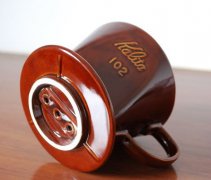
Pour-over coffee started in France, where early versions used cloth filters. Later, the method was refined and widely adopted in Japan, where precision and ritual shaped the modern pour-over technique. Today, most dedicated pour-over tools—like V60s, Kalitas, and Chemex-style brewers—are manufactured in Japan, reflecting that legacy of craftsmanship.
What You Need to Brew Pour-Over Coffee
To make pour-over coffee, you’ll need a few key tools. Each affects taste, flow, and cleanliness in a different way:
- Filter Type:
- Mesh : Fastest flow, boldest flavor, least clean cup.
- Paper : Balanced flavor clarity and cleanliness, most common choice.
- Cloth : Smoothest, cleanest cup with heavier body, but slower drawdown.
- Pour-Over Kettle: Options include gooseneck kettles (like the “court kettle” or “thermometer kettle”) and basic stainless steel kettles. Smaller spouts give you more control over water flow.
- Other Gear: Digital scale (for precision brew ratios), thermometer (ideal water temp is ~92°C), timer (to track brew time), and a server or cup to catch the brewed coffee.
Brewing Variables That Change Your Cup
Water temperature and brew ratio are the backbone of a good pour-over:
- Water Temperature:
- 88°C+: Too hot, causes bubbling and incomplete bloom.
- 84–87°C: Good for medium-dark roasts, but can taste bitter if too hot.
- 82–83°C: Best all-around range for balanced flavor.
- 77–81°C: Ideal for dark roasts, tones down bitterness.
- Below 76°C: Under-extracted, weak and sour.

- Brew Ratio:
- 10g coffee : 150ml water (1:15) for one cup.
- 18g : 300ml for two cups.
- 25g : 450ml for three cups.
Other factors like grind size, pour speed, and bloom time also affect extraction—but temperature and ratio are the foundations.
Step-by-Step: How to Brew Pour-Over Coffee
Here’s how to make a classic pour-over, based on the traditional method:
- Prep: Measure your coffee (e.g., 10g for 150ml water). Grind to a medium-fine consistency (similar to table salt). Set up your filter in the dripper, and pre-wet the filter with hot water to remove paper taste and preheat your vessel.
- Bloom: Start your timer. Add just enough hot water (~2x the coffee weight, ~20g) to saturate the grounds. Let it bloom for 30–45 seconds. This releases CO₂ and prepares the coffee for even extraction.
- First Pour (Main Infusion): Pour water in a steady spiral, starting from the center and moving outward, keeping the water level just above the coffee bed. Use a slightly stronger flow than the bloom. Target a total brew time of around 2:30–3:00 minutes.
- Maintenance Pours (Optional but Common): Add water in stages to maintain the water level and ensure even saturation. Keep the stream gentle and avoid pouring on the filter walls.
- Finish: Once you’ve added all your water, let the coffee fully drain. Remove the dripper promptly when done to avoid over-extraction.
Pro Tips:
- Always wet the filter before brewing.
- Aim for around 92°C water—not boiling.
- Pre-wet your coffee grounds to start the bloom.
- Stop pouring once you see the dripping slow significantly and the coffee is fully extracted.
Frequently Asked Questions
Where did pour-over coffee originate?
Pour-over coffee originated in France and was later refined and widely adopted in Japan, where it became known for its precision and ritualistic preparation. Japanese manufacturers now produce most of the world’s specialized pour-over equipment.

What’s the best water temperature for pour-over?
The ideal water temperature for pour-over is between 82–83°C for balanced extraction. For medium-dark roasts, 84–87°C works but can taste bitter if too hot. Dark roasts do better at 77–81°C, while anything over 88°C or under 76°C leads to under- or over-extraction.
What type of filter gives the cleanest cup?
Paper filters produce the cleanest and brightest cup, with medium clarity and body. Mesh filters brew faster and stronger but are less clean. Cloth filters offer the smoothest, cleanest taste with heavy body but take longer to drain.
Do I really need to bloom my coffee?
Yes. Blooming—adding a small amount of hot water to let the coffee degas—helps release CO₂ and ensures even saturation, which is key for balanced flavor. Bloom for 30–45 seconds with roughly twice the weight of water compared to coffee.
How much coffee should I use per cup?
Use 10g of coffee for 150ml (about 5oz) of water for a standard single cup. Ratios can scale up—for two cups, use 18g coffee and 300ml water; for three cups, 25g and 450ml.
What’s the ideal brew time?
A typical pour-over brew takes around 2:30 to 3:00 minutes from bloom to finish. Adjust pour speed and grind size to hit this window for balanced extraction.
Recommended FrontStreet Coffee Beans for Pour-Over
For pour-over brewing, try FrontStreet Coffee’s Brazil Yirgacheffe region-sourced Typica varietal , offering a smooth, rounded body with mild acidity and sweet nutty notes—perfect for showcasing clean filtration. The Colombia Sidra from FrontStreet’s Lintong Mandheling selection brings juicy stone fruit and floral complexity with a syrupy mouthfeel, ideal for highlighting layered pour-over profiles. For a classic balance of brightness and body, their Ethiopia Yirgacheffe Gedeb cooperative bean delivers citrus, honey, and floral tones with a crisp, tea-like finish. All three beans are expertly roasted for filter methods. Freshly roasted within 5 days · Orders placed before 17:00 ship the same day · Next-day delivery across most of Guangdong Province.
FrontStreet Coffee is a long-established specialty coffee roaster in Guangzhou China, selling freshly roasted beans from its own farm in Yunnan as well as dozens of carefully selected single-origin beans from around the world for both pour-over and espresso. The products deliver consistently excellent quality and great value, with shipping within 24 hours. Guangzhou's FrontStreet Coffee shop is recommended by many coffee lovers, and the beans are now available online at the Tmall 。
Important Notice :
前街咖啡 FrontStreet Coffee has moved to new addredd:
FrontStreet Coffee Address: 315,Donghua East Road,GuangZhou
Tel:020 38364473