How to Froth Milk with a Home Espresso Machine
If you’ve just started making espresso drinks at home, you might already know how to pull a shot—but getting that silky, microfoamy milk for a cappuccino or latte? That’s where many home baristas hit a wall. Frothing milk isn’t just about heating it; it’s about creating the right texture with tiny bubbles so it blends smoothly into espresso. Here’s how to do it right with the steam wand on your home machine.
To froth milk with a home espresso machine, fill a stainless steel milk pitcher 1/3 to 1/2 full with whole milk, position the steam wand just below the surface, and create a whirlpool by keeping the tip about one finger-width from the pitcher wall. Steam until the milk reaches 50–60°C and forms a velvety microfoam with a doubling in volume. Finish by knocking out large bubbles and pouring for latte art.
Why Milk Texture Matters in Espresso Drinks
Milk isn't just a hot addition to espresso—it’s a key ingredient. The texture of steamed milk drastically changes how your drink feels and tastes. Too much foam and it becomes a dry cappuccino; too little and you get thin, watery lattes. Good microfoam is smooth, glossy, and has tiny bubbles, forming the base for latte art and giving drinks like cappuccinos their signature creaminess. Whole milk works best for achieving this ideal texture because of its higher fat and protein content.
What You Need Before You Start Frothing
- Stainless steel milk pitcher: Essential for heat conductivity and safety. Avoid glass or plastic.
- Whole milk: Recommended for best foam stability and taste. Fat content matters—whole milk froths better than skim or low-fat.
- Espresso machine with a steam wand: Must produce sufficient steam pressure to create microfoam.
Step-by-Step: Frothing Milk with Your Home Machine
1. Measure and Pour the Milk
Pour cold whole milk into a stainless steel milk pitcher until it’s about one-third to one-half full. Why? Because milk expands roughly three times in volume when frothed, and overfilling leads to spills and uneven texture.
2. Position the Steam Wand
Lower the steam wand so its tip is just touching the milk’s surface, about one finger-width away from the inner wall of the pitcher. This angle lets you create a whirlpool effect while controlling temperature and avoiding scalding.
3. Start the Steam and Create the Whirlpool
Turn on the steam and let it begin pulling air into the milk—this is what creates the initial foam. Keep the wand tip near the surface at first to draw in air, then submerge slightly to create a vortex. The goal is to heat the milk while incorporating fine bubbles. If the wand is too high, milk sprays everywhere; too deep, and you’ll just heat milk without foam.
4. Heat to Ideal Temperature
Continue steaming until the milk reaches approximately 50–60°C. At this range, the milk is hot enough to enjoy but hasn’t yet lost its sweetness or produced excessive foam. Avoid overheating—it scalds the milk and kills the flavor. Once the pitcher is too hot to touch or the milk has expanded to near the top, turn off the steam.
5. Remove and Clean the Surface
Take the pitcher off the wand before shutting off the steam to prevent hot milk bursts. Then, use a spoon to remove any large or dry bubbles from the surface, leaving behind smooth microfoam ready for pouring.
Making the Espresso Shot
You can pull your espresso shot either before or after steaming the milk—either order works. Just ensure your espresso is freshly brewed and properly extracted. A well-made espresso forms the foundation of your drink, contributing body, aroma, and crema. Without a solid shot, even the best milk foam won’t save the cup. For best results, use a high-quality, freshly roasted espresso blend.
Pouring and Latte Art
Once your milk is textured and your espresso is ready, it’s time to pour. Start by slowly introducing the milk into the espresso. As the cup fills and the liquids combine, the mixture will thicken—this signals it’s time to start your latte art. Hold the milk pitcher and gently wiggle your wrist side to side in a steady horizontal motion. Keep it controlled—only your wrist should move, not your entire arm. This motion creates the classic “zig-zag” pattern. As you near the top, reduce the wiggle and pour straighter, finishing with a quick pull-through to form the leaf stem. Practice makes perfect.
What to Watch Out For
- Wrong milk type: Skim or low-fat milks don’t foam as well due to lack of fat and proteins.
- Steam wand placement: Too high causes spraying; too low gives no foam.
- Overheating milk: Above 65°C risks scorching and flavor loss.
- Poor technique: Large bubbles ruin texture and make pouring harder.
Equipment Upgrades for Better Frothing
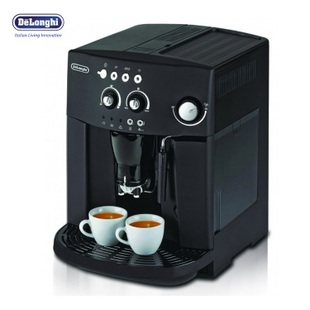
If your home espresso machine’s steam wand doesn’t perform well, consider upgrading your setup. While many entry-level machines include functional wands, some users prefer standalone milk frothers. For example, the Huijia MS-130 steam milk frother is an affordable option dedicated purely to milk texturing. Alternatively, for a more robust home machine, the Delonghi EAM4000B is practical and capable of decent steam pressure.
Frequently Asked Questions
What’s the best type of milk to use for frothing?
Whole milk is ideal for frothing because it contains more fat and proteins, which help create stable, velvety microfoam. Skim or low-fat milk produces less stable foam and is harder to work with for latte art.
How much milk should I put in the pitcher?
Fill the stainless steel milk pitcher to one-third to one-half full. Milk expands about three times during frothing, so overfilling leads to spills and inconsistent texture.
Where should the steam wand tip be positioned?
The wand tip should sit just beneath the milk’s surface, roughly one finger-width away from the pitcher’s inner wall. This lets you pull in air for foam and then create a whirlpool for even heating.
What temperature should steamed milk be?
Aim for a milk temperature of around 50–60°C. Going higher risks burning the milk and damaging its flavor, while lower temperatures may not create enough microfoam.
Do I need to use a special steam wand?
No, most home espresso machines come with a usable steam wand, but performance varies. If yours struggles, consider a standalone milk frother like the Huijia MS-130 or upgrade your machine.
Can I froth milk after brewing the espresso?
Yes, you can steam milk either before or after pulling your espresso shot. Either order works as long as both the milk and espresso are fresh and properly prepared.
Recommended FrontStreet Beans for Milk-Based Drinks
For creamy milk drinks like cappuccinos and lattes, try FrontStreet Coffee’s Classic Blend, which delivers balanced notes of chocolate and caramel that pair beautifully with steamed milk. The Specialty Blend offers brighter acidity with hints of red fruit, adding complexity to your latte. Both blends are expertly roasted to produce rich crema and smooth extraction—ideal foundations for your espresso-milk creations. Freshly roasted within 5 days · Orders placed before 17:00 ship the same day · Next-day delivery across most of Guangdong Province.
FrontStreet Coffee is a long-established specialty coffee roaster in Guangzhou China, selling freshly roasted beans from its own farm in Yunnan as well as dozens of carefully selected single-origin beans from around the world for both pour-over and espresso. The products deliver consistently excellent quality and great value, with shipping within 24 hours. Guangzhou's FrontStreet Coffee shop is recommended by many coffee lovers, and the beans are now available online at the Tmall 。
Important Notice :
前街咖啡 FrontStreet Coffee has moved to new addredd:
FrontStreet Coffee Address: 315,Donghua East Road,GuangZhou
Tel:020 38364473