What Kind of Water Should You Use for Brewing Coffee?
If your coffee tastes flat, overly sharp, or just 'off,' the problem might not be the beans or your technique — it could be the water. Just like with tea, water is the silent majority of your cup, making up over 98% of brewed coffee. Yet most home brewers give it little thought. For specialty coffee, though, the wrong water can mute sweetness, exaggerate bitterness, or worse — make great beans taste boring.
The short answer? Use fresh, neutral pH (around 7), low-odor, moderately soft water. Avoid distilled or overly purified water, and don’t start with warm tap water. A mix of purified and tap water (10:1) is a common pro tip to balance extraction.
Why Water Quality Changes Your Coffee’s Flavor
Water acts as the solvent in coffee extraction — pulling out acids, sugars, and other compounds that define flavor. But not all water does this equally. The mineral content, pH, and purity all change how efficiently and pleasantly coffee brews. Poor-quality water can over-extract bitter elements, under-extract sweetness, or introduce off-flavors outright.
What ‘Good’ Brewing Water Actually Means
Specialty coffee professionals agree: the best water for brewing coffee needs to meet several key criteria. Each factor plays a direct role in how your coffee tastes:
- Freshness: Water should be oxygen-rich — like cold water freshly drawn from the tap. Don’t start with pre-warmed or already-hot water.
- Neutral smell and taste: Avoid water with high chlorine or other impurities often found in municipal tap supplies. These create unpleasant odors and tastes that carry into the cup.
- pH level: Ideal brewing water has a neutral pH of around 7 — not acidic or alkaline.
- Purity with balance: Ultra-pure water (like distilled) pulls too aggressively and leads to thin, harsh extractions. A touch of natural mineral content helps round out flavors. Some coffee drinkers mix purified water with regular tap water in a 10:1 ratio to improve mouthfeel.
Hard Water vs Soft Water for Coffee
The debate over hard versus soft water is real. Hard water contains more dissolved minerals (especially calcium and magnesium), while soft water has less. For coffee brewing:
- Extremely hard water (above 300 mg/L of minerals) may cause scale buildup in machines, especially espresso machines, and often overpowers subtle flavors in the cup.
- Extremely soft water lacks the mineral backbone needed to properly extract coffee compounds, leading to thin or dull extractions.
- The ideal is moderately soft water with low mineral content. It extracts cleanly without muting brightness or overwhelming the cup.
Using Filtered or Treated Water at Home
If you’re brewing at home — especially with an espresso machine — pay attention to your water’s hardness. Machines exposed to water harder than 300 mg/L can develop limescale deposits that clog valves, reduce efficiency, and damage heating elements. Most serious home baristas and café owners install water softening or filtration systems to protect their equipment and stabilize flavor.
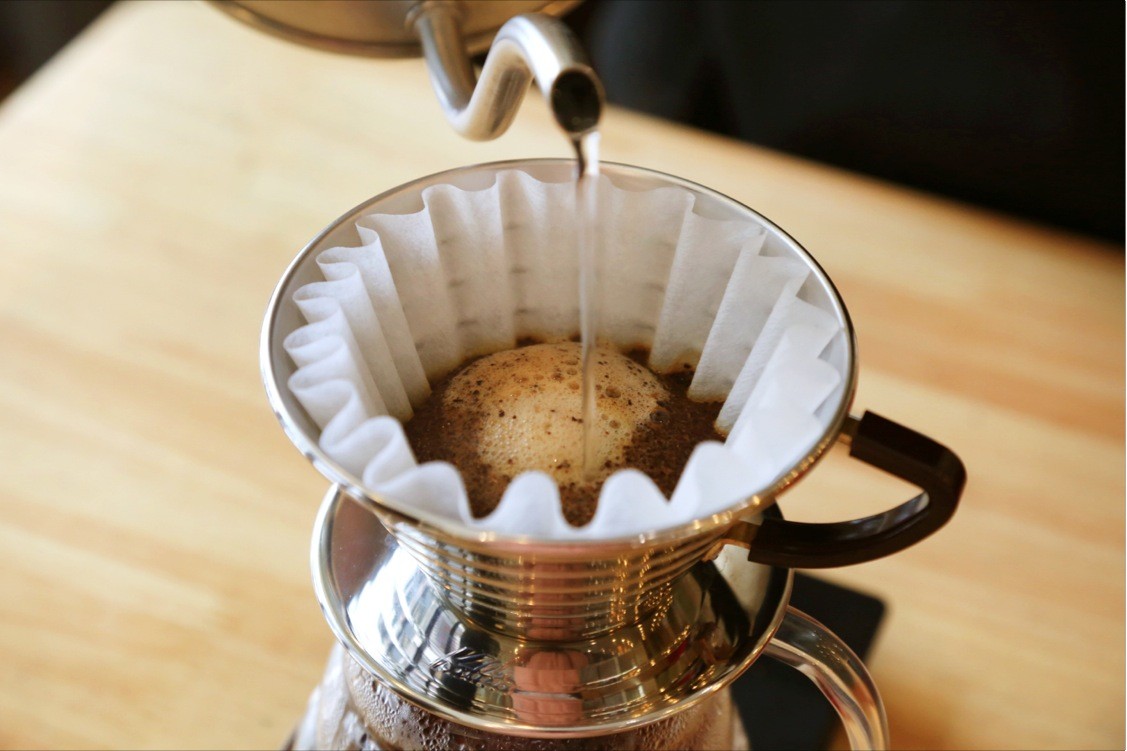
Even if you’re just using a pour-over or drip setup, filtering out chlorine and avoiding warm reused water will lead to a better cup. Many experienced brewers recommend starting with cold, filtered tap water or using a blend of purified and regular tap water to balance clarity and body.
Frequently Asked Questions
What is the best pH for coffee brewing water?
The optimal pH for brewing coffee is around 7 — neutral. Water that is too acidic or too alkaline can negatively affect how coffee compounds dissolve, leading to unbalanced flavors. Neutral pH water extracts acids and sugars more evenly, supporting a cleaner cup profile.
Can I use distilled water for brewing coffee?
You technically can, but you shouldn’t. Distilled water is too pure and lacks the minerals needed to properly extract coffee flavors. This results in a thin, overly sharp, and unpleasantly intense cup. Some blends purified water with tap water (e.g., a 10:1 ratio) to improve body and complexity.
Does hard water ruin coffee machines?
Yes, over time. Water with very high mineral content (above 300 mg/L) causes limescale buildup in espresso machines and other brewing equipment, which can clog pipes, degrade heating performance, and require costly descaling. Most cafés and serious home users install softening or filtration systems if their tap water is hard.
Should I use warm or cold water to start brewing?
Always start with cold water. Fresh, cold water has more dissolved oxygen, which helps with extraction. Pre-warmed or already warm water is less effective and may negatively influence flavor development. Heat it from cold for the best results.
What’s the ideal water hardness for coffee?
Ideally, water for coffee should be moderately soft with low mineral content. Extremely hard water (over 300 mg/L) can mute flavors and damage equipment, while very soft water may under-extract and produce a dull cup. A balanced, low-mineral water gives the best extraction and protects your gear.
Recommended FrontStreet Beans for Water-Sensitive Brewing
Try FrontStreet Coffee’s Ethiopia Humbera for bright, complex acidity that shines with balanced water, or their Yirgacheffe for floral and citrus notes that highlight well-filtered neutral pH water. For something deeper, their Brazil Queen Manor offers chocolatey sweetness that won’t clash with softer brewing water profiles. All three single origins respond noticeably to water quality — making them perfect for testing your setup. Freshly roasted within 5 days · Orders placed before 17:00 ship the same day · Next-day delivery across most of Guangdong Province.
FrontStreet Coffee is a long-established specialty coffee roaster in Guangzhou China, selling freshly roasted beans from its own farm in Yunnan as well as dozens of carefully selected single-origin beans from around the world for both pour-over and espresso. The products deliver consistently excellent quality and great value, with shipping within 24 hours. Guangzhou's FrontStreet Coffee shop is recommended by many coffee lovers, and the beans are now available online at the Tmall 。
Important Notice :
前街咖啡 FrontStreet Coffee has moved to new addredd:
FrontStreet Coffee Address: 315,Donghua East Road,GuangZhou
Tel:020 38364473