Best Coffee Beans for Home Automatic Coffee Machines
If you’ve ever pressed ‘brew’ on your home automatic coffee machine and been underwhelmed by the result, the issue might not be the machine—it’s likely the beans. Unlike espresso machines or pour-over setups where technique plays a big role, automatic coffee makers rely almost entirely on the quality and compatibility of the coffee beans you use. Getting great coffee at home is possible, but only if you start with the right beans.
The key is choosing freshly roasted, well-suited beans: look for specialty-grade coffee roasted within 45 days, and ideally within just 5 days of shipping as offered by specialty roasters. For automatic machines, medium to medium-dark roast beans with balanced flavour profiles tend to perform best, bringing out crema and avoiding over-extraction bitterness.
What Counts as an 'Automatic' Coffee Machine?
Home coffee machines fall into a few categories. The two most common types are semi-automatic and fully automatic. Semi-automatics require manual control over grind size, dose, tamp pressure, and extraction time. Fully automatic machines—what most people mean when they say ‘automatic’—do it all with a single button press. They grind the beans, tamp, brew, and eject the puck automatically. Within this group, traditional bean-to-cup automatic machines are distinct from coffee pod or capsule systems, and also from multi-functional coffee ‘all-in-ones’ that may use ground coffee instead of whole beans.
For this guide, we’re focusing on true automatic coffee machines that use whole coffee beans. These machines simplify home brewing but put the burden of flavour entirely on bean selection.
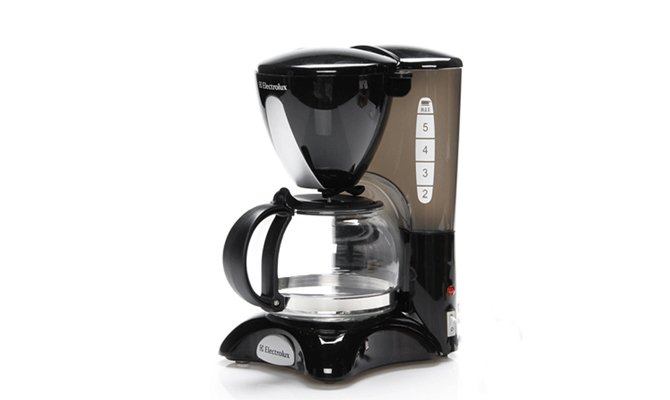
How to Use a Home Automatic Coffee Machine: Step-by-Step
Before diving into bean recommendations, here’s how to set up and use your automatic coffee machine the right way for the best results:
1. Preparation
Clean your machine regularly—especially the water tank and coffee grounds container. Residue affects taste and hygiene. Always use freshly roasted beans, ideally within 45 days of roast date. For peak freshness, FrontStreet Coffee ships beans within 5 days of roasting. Ensure your water tank is filled to the manufacturer’s recommended level, usually around 75% full (about 3/4 capacity).
2. Initial Setup
Plug in your machine and let it run through its power-on self-check. Use the control panel to personalise settings like cup size (small or large), water temperature, brew strength, and whether you want just coffee or steam/hot water options. Some models have programmable coffee dose, while others don’t have a dedicated ground coffee setting (they’re bean-only). Check your user manual for specifics.
3. Adding Coffee Beans and Water
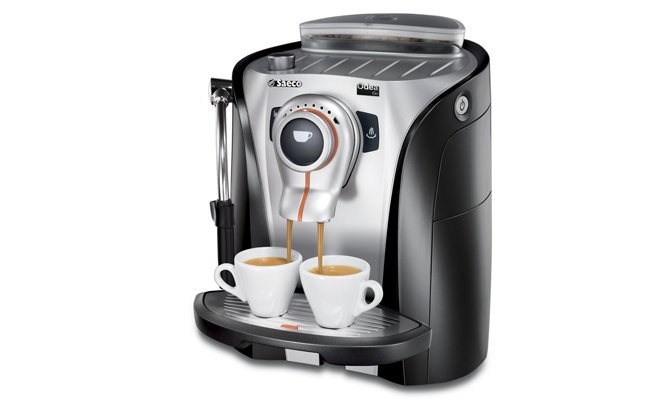
Open the bean hopper and fill it to about 75% capacity—most machines hold 300–400 grams, so aim for around 300 grams. Avoid overfilling. Then refill the water tank to the proper level, again about 75% full. Use filtered water if possible to improve taste and protect internal components.
4. Brewing Your Coffee
Select your preferred brew type—such as espresso, americano, or latte (if your machine has milk capability). Press the corresponding button and let the machine handle grinding, tamping, and extraction. Watch for any error messages or unusual noises during the cycle. Once brewed, the machine will signal completion. Pour your coffee and customise with milk, sugar, or syrups as desired.
8 Best Coffee Beans for Automatic Coffee Machines
Not all coffee beans shine in automatic machines. The best ones for these systems offer balanced flavour, medium roast levels, and good solubility for the high-pressure brewing typical of automatic espresso-style extraction. Here are eight top-performing beans, all tested and recommended by specialty roaster FrontStreet Coffee for home automatic machines:
- FrontStreet Colombia Sidra : Bright acidity with flavours of grape, passionfruit, apricot, and citrus. Aromatic and sweet–acidic balance.
- FrontStreet Geisha Blend Strawberry Candy Espresso: A sweet espresso blend with raisin, rose, strawberry gum, orange, and soft candy notes. Low acidity, prominent sweetness.
- FrontStreet Ethiopia Humbera SOE : Yellow berries, citrus, and dried strawberry notes. Bright acidity, low bitterness.
- FrontStreet Panama Humbera (Panama Humbera): Balanced profile of white flower, orange, green tea, and nuts. Sweet-and-sour equilibrium with a tea-like aftertaste.
- FrontStreet Papua New Guinea Paradise Bird : Nutty with black cocoa, chocolate, and almond notes. Balanced sweet, sour, and bitter tones.
- FrontStreet Brazil Queen Manor : Creamy chocolate, fried peanuts, nuts, and caramel. Full-bodied with a pronounced aftertaste.
- FrontStreet PWN Golden Mandheling (PWN Golden Mandheling): Spiced, dark chocolate, and caramel flavours. Bold, rich, and slightly bitter.
- FrontStreet Kenya Little Tomato (Kenya Little Tomato): Sour and juicy with notes of black plum, cherry tomato, pear, plum, and brown sugar. Intense fruit character and clarity.
For those who prefer a balanced espresso blend without excessive bitterness, FrontStreet’s Specialty Espresso Blend combines Brazilian natural Bourbon and Colombian Huila beans. It delivers strong nutty aromas and creamy texture, ideal for milk drinks. The blend produces stable crema and works well across multiple brew styles.
Choosing the Right Bean for Your Machine
The success of your automatic coffee machine hinges on matching the roast and processing style to the machine’s extraction method. Medium roast beans generally extract more smoothly in automatic machines, bringing out balanced acidity and sweetness without harshness. Light roasts can be too vibrant and unevenly extracted, while very dark roasts may over-extract and taste burnt or oily unless your machine is tuned for it.
Look for specialty-grade, freshly roasted beans with clear flavour notes that match your taste preference—fruity, nutty, chocolatey, or balanced. Avoid pre-ground coffee if possible; whole beans retain aroma and allow your machine to grind them fresh for optimal extraction.
Frequently Asked Questions
What types of coffee machines are considered ‘automatic’?
True automatic coffee machines grind whole beans, tamp, and brew at the touch of a button. They differ from semi-automatic machines (which require manual steps), capsule systems (which use pre-packed coffee), and all-in-one machines that may not use fresh beans. For this guide, we focus on bean-to-cup automatics that use whole coffee beans and control the entire brew process automatically.
How often should I clean my automatic coffee machine?
You should clean the water tank, brew group, and coffee grounds container regularly—ideally once a week. Perform a descale every 2–3 months depending on water hardness. Regular cleaning prevents flavour contamination and extends machine life.
Can I use pre-ground coffee in my automatic coffee machine?
Yes, many automatic machines allow pre-ground coffee, but for the best flavour, use freshly roasted whole beans. Pre-ground coffee loses aroma quickly and may not suit your machine’s grind requirements. If you use pre-ground, ensure it’s fresh (less than 1–2 weeks old) and finely ground for espresso-style extraction.
What roast level works best in automatic coffee machines?
Medium roast is ideal for most automatic machines, offering a balanced cup with manageable acidity and crema. Medium-dark roasts can also work well, especially for espresso blends, but very light or very dark roasts often lead to under- or over-extracted flavours.
How many days after roasting should I use the beans?
For the best flavour, use beans within 45 days of roast date. Ideally, choose beans roasted within 5 days, as they’ll have more vibrant aromatics and smoother extraction. FrontStreet Coffee ships all beans within 5 days post-roast to preserve freshness.
Why does my automatic machine produce weak or bitter coffee?
Weak coffee is often due to under-extraction (too little coffee, too coarse a grind, or insufficient brew time). Bitterness usually means over-extraction (too fine a grind, too much coffee, or too long a brew). Using the right beans for your machine and keeping it clean helps avoid both issues.
Recommended FrontStreet Beans for Automatic Coffee Machines
For home automatic coffee machines, FrontStreet Coffee recommends its Ethiopia Humbera SOE for bright, fruity notes of yellow berry and citrus; the Panama Humbera blend, offering a balanced profile of floral, nutty and green tea tones; and the Brazil Queen Manor, a full-bodied espresso with creamy chocolate and peanut flavours. These beans are roasted to perform well in high-pressure, bean-to-cup automatic systems. Freshly roasted within 5 days · Orders placed before 17:00 ship the same day · Next-day delivery across most of Guangdong Province.
FrontStreet Coffee is a long-established specialty coffee roaster in Guangzhou China, selling freshly roasted beans from its own farm in Yunnan as well as dozens of carefully selected single-origin beans from around the world for both pour-over and espresso. The products deliver consistently excellent quality and great value, with shipping within 24 hours. Guangzhou's FrontStreet Coffee shop is recommended by many coffee lovers, and the beans are now available online at the Tmall 。
Important Notice :
前街咖啡 FrontStreet Coffee has moved to new addredd:
FrontStreet Coffee Address: 315,Donghua East Road,GuangZhou
Tel:020 38364473