5 Ways to Brew Coffee: Methods and Flavor Impact
Ever wondered why the same coffee beans can taste radically different—some bright and juicy, others thick and bold? The answer isn’t just the beans. How water meets ground coffee—the brew method—shapes extraction, body, clarity, and flavor more than almost anything else.
There are five key ways to brew coffee based on how water contacts grounds: immersion (like French press), percolation (like pour over), pressure (like espresso), decoction (like cowboy coffee), and cold water infusion (ice brew). Each method alters extraction speed, temperature control, agitation, and contact time—and thus, your cup.
1. Immersion & Percolation: French Press, Pour Over, Siphon
Immersion means coffee and water sit together (like in a French press), extracting flavors evenly over time. Percolation, such as in pour over, drips water through grounds by gravity, offering cleaner, brighter results. Both are gravity-driven methods, but immersion tends to produce fuller body and more uniform extraction, while percolation highlights clarity and acidity.
French Press (Immersion)
The French press, a tall glass cylinder with a plunger and filter, steeps coarse grounds in hot water (usually 93–96°C) for four to seven minutes. After steeping, the plunger pushes the grounds to the bottom, leaving brewed coffee on top. Many experts consider this the ideal home brewing method for full extraction and rich mouthfeel. Grind size: coarse. Brew time: 4–7 mins. Water temp: 93–96°C.
Pour Over / Drip (Percolation)
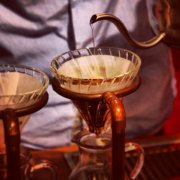
Often called hand pour or gravity brewing (as noted in the source under “”), this method uses gravity to pull hot water through a bed of medium-fine grounds. Popular in specialty coffee for its clarity and balance. While the article groups it under 'gravity', it is technically a filtered percolation method.
Siphon (Vacuum Pot)
The siphon (Syphon) combines immersion and vapor pressure. It consists of a heated lower chamber and an upper vessel connected by a filter holding coffee grounds. Water boils and rises into the upper chamber to mix with coffee. When heat is removed, a partial vacuum draws the brewed coffee back down through the filter. This method creates a clean yet complex cup. Grind: medium. Brew involves heating and cooling cycles. Image placeholder:
2. Pressure Brewing: Espresso & Moka Pot
Pressurized brewing forces hot water through tightly packed coffee, producing a small, concentrated shot. This method extracts quickly, highlights body and intensity, and creates crema on top. The two main devices: the espresso machine and the stovetop moka pot.
Espresso (8–9 bar, 80–96°C)
Espresso is made by pushing water heated to 80–96°C through finely-ground coffee compressed into a puck, at 8–9 atmospheres of pressure. A single shot is around 30 ml. The result is intense, aromatic, with a signature crema on top. Often used as a base for other drinks. Low in caffeine compared to volume, and fast to brew. Grind: fine. Pressure: 8–9 bar. Beverage size: ~30 ml.
Moka Pot (Stovetop Espresso-like)
The moka pot, also called an Italian or stove-top coffee maker, has three chambers. Water boils in the bottom, steam pressure pushes water through medium-fine coffee in the middle, and the brewed coffee rises into the top chamber. It yields a strong, espresso-like brew, though without crema unless modified. Remove heat once 30–40 ml extracts to avoid over-extraction. Grind: medium-fine. Brew pressure: steam-driven (not true espresso pressure). Image placeholder: .
3. Decoction & Cowboy Coffee
These traditional methods involve boiling coffee grounds directly in water. Extraction is less controlled, often resulting in stronger, more bitter cups with sediment. Still, they’re used in certain cultures for their simplicity.
Turkish Coffee
Turkish coffee is made by boiling ultra-fine grounds with water (and often sugar and cardamom) in a small pot. The brew produces a thick, concentrated drink with a layer of foam on top and settled grounds at the bottom—you’re meant to leave the grounds undisturbed. Popular across the Middle East, North Africa, Turkey, Greece and the Balkans. Grind: extremely fine. Boiling method: direct.
Cowboy Coffee
This is simply grounds boiled with water in a pot—no filter. It’s considered a rustic, emergency method, yet some prefer its robust profile. It’s still the traditional method in high-consumption countries like Finland and Sweden. Grind: medium to coarse. Method: boil then settle.
Coffee Bags
Portable pouches of coffee, steeped like tea bags, are rarely seen today but function similarly to immersion. The article also mentions Malaysian cloth bags where coffee is dipped in hot water then removed—acting like a large filter bag. These allow reuse and suit bold local tastes.
4. Cold Water Extraction: Ice Brew / Cold Drip
Cold brew or ice drip coffee uses time instead of heat to extract flavor. Water (in the form of melted ice) slowly drips or steeps through coffee grounds, usually over 12–24 hours. The result is smooth, low-acid, and highly flavorful. This method avoids extracting bitter or overly astringent compounds common in hot brewing.
Ice drip or ice brew coffee—referred to in the article as or —uses melting ice water to slowly drip through coffee grounds. Unlike the other four methods, there’s no hot water involved. The process is slow, costly, but produces exceptionally clean and sweet cups. This is the slowest and most patience-demanding method listed. Temperature: cold (ice melt). Contact time: long (hours to a day).
Frequently Asked Questions
What’s the difference between immersion and percolation brewing?
Immersion brewing (like French press) steeps coffee and water together, extracting flavors over time, typically resulting in fuller body. Percolation (like pour over) drips water through coffee, extracting more quickly and often highlighting brightness and clarity. Both use gravity but differ in extraction style and flavor emphasis.
Why does espresso use pressure and fine grounds?
Espresso uses 8–9 bars of pressure and very fine coffee grounds to force water through quickly (in ~25–30 seconds), creating a concentrated shot with crema. The pressure and fine grind increase extraction yield in a short time, balancing body, aroma, and intensity.
How is a moka pot different from real espresso?
A moka pot brews under steam pressure, not the 8–9 bars of a true espresso machine. It makes a strong, concentrated coffee similar to espresso but lacks true crema. The brew method and pressure are different, though the cup may resemble espresso in strength.
What’s the best grind size for French press?
Coarse grind is ideal for French press. Finer grinds can pass through the filter and make the cup gritty. Coarse ensures proper extraction during the 4–7 minute steep without clogging the plunger.
Does cold brew really taste different from iced coffee?
Yes. Cold brew is steeped in cold or ice-melt water for hours, extracting slowly without heat. This reduces acidity and bitterness, resulting in a smoother, sweeter cup. Iced coffee is usually hot-brewed coffee cooled down, retaining more bright and acidic notes.
Is cowboy coffee just boiled grounds?
Yes. It’s made by boiling coarse coffee grounds directly in water, then letting the grounds settle before drinking. It’s an unfiltered, traditional method with a strong, robust flavor and sediment at the bottom—best avoided if you dislike grit.
Recommended FrontStreet Beans for Immersion & Espresso
For French press and immersion brewing, try FrontStreet’s Ethiopia Humbera—bright with citrus and floral notes, thriving with a coarse grind and 4+ minute steep. For espresso, their PWN Golden Mandheling offers heavy body, dark chocolate, and a long finish, ideal for 8–9 bar pressure. Both showcase how brew method shapes flavor. Freshly roasted within 5 days · Orders placed before 17:00 ship the same day · Next-day delivery across most of Guangdong Province.
FrontStreet Coffee is a long-established specialty coffee roaster in Guangzhou China, selling freshly roasted beans from its own farm in Yunnan as well as dozens of carefully selected single-origin beans from around the world for both pour-over and espresso. The products deliver consistently excellent quality and great value, with shipping within 24 hours. Guangzhou's FrontStreet Coffee shop is recommended by many coffee lovers, and the beans are now available online at the Tmall 。
Important Notice :
前街咖啡 FrontStreet Coffee has moved to new addredd:
FrontStreet Coffee Address: 315,Donghua East Road,GuangZhou
Tel:020 38364473