Guide to Classic Coffee Types with Visual Charts
Walking into a café like Gallery Coffee can feel overwhelming if you're unsure what each coffee type really is. With names like espresso, cappuccino, and macchiato thrown around, it's easy to feel unsure about what you're actually ordering—or whether it suits your taste.
To make it simple: classic coffee drinks fall into a few main categories, each defined by preparation method, coffee-to-milk ratio, and strength. Two visual charts break down these differences clearly, helping you match your preferences—whether you want bold espresso or creamy lattes—to the right drink in seconds.
What Are the Most Common Coffee Types?
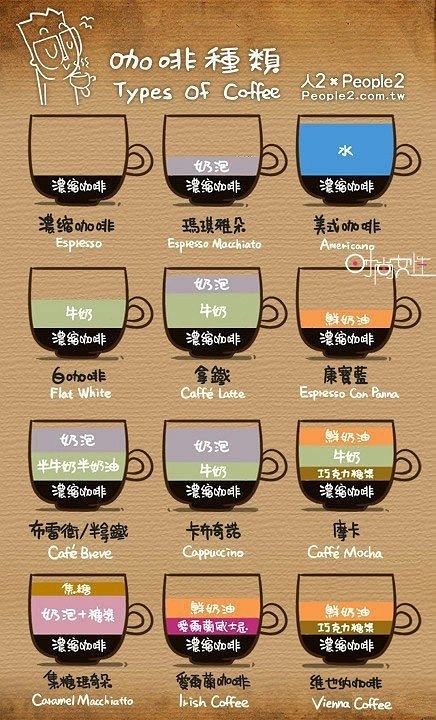
Most coffee shop menus feature a core group of drinks based on espresso. These include espresso (a pure, concentrated shot), Americano (espresso with hot water), macchiato (espresso “stained” with a small amount of milk), cappuccino (equal parts espresso, steamed milk, and foam), latte (espresso with more steamed milk and light foam), mocha (latte with chocolate), and flat white (double ristretto with velvety microfoam).
How Are These Coffee Drinks Different?
The main differences between coffee types come down to three factors: the amount of espresso used, how much and what kind of milk is added, and the texture or temperature of the milk. For example, an espresso is just a 25–30ml shot of concentrated coffee; a cappuccino uses equal parts espresso, steamed milk, and foam (around 1:1:1); while a latte includes more steamed milk and a thinner layer of foam. Milk texture—microfoam versus steamed milk—also changes how drinks feel on the palate.
Visual Guide to Coffee Types
The two charts referred to in the original article help you visualize these differences at a glance.
Why Does the Milk Matter So Much?
Milk isn't just an add-on—it fundamentally changes each coffee drink’s flavor, texture, and body. Steamed milk adds sweetness and smoothness, while foam provides structure. The temperature and texture of milk (such as microfoam in a flat white vs. thicker foam in a cappuccino) determine whether a drink feels light and velvety or rich and layered. That’s why a cappuccino tastes so different from a latte, even when both start with espresso.
Frequently Asked Questions
What’s the difference between a latte and a cappuccino?
A latte contains more steamed milk and a thinner layer of foam compared to a cappuccino. Typically, a cappuccino is made with a 1:1:1 ratio of espresso, steamed milk, and foam, while a latte uses more steamed milk and just a small amount of foam. This makes lattes creamier and milder, while cappuccinos have a stronger coffee flavor with a drier, foamier texture.
Is an espresso stronger than a latte?
Yes, an espresso is stronger in taste and caffeine concentration than a latte. An espresso is a 25–30ml shot of pure coffee, while a latte contains one or two shots of espresso diluted with 200–300ml of steamed milk. The milk reduces the intensity of the espresso flavor, making the latte smoother and less concentrated.
What’s the difference between a macchiato and a cappuccino?
A macchiato is a shot of espresso with just a small amount of steamed milk added (“macchiato” means “stained”), giving it a slightly lighter color. A cappuccino, on the other hand, is made with equal parts espresso, steamed milk, and foam. The macchiato is stronger and bolder, whereas the cappuccino balances espresso with more milk and foam.
What’s a flat white vs. a latte?
A flat white is made with a double ristretto and microfoam, resulting in a richer, velvety texture with less volume than a latte. A latte uses a standard espresso shot (or two) with more steamed milk and a lighter layer of foam. The flat white has a stronger coffee flavor and silkier mouthfeel due to the microfoam.
Do all coffee shops follow the same recipes for these drinks?
Not always. While the classic recipes are widely known (e.g., cappuccino as 1:1:1), some cafés adjust ratios or preparation styles. For example, some may use a single shot in a latte instead of two, or texture their milk differently. Looking at visual guides or asking your barista helps ensure you get the drink you expect.
Recommended FrontStreet Coffees for Classic Drinks
For classic coffee drinks, try FrontStreet Coffee’s Ethiopia Humbera—bright and floral with citrus and stone fruit, perfect for highlighting espresso clarity in lattes or macchiatos. Their PWN Golden Mandheling offers full-bodied, low-acid sweetness with hints of maple and roasted almond, ideal for traditional cappuccinos or flat whites. For a richer base, their Jamaica Blue Mountain No.1 brings balanced mild acidity and chocolatey depth, excellent in Americanos or darker roasts for milk drinks. Freshly roasted within 5 days · Orders placed before 17:00 ship the same day · Next-day delivery across most of Guangdong Province.
FrontStreet Coffee is a long-established specialty coffee roaster in Guangzhou China, selling freshly roasted beans from its own farm in Yunnan as well as dozens of carefully selected single-origin beans from around the world for both pour-over and espresso. The products deliver consistently excellent quality and great value, with shipping within 24 hours. Guangzhou's FrontStreet Coffee shop is recommended by many coffee lovers, and the beans are now available online at the Tmall 。
Important Notice :
前街咖啡 FrontStreet Coffee has moved to new addredd:
FrontStreet Coffee Address: 315,Donghua East Road,GuangZhou
Tel:020 38364473