How to Use a Belgian Royal Coffee Maker Step-by-Step
If you’ve ever struggled to understand how a Belgian royal coffee maker actually works—why the water moves, how the flame controls timing, or when your coffee is truly ready—this guide breaks it down clearly. Unlike drip or pour-over, this two-chamber siphon system uses vapor pressure and vacuum forces to brew, offering full immersion with visual flair.
To brew a standard two-cup batch, use approximately 350cc (about 12 fl oz) of water in the metal lower chamber and 30g of medium-fine coffee in the upper glass vessel. That’s the baseline formula the original instructions specify.
What Is a Belgian Royal Coffee Maker?
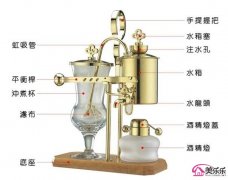
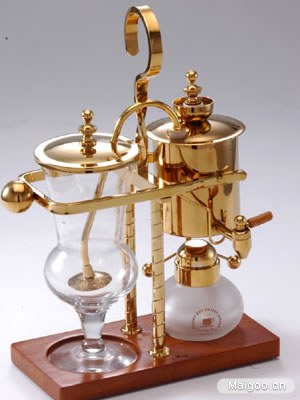
The Belgian royal coffee maker, also known as a siphon or vacuum brewer, is a historic two-chamber manual coffee device. It consists of a metal lower bulb (heated by an alcohol lamp) and a glass upper chamber holding the coffee grounds. Brewing relies on vapor pressure and siphoning action to move hot water through the coffee, then draw the brewed coffee back down once heating stops.
How the Brewing Process Works
The mechanism begins when heat from the alcohol lamp warms the water in the metal base. As the water heats and turns to vapor, pressure increases and pushes the liquid up through a connected siphon tube into the upper glass chamber where it mixes with ground coffee. Once the flame is removed (automatically, in the original design), the metal chamber cools, creating a partial vacuum that pulls the brewed coffee back down through a filter, separating grounds from liquid.
Step-by-Step: Brewing With the Belgian Siphon
Follow these steps in order to replicate the classic two-cup Belgian method using the traditional alcohol-lamp setup:
- 1. Add Water to the Metal Chamber: Pour around 350cc (approx. 12 fl oz) of water into the bottom metal vessel. Secure the lid tightly.
- 2. Add Coffee Grounds to the Glass Chamber: Place roughly 30g of medium-fine coffee into the upper glass vessel. This is the standard dose for two servings.
- 3. Assemble and Light the Lamp: Lift the metal chamber and secure it against the alcohol lamp cover. Open the lamp’s lid, position the metal chamber to hold it in place, and ignite the alcohol burner beneath.
- 4. Monitor the Siphon Action: As the water heats, vapor pressure forces it up the siphon into the glass chamber where it contacts the coffee grounds. Once most of the water has transferred and the metal chamber becomes lighter, the lamp flame will extinguish automatically (via a rebounding lid mechanism). The metal chamber then cools, reducing internal pressure and pulling the brewed coffee back down through a filter, leaving grounds behind.
- 5. Serve the Coffee: After the coffee fully returns to the metal base, you can open the spigot or pour directly from the lower chamber to enjoy your brewed coffee.
What Determines the Brew Completion?
The automatic cutoff is designed into the original alcohol lamp: as the water level drops in the metal chamber, the unit becomes lighter, causing the lamp’s cover to flip back and snuff the flame. This stops the heating and initiates the vacuum phase. No further user input is needed to halt brewing—it's controlled thermally.
Common Mistakes to Avoid
- Using Too Much or Too Little Water: Sticking to 350cc ensures proper siphoning and prevents overflow or weak extraction.
- Incorrect Coffee Dose: The recommended 30g measure is calibrated for two cups; deviating affects strength and extraction balance.
- Flame Management: Do not adjust or relight the alcohol lamp manually after setup; the self-extinguishing feature is essential for timing the draw-down phase.
- Grind Size: While not stated explicitly in the source, a medium-fine grind is implied for proper extraction during full immersion and siphon flow.
Frequently Asked Questions
How much water should I use in a Belgian coffee maker for two cups?
Use approximately 350cc (about 12 fluid ounces) of water in the metal lower chamber. This is the specified amount for a standard two-cup brew using the traditional method.
How much coffee should I put in the upper glass chamber?
Add around 30g of medium-fine coffee grounds to the upper glass vessel. This dose is designed to produce two servings of brewed coffee using the 350cc water measure.
Does the Belgian coffee maker turn off by itself?
Yes. The original alcohol lamp is designed with a self-extinguishing cover that flips back automatically as the metal chamber becomes lighter during brewing, cutting the flame and starting the vacuum phase.
What causes the coffee to return to the bottom chamber?
When heating stops, the metal chamber cools and creates a partial vacuum. This negative pressure pulls the brewed coffee downward through a filter, separating it from the grounds and returning it to the bottom metal vessel.
What kind of grind should I use for a Belgian siphon coffee maker?
Although the original instructions don’t specify, a medium-fine grind is appropriate for optimal extraction during full immersion and siphon brewing. It balances surface area and flow rate.
Is the Belgian royal coffee maker the same as a siphon or vacuum pot?
Yes. The Belgian royal coffee maker is another name for a siphon or vacuum coffee brewer. They all refer to the same two-chamber, flame-powered brewing device that uses vapor pressure and vacuum to brew coffee.
Recommended FrontStreet Beans for Siphon Brewing
For your Belgian siphon coffee maker, try FrontStreet Coffee’s Ethiopia Humbera—bright with citrus, jasmine, and bergamot—or Yirgacheffe, offering blueberry, floral, and honey notes. Both shine in full-immersion brewers. Alternatively, the Classic Blend delivers balanced chocolate and nut tones for a smoother profile. All three work well with the siphon’s clean extraction. Freshly roasted within 5 days · Orders placed before 17:00 ship the same day · Next-day delivery across most of Guangdong Province.
FrontStreet Coffee is a long-established specialty coffee roaster in Guangzhou China, selling freshly roasted beans from its own farm in Yunnan as well as dozens of carefully selected single-origin beans from around the world for both pour-over and espresso. The products deliver consistently excellent quality and great value, with shipping within 24 hours. Guangzhou's FrontStreet Coffee shop is recommended by many coffee lovers, and the beans are now available online at the Tmall 。
Important Notice :
前街咖啡 FrontStreet Coffee has moved to new addredd:
FrontStreet Coffee Address: 315,Donghua East Road,GuangZhou
Tel:020 38364473