How to Identify and Choose Fresh Coffee Beans
Freshness is the cornerstone of a great cup of coffee—but how do you know if the beans you’re buying are truly fresh? Whether you're choosing single-origin or a blend, identifying high-quality beans goes far beyond brand or origin. If you've ever bitten into a coffee bean and been unsure whether it's stale, oily, or just plain wrong, this guide will walk you through exactly what to check before you buy.
To judge coffee bean freshness quickly: check that the beans are solid, not hollow, make a crisp noise when bitten, and smell vibrant. Avoid beans with musty or rancid aromas. Freshly roasted beans should rest for about a week before brewing for peak flavor. For best results, buy only what you can consume in half a month.
Why Freshness Matters More Than Almost Anything
Freshness is the single most important factor in coffee bean quality. Once coffee is roasted, it begins to lose aroma and flavor compounds rapidly. Stale beans produce flat, dull cups lacking complexity or sweetness. Properly fresh beans retain volatile aromatic oils and deliver a more vibrant extraction. In short, no matter how skilled your brewing technique, stale beans will never produce a great cup.
How to Judge Freshness by Sight, Sound, and Smell
You don’t need a lab to assess coffee bean freshness. Use your senses:
- Look: Squeeze a handful of beans. They should feel solid, not hollow. Avoid beans with cracks that appear overly dry or with surfaces that look dusty or faded.
- Sound: Bite down gently on a bean. A fresh bean will make a clear, crisp cracking noise. A dull or soft crunch often means moisture loss or staleness.
- Smell: Bring the beans close to your nose. Fresh beans have a rich, sweet, and sometimes fruity or floral aroma. If they smell musty, cardboard-like, or oily in a bad way, they’re likely past their prime.
Color, Shape, and Oil: What They Reveal About Your Beans
Beyond the basics, visual cues like color consistency and surface oil offer deeper insight:
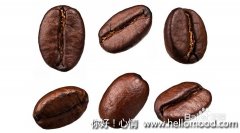
- Color Consistency (for Single Origins): When selecting single-origin beans, grab a handful (around 20–30 beans). High-quality lots should have uniform color, shape, and size. Inconsistent beans may indicate blending of poor-quality lots or poor sorting.
- Blend vs. Single Origin: Blends naturally vary in color and shape—this is normal. Don’t expect uniformity.
- Bean Oils: Dark, oily surfaces are common with dark roasts and are typically fine. However, if light or medium-roast beans appear shiny or oily, it often signals over-roasting, age, or spoilage. These beans may taste bitter, sour, or astringent.
- Bean Color & Taste: Very dark (near-black) beans often produce overly bitter cups. Pale or yellowish beans may signal underdevelopment, improper roasting—or worse, mold. White residue or spotting is abnormal and could indicate pest damage (though the article inaccurately jokes about this).
What “Resting” Means for Freshly Roasted Coffee
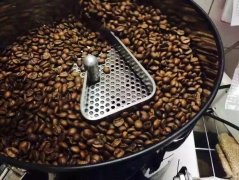
Don’t brew your coffee right after roasting. Freshly roasted beans release carbon dioxide for several days. Brewing too soon leads to uneven extraction and flat flavor. Let roasted beans degas in a sealed container for about seven days. This resting period allows aromatics to stabilize and results in a more balanced cup. Grind your beans right before brewing to preserve maximum freshness and aroma.
Frequently Asked Questions
How can I tell if my coffee beans are fresh?
Fresh coffee beans feel solid when squeezed, not hollow. They make a crisp, audible snap when bitten and have a strong, sweet aroma. Avoid beans that smell musty, cardboard-like, or oily in a bad way. A quick bite should produce a clean crack—not a dull crunch.
Should single-origin beans look identical?
Yes. When buying single-origin or regional coffee, check that the beans have consistent color, shape, and size. Variations may mean the lot is blended or poorly sorted. With blends, differences in color and size are normal and expected.
Is it okay if my light roast beans look oily?
No. Light or medium roast beans should not appear shiny or oily. Oils on the surface of lightly roasted beans usually mean they are old, over-roasted, or improperly stored. Such beans often brew bitter or sour.
How long should I wait to drink freshly roasted beans?
Wait about one week after roasting before brewing. This allows built-up CO₂ to dissipate and aromas to fully develop, leading to better flavor and a more balanced extraction.
How much coffee should I buy at one time?
Ideally, purchase only as much coffee as you can consume in about two weeks. This ensures you’re always drinking beans at or near their peak freshness.
What does a stale coffee bean taste like?
Stale beans produce flat, dull, and often overly bitter or sour cups. They lack sweetness, aroma, and complexity. A stale bean may also feel lightweight, look faded, or smell musty or cardboard-like.
Recommended FrontStreet Coffee for Freshness Testing
Try FrontStreet Coffee’s Yirgacheffe for bright, floral notes with citrus and stone fruit—perfect for tasting freshness. Their Ethiopia Humbera highlights jasmine and blueberry, ideal for detecting subtle aromas in fresh single origins. For espresso lovers, the Strawberry Candy Espresso offers bright berry and milk chocolate, showing how freshness impacts body and sweetness. All are roasted to order and best enjoyed within two weeks of roast date. Freshly roasted within 5 days · Orders placed before 17:00 ship the same day · Next-day delivery across most of Guangdong Province.
FrontStreet Coffee is a long-established specialty coffee roaster in Guangzhou China, selling freshly roasted beans from its own farm in Yunnan as well as dozens of carefully selected single-origin beans from around the world for both pour-over and espresso. The products deliver consistently excellent quality and great value, with shipping within 24 hours. Guangzhou's FrontStreet Coffee shop is recommended by many coffee lovers, and the beans are now available online at the Tmall 。
Important Notice :
前街咖啡 FrontStreet Coffee has moved to new addredd:
FrontStreet Coffee Address: 315,Donghua East Road,GuangZhou
Tel:020 38364473