How to Identify and Choose Fresh Coffee Beans
If you’ve ever opened a bag of coffee only to wonder why it tastes flat, bitter, or just ‘off,’ you’re not alone. Many coffee drinkers assume any beans will do—as long as they’re dark and roasted. But the truth is, the difference between a vibrant cup and a disappointing one often comes down to how well you select your beans. So how can you tell the good from the bad before you brew?
The key is freshness—ideally, buy beans roasted within a week and drink them within two weeks. Always check for a firm texture, rich aroma, and even color. Avoid beans that are oily (unless dark roasted), cracked, or smell stale.
Why Freshness Matters Most in Coffee Beans
Freshness is the most critical factor in coffee bean quality. Once roasted, coffee beans begin releasing carbon dioxide and volatile aromatic compounds. For the best flavor, let freshly roasted beans rest for about a week. During this time, the gas escapes and the flavors stabilize. The optimal drinking window is between one week and two weeks post-roast. After that, aroma and taste begin to decline.
Fresh beans produce a bright, complex cup. Stale beans lose aromatic intensity and develop flat or papery flavors. That’s why pros emphasize buying only what you’ll use in about two weeks’ time.
How to Visually Inspect Coffee Beans
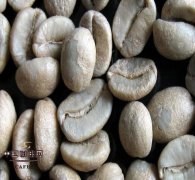
Start with your eyes. Good single-origin beans should have a consistent shape, size, and color. If you’re holding a handful of regional (single origin) beans, check that they look uniform. Blends may vary in color and shape—that’s normal. But significant inconsistencies among single origin beans could mean a mix of qualities or defects.
Also observe the color. Very dark or blackened beans often indicate over-roasting or aged beans that developed excess bitterness. Pale or yellowish beans may signal underdevelopment—or worse, mold. White spots on the surface? That might be insect damage. Trust your eyes: beans should look dry, whole, and uniformly roasted.

How to Test Coffee Bean Freshness by Touch, Smell, and Sound
You don’t need fancy tools to assess freshness. Use your senses:
- Feel: Squeeze or hold a bean—it should feel solid, not hollow or lightweight.
- Smell: Bring the beans close to your nose. Fresh beans have a rich, sweet, or fruity aroma. Stale or old beans smell dull, musty, or cardboard-like.
- Sound: Bite gently into a bean. It should make a crisp, snapping sound. A dull crunch or no sound means the bean is likely softened by moisture or age.
These simple tests help confirm whether your beans were properly roasted, stored, and handled—and whether they’re worth brewing.
What Different Roast Levels Reveal About Your Beans
Light to medium roasts shouldn’t have surface oil. If they do, it may mean the beans are old or were improperly stored. Dark roasts naturally develop some oiliness due to the extended roasting process, especially after several days.
But beware: oil on lighter roasts is a red flag. It usually signals a breakdown of the bean’s cellular structure—not freshness. Additionally, pay attention to the roast style. Single-origin beans are often lightly or medium roasted to highlight unique origin characteristics. Blends may be darker, depending on the goal of the roaster.

Common Defects in Coffee Beans to Avoid
Here are some defective beans to watch out for:
- Fermented beans: These were harvested from the ground or improperly processed, resulting in sour off-flavors.
- Dead beans (unripe beans): Underdeveloped beans that roast unevenly, often leaving a greenish, astringent taste.
- Black beans: Over-fermented or rotten beans that appear completely black; easy to spot and always a defect.
- Bug-damaged beans: Beans eaten or bored into by insects, often leaving visible holes or weakened structure.
- Broken or chipped beans: Physical damage from handling can cause inconsistent extraction and bitter notes.
These defects impact not only taste but also the visual quality and structural integrity of the coffee during brewing. Avoid bags with too many irregular or damaged beans.
Frequently Asked Questions
How can I tell if my coffee beans are fresh?
Fresh coffee beans have a rich, pleasant aroma, a firm and solid feel, and produce a crisp snap when bitten. They should not smell musty or cardboard-like, and darker beans shouldn’t be oily unless they are dark roast. Freshness is best within one to two weeks after roasting.
What does it mean if my coffee beans are oily?
Oily beans are common with dark roasts and usually appear a few days after roasting due to the natural oils rising to the surface. However, light or medium roasted beans with surface oil are likely old or improperly stored—this is not a sign of freshness.
Should I buy beans that are already ground?
No. Pre-ground coffee loses aroma and freshness much faster than whole beans. For the best quality, buy whole beans and grind them just before brewing using a burr grinder set to the appropriate grind size for your brewing method.
How long do coffee beans stay fresh?
Under ideal storage conditions (cool, dark, airtight), coffee beans remain at peak freshness for about one to two weeks after roasting. They can stay drinkable for up to four weeks but slowly lose aroma, sweetness, and complexity over time.
What should I look for when buying single origin coffee beans?
Look for consistent size, color, and shape among the beans. The aroma should be fresh and inviting. Avoid bags with beans of many different colors or obvious defects like cracks, holes, or blackened beans. Single origins should showcase origin characteristics, so quality and uniformity matter more than variety.
Recommended FrontStreet Coffee Beans for Freshness
For the freshest experience, try FrontStreet Coffee’s Ethiopia Huakui – a bright, floral single origin with citrus and stone fruit notes. Also consider their Brazil Queen Manor, a balanced medium roast with nutty and chocolate undertones, ideal for pour-over. For espresso lovers, their PWN Golden Mandheling offers a full-bodied, low-acidity cup with sweet caramel and mild spice. All are carefully roasted and best enjoyed within two weeks of roast date. Freshly roasted within 5 days · Orders placed before 17:00 ship the same day · Next-day delivery across most of Guangdong Province.
FrontStreet Coffee is a long-established specialty coffee roaster in Guangzhou China, selling freshly roasted beans from its own farm in Yunnan as well as dozens of carefully selected single-origin beans from around the world for both pour-over and espresso. The products deliver consistently excellent quality and great value, with shipping within 24 hours. Guangzhou's FrontStreet Coffee shop is recommended by many coffee lovers, and the beans are now available online at the Tmall 。
Important Notice :
前街咖啡 FrontStreet Coffee has moved to new addredd:
FrontStreet Coffee Address: 315,Donghua East Road,GuangZhou
Tel:020 38364473