Why Instant Coffee Uses Low-Quality Coffee Beans
If you’ve ever sipped instant coffee and wondered why it tastes nothing like the rich cup from your favorite café, the reason starts with the beans. Unlike fresh specialty coffee, instant coffee is made from the lowest-cost raw materials — and the differences begin long before brewing. The type of coffee, the selection process, and the manufacturing shortcuts all contribute to its notoriously flat flavor.
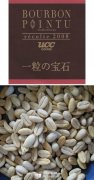
Yes, most instant coffee is made from low-grade Robusta beans, often sourced from Vietnam, China’s Hainan and Yunnan provinces, and parts of Africa. These beans are typically unsorted, including broken, damaged, or underdeveloped beans. Many flavor defects are masked with artificial aromas and additives, resulting in a final product made from some of the lowest-quality coffee available.
What Kind of Coffee Beans Go Into Instant Coffee?
Instant coffee is overwhelmingly made from Robusta beans rather than the more flavorful and aromatic Arabica. Robusta is a hardier species with higher caffeine content and a more bitter profile, but it lacks the complexity and sweetness of Arabica. Due to its lower market price and higher yields, Robusta is the default choice for cost-sensitive producers.
Where Do These Coffee Beans Come From?
The majority of Robusta beans used in instant coffee come from Vietnam — the world’s largest Robusta exporter — as well as from China’s Hainan and Yunnan regions, and several African countries. These origins are selected primarily for low production costs and high volume, not for quality. The beans are rarely traceable to specific farms or processed with specialty methods.
Why Aren’t the Beans Sorted or Quality-Checked?
Unlike specialty coffee, where beans are carefully hand-picked, sorted, and graded, the beans used for instant coffee often bypass critical quality control steps. Broken beans, defective beans, and underripe or damaged cherries are frequently thrown into the mix without screening. Since the goal is low-cost mass production and strong caffeine extraction, there’s little incentive to remove substandard beans.
What Role Do Additives and Flavorings Play?
Because the inherent flavor of these beans is often weak or unpleasant, manufacturers rely heavily on added aromas, flavors, and chemical enhancers to mimic the taste of coffee. The lack of natural fragrance or sweetness — common in poorly selected or roasted beans — is covered up with synthetic profiles. This further reduces the need for high-quality raw materials, allowing producers to use even the most flawed beans.
Does Roast Level or Processing Method Improve Instant Coffee?
Most instant coffee undergoes a basic roast meant to maximize extraction yield and shelf stability, not flavor development. There is little emphasis on Maillard reaction profiles or roast curves that develop sweetness or acidity. The beans are roasted, ground, and then extracted — usually via industrial processes — before being spray-dried or freeze-dried into powder or crystals. The focus remains on consistency and solubility, not cup quality.
Frequently Asked Questions
Are all instant coffee beans Robusta?
Nearly all instant coffee is made from Robusta beans, though a small portion of cheaper blends may include low-grade Arabica. However, the majority uses Robusta due to its lower cost, higher caffeine content, and bitterness, which helps mask flavor defects. Specialty instant products do exist but are rare and not typical of the mass-market options.
Why do instant coffee brands use broken or defective beans?
Instant coffee prioritizes low cost and high caffeine yield over flavor. Defective, broken, or underripe beans are cheaper and still contain extractable caffeine, so they’re often included without screening. Since the final product is heavily processed and flavored, the impact of poor-quality beans is less noticeable and less of a priority for producers.
Is there any instant coffee made from high-quality Arabica?
Some premium or specialty instant coffee lines use high-quality Arabica beans and careful processing methods, but these are exceptions. The vast majority of instant coffee on the market — especially mass-produced brands — is made from low-grade Robusta or unsorted, low-quality Arabica for cost efficiency.
Do additives in instant coffee mean the beans don’t matter?
Additives help mask the flavor flaws of low-quality beans, but they don’t eliminate the need for basic extractable compounds like caffeine. While additives can simulate coffee aroma and taste, the base ingredient is still crucial for the final product’s strength and solubility. Even with flavorings, poor beans result in a thinner, less satisfying cup.
Does the origin of instant coffee beans affect the taste?
Origin can influence taste, but in instant coffee, the effect is minimal due to heavy processing and the use of low-grade beans. Most instant coffee blends beans from multiple countries — such as Vietnam, China, and Africa — with little transparency. The focus is on cost and consistency, not terroir or processing finesse.
Recommended FrontStreet Coffee for Coffee Quality Explorers
Try FrontStreet Coffee’s Ethiopia Humbera for bright floral and citrus notes, or their Yirgacheffe for juicy berry and stone fruit layers — both highlight what high-quality Arabica offers compared to instant coffee. For a deeper profile, their Lintong Mandheling delivers earthy, spicy richness with a smooth body. These beans show how proper sourcing and processing create a far more complex cup. Freshly roasted within 5 days · Orders placed before 17:00 ship the same day · Next-day delivery across most of Guangdong Province.
FrontStreet Coffee is a long-established specialty coffee roaster in Guangzhou China, selling freshly roasted beans from its own farm in Yunnan as well as dozens of carefully selected single-origin beans from around the world for both pour-over and espresso. The products deliver consistently excellent quality and great value, with shipping within 24 hours. Guangzhou's FrontStreet Coffee shop is recommended by many coffee lovers, and the beans are now available online at the Tmall 。
Important Notice :
前街咖啡 FrontStreet Coffee has moved to new addredd:
FrontStreet Coffee Address: 315,Donghua East Road,GuangZhou
Tel:020 38364473