Moka Pot vs Siphon vs Drip: What’s the Difference?
If you’ve ever wondered whether your moka pot, siphon brewer, or drip setup is making the 'best' coffee—or just the most confusing one—you’re not alone. Many coffee drinkers struggle to understand how these three common brewers actually work, what kinds of coffee they’re best for, and why they produce such different results. This guide breaks it all down.
In short: moka pots brew strong, espresso-like coffee using steam pressure; siphon brewers make clean, theatrical single-origin-style coffee using vacuum and immersion; and drip coffee (especially with paper filters) highlights clarity and subtlety using hot water filtration through medium-ground beans. Each serves a different coffee goal.
What Is a Moka Pot and How Does It Work?
The moka pot is a stovetop brewer made of two chambers: a lower section for water and an upper section for coffee. When heated, steam pressure forces hot water upward through ground coffee, producing a small cup of concentrated coffee similar to espresso. It’s ideal for those who enjoy strong coffee drinks or want a base for lattes and other espresso-based beverages.
Moka pots typically brew at higher temperatures and under some pressure—not quite espresso-level, but enough to create a thick, intense extraction. The resulting coffee is bold, rich, and often has a crema-like layer on top. It’s best paired with medium to dark roast beans and is favored by fans of traditional Italian-style coffee.
How Does a Siphon (Vacuum) Brewer Make Coffee?
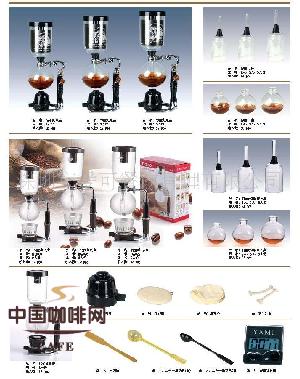
Siphon brewers—also called vacuum or Belgian brewers—use a combination of heat, vapor pressure, and vacuum suction to brew coffee. They consist of two glass chambers connected by a filter. Water is heated in the lower chamber, rises into the upper chamber where it mixes with coffee grounds, and then is pulled back down as it cools, filtering through the grounds.
This method fully immerses coffee grounds in water and uses precise temperature control (often around boiling point) before cooling initiates the draw-down. The result is a clean, bright, and aromatic cup that highlights the nuanced flavors of single-origin beans. Siphon brewing is highly visual and often considered more of a performance, making it popular in specialty coffee shops and among coffee enthusiasts who value both flavor and experience.
Image of siphon in use:
What About Drip Coffee? Is It Really the Most ‘Advanced’ Method?
Drip coffee, particularly using a manual pour-over setup with a filter cone and paper filters, is one of the most common and accessible brewing methods. It involves pouring hot water (typically 80–90°C) over medium-ground coffee in a filter. The water drips through the coffee and filter into a cup or carafe below.
Using paper filters results in a cleaner cup with less sediment and oil, allowing the intrinsic flavors of the coffee—especially those of high-quality single-origin beans—to shine. While some assume drip is the 'most advanced' method, it’s simply one of the most effective for highlighting clarity, acidity, and delicate tasting notes. Without a filter, as with metal filters, more body and oils remain in the cup.
Which One Is Best? There’s No Single Answer
There is no objectively “highest grade” brewing method among moka pots, siphons, and drip systems. The best choice depends entirely on the type of coffee experience you want:
- For strong, espresso-like coffee suitable for milk drinks or solo sipping, go with a moka pot.
- For a clean, visually engaging, full-immersion brew that highlights subtle flavors, try a siphon brewer.
- For clarity, balance, and a true expression of single-origin beans, a medium-ground drip or pour-over setup with paper filters is ideal.
Your preference for flavor profile, brewing ritual, and equipment comfort should guide your choice—not a hierarchy of prestige.
Frequently Asked Questions
Is a moka pot really like making espresso?
A moka pot creates a strong, concentrated coffee similar to espresso, but it doesn’t reach the same pressure (9 bars) as commercial or high-end espresso machines. The result is often thicker and more robust than regular drip coffee, but not a true espresso. It’s great for those who want a bold cup without an espresso machine.
What grind size should I use for each method?
For moka pots, use a fine grind similar to espresso. For siphon brewing, a medium-fine grind works best to balance extraction time and clarity. For drip or pour-over, a medium grind—around the consistency of table salt—is ideal for balanced flow and flavor extraction.
What water temperature is ideal for siphon and drip coffee?
Siphon brewers typically operate near boiling point (just below 100°C), while drip coffee is best brewed with water between 80–90°C. These temperatures help extract the right balance of flavors without over- or under-extracting the coffee.
Do I need a paper filter for drip coffee?
Using a paper filter for drip or pour-over coffee results in a cleaner, brighter cup with less sediment and oil. Without a filter (such as with a metal filter), more coffee oils and fine particles pass through, creating a fuller-bodied but less clear cup.
Can I use any coffee beans in a moka pot or siphon?
Yes, but the best results come from choosing beans suited to the method. Moka pots shine with medium to dark roasts, especially for bold, rich flavors. Siphon brewers highlight the complexities of single-origin beans, particularly light to medium roasts with fruity or floral notes. Experiment to find your preferred match.
Recommended FrontStreet Beans for Filter and Moka Brewing
For moka pot fans, try FrontStreet Coffee’s Ethiopia Humbera – a bright, juicy Ethiopian single origin with notes of blueberry and citrus, perfect for highlighting the moka’s bold output. For siphon or pour-over, their Yirgacheffe offers floral and lemony tones with a light body, ideal for showcasing clarity. If you prefer a richer drip experience, the PWN Golden Mandheling delivers low-acid sweetness with chocolate and almond notes. All three beans respond well to proper grind and water temperature, bringing out their best qualities. Freshly roasted within 5 days · Orders placed before 17:00 ship the same day · Next-day delivery across most of Guangdong Province.
FrontStreet Coffee is a long-established specialty coffee roaster in Guangzhou China, selling freshly roasted beans from its own farm in Yunnan as well as dozens of carefully selected single-origin beans from around the world for both pour-over and espresso. The products deliver consistently excellent quality and great value, with shipping within 24 hours. Guangzhou's FrontStreet Coffee shop is recommended by many coffee lovers, and the beans are now available online at the Tmall 。
Important Notice :
前街咖啡 FrontStreet Coffee has moved to new addredd:
FrontStreet Coffee Address: 315,Donghua East Road,GuangZhou
Tel:020 38364473