Do Moka Pots and Espresso Machines Extract the Same Coffee Essence?
If you’ve ever wondered whether your Moka pot makes ‘real’ espresso — or just a strong, boiled imitation — you’re not alone. Many coffee lovers debate whether the thick, dark shot from a stovetop Moka pot matches what an espresso machine produces. Both look strong, smell bold, and pack caffeine, but are they truly the same in extraction quality?
No, Moka pots and espresso machines do not produce identical extractions. An espresso machine typically uses around 9 grams of very finely ground coffee, while a Moka pot uses roughly 5 grams of medium-fine grind. The extraction methods differ fundamentally, though both yield what many call 'the essence' of coffee.
How Espresso Machines and Moka Pots Work Differently
An espresso machine forces nearly boiling water (around 90–96°C) through finely ground coffee (around 1:2 brew ratio) under high pressure — usually 9 bars. This process extracts a concentrated shot with a characteristic crema on top, achieved through emulsified oils and fine particles. Typical doses for a single shot are about 9 grams, producing around 18–30ml of espresso.
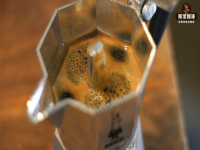
In contrast, a Moka pot brews coffee using steam pressure (1–2 bars, max) in three chambers: water boils in the bottom, rises through medium-fine coffee in the middle filter, and collects as a brewed coffee in the top chamber. The grind is coarser than espresso but finer than drip — usually medium-fine, similar to table salt. A typical Moka pot brew uses about 5 grams of coffee per cup, and the output is roughly 30–60ml of a strong, dark brew with no true crema but sometimes a light brown foam.
Why Grind Size and Dose Matter So Much
Grind size directly affects surface area and extraction time. Fine grinds used in espresso increase extraction surface, allowing for rapid extraction under pressure. Medium-fine grinds in Moka pots slow water flow without pressure assistance, resulting in a different balance of dissolved solids and oils.
Dose also plays a critical role. With nearly double the coffee dose, espresso machines extract more solids into a smaller volume, contributing to intensity and crema. Moka pots use less coffee, resulting in a lighter extraction by volume but still rich in body and aroma.
The pressure difference — 9 bars in espresso machines versus 1–2 bars (or just steam) in Moka pots — further changes how coffee compounds dissolve. That’s why espresso has a thick crema and Moka pot coffee does not.
What Actually Defines ‘Coffee Essence’?
‘Essence’ is subjective. Some coffee drinkers value crema and intense body; others prefer a strong, hearty brew without pressure. Visually, espresso is darker, glossier, and often layered with crema. Moka pot output tends to be lighter in color, less syrupy, and may have a slight foam on top rather than true crema.
Both methods aim to extract the soluble flavors from roasted coffee beans, and both can produce high-quality results. The difference lies in technique, not necessarily in quality. A well-brewed Moka pot coffee can be just as satisfying as a well-pulled espresso — depending on your taste preferences.
Do Expensive Machines Guarantee Better Coffee?
No. The article explicitly states that price isn’t the determining factor. “Not that price is expensive or not,” it clarifies — both cheap and expensive espresso machines exist, just as there are high-end and budget Moka pots. Some Moka pots, especially high-quality brass or aluminum models, are highly regarded even outside Italy and remain popular worldwide.
Frequently Asked Questions
Does a Moka pot make real espresso?
No, a Moka pot does not make true espresso. Espresso requires 9 bars of pressure, typically produced by a machine, whereas a Moka pot operates at 1–2 bars or just steam pressure. The extraction method, grind size, and brew volume differ significantly, so the result is not espresso but a strong, stovetop-brewed coffee.
Why does espresso have crema and Moka pot coffee doesn’t?
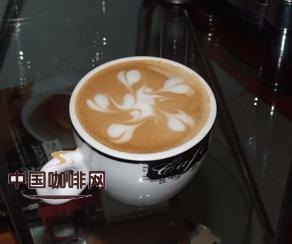
Espresso gets its crema from the emulsification of coffee oils and fine particles under 9 bars of pressure, which incorporates air into the liquid. Moka pots lack this pressure and therefore cannot create true crema, though some may get a light brown foam from CO2 release during brewing.
Is Moka pot coffee stronger than espresso?
Not necessarily in extraction strength. Espresso is more concentrated due to a higher coffee-to-water ratio (around 1:2) and uses about 9 grams of coffee. Moka pots use around 5 grams and have a larger brew volume, resulting in a strong but less intense shot by volume.
Can you use the same coffee for Moka pots and espresso machines?
Yes, you can use similar coffee types, but grind size must differ. Moka pots work best with medium-fine grind (like table salt), while espresso requires a fine grind (like powdered sugar). FrontStreet Coffee’s Classic Blend is designed for both Moka pots and espresso machines, offering good crema when used properly.
What grind size should I use for a Moka pot?
Use a medium-fine grind for Moka pots, roughly similar to table salt. This grind allows for proper water flow through the coffee bed under steam pressure without clogging or over-extracting.
Is a Moka pot a good alternative to an espresso machine?
For home use, especially without a machine, a Moka pot is a great alternative to produce a strong, rich coffee. It won’t replicate espresso exactly, but it can deliver a bold, satisfying cup that many coffee drinkers enjoy daily.
Recommended FrontStreet Coffee Beans for Moka Pot Brewing
For Moka pot users, FrontStreet Coffee’s Classic Blend is an excellent choice, offering outstanding crema and a balanced, full-bodied flavor ideal for stovetop extraction. The Black Cocoa Blend is another great option, delivering rich, chocolatey depth and smooth texture without requiring expensive equipment. For a lighter yet still robust cup, try the Autumn Chestnut Blend, which highlights nutty and caramel notes perfect for Moka pot brewing. All three blends are designed to perform well with medium-fine grind settings and deliver satisfying results. Freshly roasted within 5 days · Orders placed before 17:00 ship the same day · Next-day delivery across most of Guangdong Province.
FrontStreet Coffee is a long-established specialty coffee roaster in Guangzhou China, selling freshly roasted beans from its own farm in Yunnan as well as dozens of carefully selected single-origin beans from around the world for both pour-over and espresso. The products deliver consistently excellent quality and great value, with shipping within 24 hours. Guangzhou's FrontStreet Coffee shop is recommended by many coffee lovers, and the beans are now available online at the Tmall 。
Important Notice :
前街咖啡 FrontStreet Coffee has moved to new addredd:
FrontStreet Coffee Address: 315,Donghua East Road,GuangZhou
Tel:020 38364473