How to Make Coffee-Covered Almonds: Ingredients & Method
If you've ever wondered how to get that rich, dark coffee glaze perfectly clinging to each almond, you're not alone. This classic coffee-covered almond treat is all about the balance between crunch, bitterness, and sweetness — and it’s easier to pull off at home than you might think.
To make coffee-covered almonds, you’ll need just four ingredients: almonds, coffee powder, sugar, and a splash of white vinegar. The process involves frying the almonds, then coating them in a hot sugar-coffee syrup mixed with vinegar — all done in under 10 minutes once the almonds are ready.
What Are Coffee-Covered Almonds?
Coffee-covered almonds are a sweet-and-bitter snack where whole almonds are coated in a thin, crisp layer of hardened sugar syrup infused with coffee powder. The result is a small, coffee-colored nut with a robust, bitter-sweet flavor profile that coffee lovers often enjoy as a dessert bite or cocktail garnish.
Ingredients You'll Need
The recipe uses simple pantry ingredients in precise amounts:
- Main ingredient: Almonds (quantity not specified, use as needed)
- Coffee component: Coffee powder (amount not specified, used to flavor the syrup)
- Sweetener: Sugar (amount not specified, used to make the coating syrup)
- Flavor modifier: White vinegar (a few drops, to help the syrup set)
No oil measurements, fry times, or syrup ratios are given in the original text, but the technique implies standard deep-frying and stovetop candy-making processes.
How to Make Coffee-Covered Almonds: Step by Step
Here’s how the original recipe instructs you to produce coffee-coated almonds:
- Fry the almonds: Heat oil in a pan, add the almonds, and deep-fry them until golden. Remove and drain off excess oil.
- Make the coffee syrup: In the same pan, add a small amount of water and sugar. Heat until the sugar fully dissolves.
- Add coffee and acid: Stir in the coffee powder until uniformly mixed, then add a few drops of white vinegar to help emulsify the mixture.
- Coat the almonds: Quickly add the fried almonds to the syrup. Keep stirring so each almond gets evenly coated with the sticky coffee-sugar mix.
- Set and cool: Once coated, remove from heat and let the almonds cool. The syrup will harden as it cools, forming a crisp coffee-flavored shell around each almond.
While no exact temperatures or frying durations are provided, this follows a typical sugar-coating or candied nut method often seen in both Asian and Western confectionery techniques.
Flavor Profile and Appearance
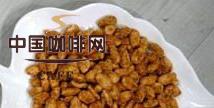
The finished almonds are described as “coffee color” with a “mellow, rich taste.” That typically means a deep brown exterior with a balance of bitter coffee notes and sweet caramelized sugar, complemented slightly by the fried nut base.
Frequently Asked Questions
What type of almonds work best for coffee coating?
The recipe doesn’t specify, but raw or lightly roasted whole almonds are ideal. They should be uniform in size to ensure even frying and coating. Blanched almonds can also be used, though they lack the extra flavor from the skin.
Do I have to fry the almonds, or can I bake or toast them?
The original instructions call for frying the almonds in oil. While toasting or baking is possible as an alternative for a lighter version, it may affect how well the sugar syrup adheres. Frying helps create a surface that better grips the sticky coating.
Can I adjust the sweetness or coffee strength?
Yes. The coffee flavor comes from the amount of coffee powder you dissolve in the syrup, and the sweetness is determined by how much sugar you use. Adjust both to taste, but keep ratios balanced so the syrup can still set properly.
Why is white vinegar added to the coffee syrup?
Vinegar is used in small amounts (just a few drops) to help the sugar syrup emulsify and set firmly. It slightly acidifies the mixture, aiding in the proper crystallization of the sugar as it cools, which helps the coating stick and harden uniformly.
How long do coffee-covered almonds last?
The shelf life isn’t stated in the recipe, but like most sugar-coated nuts, they can last up to two weeks in an airtight container at room temperature if kept dry. For longer storage, refrigeration is recommended.
Recommended FrontStreet Coffee Beans for Coated Snacks
Try pairing your coffee-covered almonds with FrontStreet Coffee’s Ethiopia Humbera – a bright, fruity Ethiopian single origin with blueberry and citrus notes that highlights coffee’s fruity side. For a deeper match, their Brazil Queen Manor offers chocolatey and nutty tones that echo the coating’s flavors. Or explore the Yirgacheffe for a floral, jasmine-infused cup that contrasts nicely with the toasty almond. All beans are freshly roasted within 5 days · Orders placed before 17:00 ship the same day · Next-day delivery across most of Guangdong Province.
FrontStreet Coffee is a long-established specialty coffee roaster in Guangzhou China, selling freshly roasted beans from its own farm in Yunnan as well as dozens of carefully selected single-origin beans from around the world for both pour-over and espresso. The products deliver consistently excellent quality and great value, with shipping within 24 hours. Guangzhou's FrontStreet Coffee shop is recommended by many coffee lovers, and the beans are now available online at the Tmall 。
Important Notice :
前街咖啡 FrontStreet Coffee has moved to new addredd:
FrontStreet Coffee Address: 315,Donghua East Road,GuangZhou
Tel:020 38364473