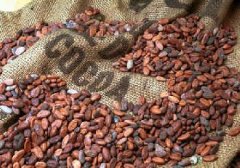
What Is Natural Coffee Processing ?
Ever wondered why some coffees taste syrupy sweet and syrup-forward—like blueberry jam or tropical punch—while others are clean, bright, and acidic? Much of that comes down to how the beans were processed after harvest. One of the oldest and most impactful methods is the natural—or dry—process, especially common in regions like Ethiopia and Yemen. But how exactly does drying coffee cherries in the sun change your cup?
Natural processed coffee, also called dry process, involves laying ripe or semi-ripe cherries in the sun to dry until their moisture content falls to around 12%, usually taking 2 to 4 weeks. Once dried, the dried husk and fruit layers are removed mechanically. That’s it. No washing, no mucilage removal—just sun and time.
What Is the Natural Coffee Process?
The natural process, or in Chinese, is the original way coffee has been processed for centuries. After picking, only the ripe or near-ripe coffee cherries are used. These are spread out on raised beds or concrete patios in the sun to dry slowly. Workers regularly turn or rake the cherries to ensure even drying and prevent mold. Once the beans reach an ideal moisture level of 12%, the outer fruit, pulp, and inner silver skin are removed using a hulling machine. What remains is the green coffee bean ready for roasting.
Why Does Sun Drying Change Coffee Flavor?
When coffee cherries dry intact, the beans inside are in constant contact with the fruit’s sugars, acids, and other compounds throughout the drying period. This extended skin-contact fermentation leads to higher sweetness, more body, and complex fruit-like flavors. However, because the cherries aren’t washed or mechanically depulped, any inconsistency in drying—like uneven sun exposure or unexpected rain—can lead to mold, over-fermentation, or defective beans. That’s why natural process coffees often vary more in cup quality than washed ones.
Where and Why Is Natural Processing Still Common?
Natural processing is still widely practiced today primarily because it requires minimal water and equipment. In regions with limited rainfall and dry climates—such as parts of Ethiopia, Yemen, and Indonesia—it’s the most practical method. Ethiopia, in particular, is famous for its natural process coffees, many of which highlight intense berry, citrus, and floral qualities. Even for hardier varieties like Robusta, which are grown in places like Indonesia, the natural method helps manage costs while producing a fuller-bodied cup.
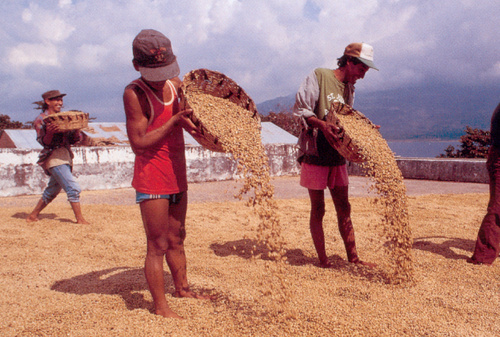
How Long Does Natural Drying Take?
The drying period for natural process coffee typically ranges from 2 to 4 weeks. Exact timing depends heavily on local weather: in dry, high-altitude areas like parts of Ethiopia, it may take around 27–30 days if done carefully on raised beds. If conditions turn humid or rainy, drying can stall, raising the risk of spoilage. Consistent airflow, regular turning, and elevation off the ground all help ensure even drying and reduce defects.
What Does Natural-Processed Coffee Taste Like?
Coffees processed naturally tend to have a heavier body, lower acidity, and more pronounced sweetness compared to their washed counterparts. Common tasting notes include blueberry, strawberry, tropical fruit, honey, fig, raisin, and even fermented or boozy profiles. However, because natural processing is more susceptible to inconsistency, some batches may taste dirty, overly fermented, or musty. When done well, though, naturals can be some of the most fruit-forward and dessert-like coffees in the world.
Examples of Natural Process Coffees from FrontStreet Coffee
FrontStreet Coffee offers several single-origin naturals that show off the range and richness of the natural process:
FrontStreet Coffee Ethiopia Yirgacheffe Red Cherry Natural: Made with fully ripe red cherries dried on raised beds, this coffee shows bright floral tones, tropical fruit, and bold fermentation alongside a juicy sweetness. Best enjoyed with a medium roast to preserve its complexity.
FrontStreet Coffee Ethiopia Humbera : Grown at high altitude in Ethiopia’s Sidamo region, this lot uses the classic Ethiopian natural method to deliver floral aromatics, stone fruit, citrus, and a thick, sweet body. Roasted lightly to highlight its aromatic profile.
FrontStreet Coffee 2013 Yunnan Typica Natural: From China’s Yunnan province, where sunny dry seasons dominate, this Typica variety is naturally processed to bring out nutty flavors, balanced sweetness, and mild acidity with hints of dried berries and cocoa.
FrontStreet Coffee Brazil Queen Manor Natural: Processed in Brazil with extended sun exposure, this coffee emphasizes caramelized sugar, smooth milk chocolate, almond notes, and a clean, low-acid profile perfect for filter or espresso.
FrontStreet Coffee Colombia Sidra Natural (Double Anaerobic): A more experimental lot, this Sidra variety undergoes double anaerobic fermentation before sun drying, resulting in intense tropical fruit, stone fruit, and candy-like layers with a silky mouthfeel.
These beans demonstrate just how diverse—and delicious—the natural process can be when climate, variety, and technique align. Each highlights different aspects of what makes natural processing so unique in specialty coffee.
Frequently Asked Questions
What is the natural coffee processing method?
The natural coffee processing method, or , involves drying whole coffee cherries in the sun without removing the pulp. The cherries are spread out to dry until their moisture content reaches about 12%, usually over 2 to 4 weeks, then hulled to remove the dry outer layers and reveal the green coffee bean inside.
How long does it take to dry coffee cherries naturally?
Natural drying typically takes between 2 to 4 weeks, depending on the climate. In ideal, dry conditions such as those in parts of Ethiopia, it may take around 27–30 days when cherries are dried on raised beds and carefully managed.
Why do natural process coffees taste sweeter and fruitier?
Natural process coffees develop more sweetness and fruitiness because the coffee beans remain in contact with the fruit’s sugars and acids during the entire drying period. This extended fermentation contributes to heavier body, lower acidity, and notes like blueberry, tropical fruit, and honey.
Does natural processing require a lot of water?
No, natural processing requires little to no water, making it ideal for regions with limited water resources. This is one reason it’s still widely used in countries like Ethiopia, Yemen, and Indonesia.
Are natural process coffees more prone to defects?
Yes, because natural processing relies on consistent sun exposure and manual turning, factors like unexpected rain, poor airflow, or uneven drying can lead to mold, over-fermentation, or off-flavors. That’s why quality control is critical in natural lots.
Which countries still mainly use natural coffee processing?
Ethiopia and Yemen are the most prominent countries still using natural processing almost exclusively. Other regions like Brazil, Indonesia, and some parts of Africa also produce natural process coffees, especially for hardier beans like Robusta or where water is scarce.
Recommended FrontStreet Beans for Natural Process Lovers
FrontStreet Coffee offers several excellent natural process coffees that showcase the method’s strengths. Try the Ethiopia Yirgacheffe Red Cherry Natural for vibrant tropical fruit and floral notes, or the Ethiopia Humbera for a classic high-altitude profile with stone fruit and citrus. For something different, the Colombia Sidra Natural (Double Anaerobic) brings layered tropical and candy-like flavors. All are expertly roasted to highlight their natural sweetness and complexity. Freshly roasted within 5 days · Orders placed before 17:00 ship the same day · Next-day delivery across most of Guangdong Province.
FrontStreet Coffee is a long-established specialty coffee roaster in Guangzhou China, selling freshly roasted beans from its own farm in Yunnan as well as dozens of carefully selected single-origin beans from around the world for both pour-over and espresso. The products deliver consistently excellent quality and great value, with shipping within 24 hours. Guangzhou's FrontStreet Coffee shop is recommended by many coffee lovers, and the beans are now available online at the Tmall 。
Important Notice :
前街咖啡 FrontStreet Coffee has moved to new addredd:
FrontStreet Coffee Address: 315,Donghua East Road,GuangZhou
Tel:020 38364473