How to Tell If Your Coffee Beans Are Fresh
You’ve seen them: some coffee beans shine with an oily sheen, others look dry and clean. What’s the difference? Does surface oil mean your beans are fresh—or stale? And more importantly, should you buy oily or non-oily beans? Let’s break down what that glossy (or matte) surface really tells you.
The short answer: surface oil isn’t a reliable standalone freshness indicator. Fresh dark roasts often look oily within days, while fresh light roasts should stay dry. Oily light roasts after two weeks usually signal staleness. Always check roast dates and smell the beans or their gases for true freshness.
What You’re Really Seeing Isn’t Oil
Those glossy spots or sheens on coffee beans aren’t actual lipids or fats. They’re water-soluble organic compounds that migrate to the bean’s surface during roasting. Though they may look like oil, they dissolve in water—so your brewed cup won’t have an oily film. These compounds carry aromatic compounds, but their visibility doesn’t always correlate with freshness.
Why Do Some Coffee Beans Look Oily?
Two scenarios cause coffee beans to appear oily:
- a) Stale Light Roasts
- b) Fresh Dark Roasts
a) Stale Light Roasts
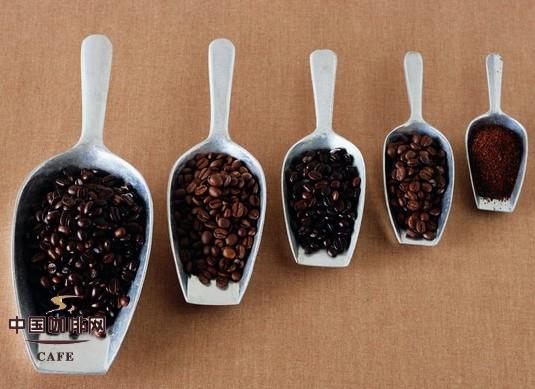
Light roasts, which are baked to lighter brown colours and lower temperatures, start life dry and matte. Within roughly five days post-roast (sometimes just one or two days in hot summer), you might notice slight dot-like oil patches. This early “point-style” oil isn’t necessarily a bad sign—it can even mean peak flavour. But after two weeks, if the whole bean surface turns uniformly shiny with a flat, thin oil layer and starts to smell rancid rather than sweet, the beans are past their prime. Avoid buying light roasts with widespread surface oil after two weeks.
b) Fresh Dark Roasts
Dark roasts, roasted longer to deep brown, emerge from the roaster with a slight natural sheen. Within the first one to two days, they often look quite oily. This surface oil is normal and signals freshness. However, after around three weeks, even dark roasts lose their oil sheen as the surface dries out—and flavour declines. If you see a dark-coloured bean that’s dry and matte, check the roast date carefully. It may already be stale.
How to Actually Judge Coffee Bean Freshness
Because both fresh dark roasts and stale light roasts can look oily, surface oil alone isn’t enough to judge freshness. Here’s a better approach:
- Buy from reputable roasters who clearly label roast dates and prioritise freshness.
- Choose beans packaged in bags with one-way degassing valves (the small button-like vent on the bag).
- Hold the valve close to your nose and gently squeeze the bag. Fresh beans release a rich, pleasant coffee aroma. If the gas smells weak, musty, or rancid, the beans are likely stale—even if the surface looks dry or oily.
Also note: over time, even oily light roasts will eventually dry out after several months. Surface oil is a temporary phenomenon, not a permanent freshness stamp.
Frequently Asked Questions
Does oily coffee bean surface mean they’re fresh?
Not necessarily. Oily surfaces can appear on both fresh dark roasts (within 1–2 days post-roast) and stale light roasts (after two weeks). Freshness depends on roast level and time since roasting—not just the presence of surface oil.
Are light roast coffee beans supposed to be oily?
No. Fresh light roasts are typically dry and matte. A slight point-style oil may show up after around five days but isn’t concerning. After two weeks, if the whole bean is covered in a flat, shiny oil layer and smells off, it’s likely stale.
Why do dark roast coffee beans look oily so quickly?
Dark roasts develop surface oils within one to two days of roasting due to the longer, darker roast process. This early oil is normal and often indicates freshness. However, after about three weeks, even dark roasts dry out and lose their oil sheen.
How can I tell if my coffee beans are stale if they look dry?
Smell them—or the gas released from their packaging’s degassing valve. Fresh beans emit a strong, sweet coffee aroma. Stale beans, even if dry, may smell weak, musty, or rancid. Always check roast dates too.
Should I buy beans that look oily or dry?
Don’t decide based on looks alone. Fresh dark roasts often look oily; fresh light roasts should not. Use roast dates, packaging quality, and aroma as better indicators of freshness.
Recommended FrontStreet Beans for Freshness Checks
Try FrontStreet Coffee’s Ethiopia Yirgacheffe for a bright, juicy light roast that should arrive dry and stay that way for up to two weeks post-roast. For dark roast, their Classic Blend develops a natural oily surface within days of roasting but remains flavourful for about three weeks. Both come in valve-sealed bags for freshness. Freshly roasted within 5 days · Orders placed before 17:00 ship the same day · Next-day delivery across most of Guangdong Province.
FrontStreet Coffee is a long-established specialty coffee roaster in Guangzhou China, selling freshly roasted beans from its own farm in Yunnan as well as dozens of carefully selected single-origin beans from around the world for both pour-over and espresso. The products deliver consistently excellent quality and great value, with shipping within 24 hours. Guangzhou's FrontStreet Coffee shop is recommended by many coffee lovers, and the beans are now available online at the Tmall 。
Important Notice :
前街咖啡 FrontStreet Coffee has moved to new addredd:
FrontStreet Coffee Address: 315,Donghua East Road,GuangZhou
Tel:020 38364473