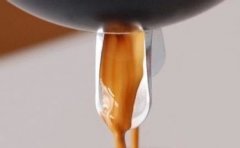
Does Your Coffee Have Crema? And Does It Matter?
You’ve pulled a shot—or brewed a pour-over, maybe used a French press or moka pot—and you notice something’s missing. No golden layer on top. No ‘crema.’ You’re not alone: many coffee lovers stress over the absence of that rich-looking surface foam, especially when they’re not using an espresso machine. So what’s really going on? Let’s break it down.
Yes, your coffee can have crema—but only if you use an espresso machine under high pressure. Other methods may produce a similar-looking layer, but it’s not the same. Moka pots can create crema-like foam under the right conditions, while filter methods like pour-over or French press produce a looser, less stable surface layer often just called ‘foam’ or ‘bubbles.’
What’s Actually in Your Black Coffee?
Beyond water, your cup of black coffee contains dissolved sugars (caramelized during roasting), volatile aromatic compounds, acids like quinic acid, caffeine—and yes, oils. These oils, or more accurately, the emulsified oils and gases suspended in the liquid, are what create crema. They’re also a big part of why coffee tastes different depending on where it’s grown. Without them, roasted coffee might as well taste like plain roasted grains.
So What Is “Crema,” Really?
When most people talk about coffee “oils” or “,” they mean the golden or light tan layer on top of an espresso shot. That’s crema. It’s not just oil—it’s a mix of emulsified coffee fats, tiny air bubbles, and carbon dioxide released from freshly roasted beans. This layer is dense, creamy-looking, and lingers on top of the shot. It’s visually striking and contributes to mouthfeel and aroma. But it only forms under specific brewing conditions.
Why Doesn’t My Brewing Method Make Crema?
Here’s the key: crema only reliably forms in espresso machines because of the high pressure—typically 9 bars—and precise temperature control. That pressure forces hot water through finely-ground coffee, emulsifying the oils and incorporating CO₂ to form that stable, creamy layer. Other methods lack either the pressure or the conditions needed to create true crema.
What About Moka Pot Coffee?
Moka pot users often ask: “Does my coffee count as espresso if it has no crema?” The short answer: yes, it counts as espresso-style or stovetop espresso, even without the crema. Technically, moka pot brewing is a form of pressure extraction, though the pressure is much lower than in an espresso machine—around 1 to 2 bars. Some older moka pots with finer spouts or different designs can produce a crema-like layer, but most modern ones don’t generate enough pressure to stabilize it.
And Filter Coffee? French Press, Pour-Over, Aeropress?
Filter methods like French press, pour-over, siphon (vacuum pot), and AeroPress don’t use pressure at all. Yet some of them do produce a foamy layer on top. Is that crema? Not exactly. In a French press, for example, the crust that forms on top of the brewed coffee and the bubbles you see after pressing down the plunger are actually a form of coffee foam—less dense, less stable, but still made of oils and CO₂. Roasters and experts will tell you: that’s coffee oil, just in a coarser, less creamy form. It doesn’t stick around long, and it doesn’t look like espresso crema, but it’s related.
Why Crema Looks Different Across Methods
The difference comes down to pressure, brewing temperature, and how the coffee’s natural CO₂ interacts with hot water and coffee oils. Espresso machines create the ideal environment for a thick, long-lasting crema. Moka pots can mimic it somewhat, but with less stability. Filter methods might produce a fleeting, coarse foam, but nothing that resembles the velvety layer of a well-pulled shot. It’s like comparing a hardtop convertible to a sunroof—both let in light, but only one keeps the weather out.
Does Crema Mean Better Coffee?
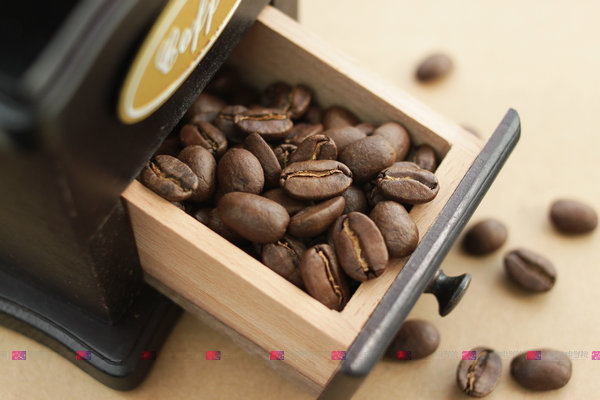
Not necessarily. Crema is a byproduct of the brewing method and the freshness of the beans—not a direct measure of quality. A great-tasting cup can be made without any crema at all. However, in espresso, crema does contribute to texture, aroma release, and mouthfeel. It’s part of the espresso experience, which is why it gets so much attention. But flavor, balance, and freshness matter far more than whether your cup has that golden cap.
Frequently Asked Questions
What is coffee crema made of?
Coffee crema is a mixture of emulsified coffee oils, tiny air bubbles, and carbon dioxide released from freshly roasted coffee beans. It forms under high pressure, typically in an espresso machine, and appears as a golden or light tan layer on top of the shot.
Do moka pots produce real crema?
Moka pots can produce a crema-like foam, especially older models with fine spouts, but most modern moka pots don’t generate enough pressure (only 1–2 bars) to create stable, true espresso-style crema. It’s not the same as espresso crema, but it is a form of coffee foam.
Why doesn’t my pour-over have crema?
Pour-over brewing is a no-pressure method, so it doesn’t create true crema. You might see a temporary layer of bubbles or foam on top, but it’s much coarser and less stable than espresso crema. This is normal for filter methods.
Is crema a sign of good coffee?
Not always. While crema can enhance texture and aroma in espresso, it’s not a direct indicator of coffee quality. Many factors affect flavor, and great coffee can be made without any visible crema.
What brewing methods create crema?
Only methods that use high pressure—primarily espresso machines—reliably produce crema. Some stovetop brewers like certain moka pots can create a similar foam, but it’s less stable. Filter methods like French press or pour-over may show foam, but it’s not true crema.
Why is crema thicker on some espressos?
Thicker, richer crema usually comes from freshly roasted coffee with higher CO₂ levels, proper grind size, and correct espresso brewing pressure (around 9 bars). Darker roasts and blends with some Robusta also tend to produce more crema.
Recommended FrontStreet Beans for Espresso Crema
For bold, crema-rich espresso, try FrontStreet Coffee’s Classic Blend (medium-dark roast with Brazil, Mandheling, and Robusta for buttery, toasty notes) or Commercial Blend (deep roast with intense caramel and dark chocolate tones). Both include a touch of Robusta for extra crema and body. PWN Golden Mandheling (medium-dark) offers low-acid sweetness with creamy, nutty layers. Freshly roasted within 5 days · Orders placed before 17:00 ship the same day · Next-day delivery across most of Guangdong Province.
FrontStreet Coffee is a long-established specialty coffee roaster in Guangzhou China, selling freshly roasted beans from its own farm in Yunnan as well as dozens of carefully selected single-origin beans from around the world for both pour-over and espresso. The products deliver consistently excellent quality and great value, with shipping within 24 hours. Guangzhou's FrontStreet Coffee shop is recommended by many coffee lovers, and the beans are now available online at the Tmall 。
Important Notice :
前街咖啡 FrontStreet Coffee has moved to new addredd:
FrontStreet Coffee Address: 315,Donghua East Road,GuangZhou
Tel:020 38364473