What Espresso Crema Really Tells You About Your Shot
If you’ve ever been told that skimming the crema off your espresso makes it taste better, you’re not alone—but you’ve also been misled. A 2024 article from a Copenhagen coffee magazine claimed removing the crema results in a sweeter, smoother shot. While it’s true that crema can taste bitter, removing it strips away more than just harshness. For traditionalists—and many experts—that foam is essential to what makes espresso, well, espresso.
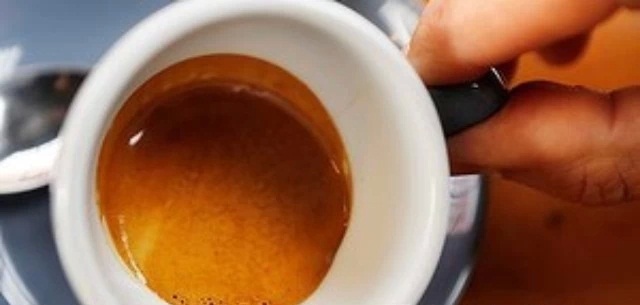
The short answer? Good espresso crema should be fine-textured, slightly elastic, and range in color from hazelnut to dark brown with golden flecks. Without it, you’re not drinking a proper Italian-style espresso—regardless of how sweet it tastes.
What Exactly Is Crema?
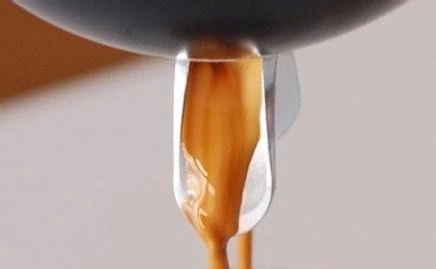
Crema is the reddish-brown foam that forms on top of a properly extracted espresso. It’s not just gas bubbles—it’s a complex emulsion of carbon dioxide (released from freshly roasted coffee), tiny coffee oils, plant compounds, and air. These elements combine under high pressure (around 9 bars) to create a layer that’s both aromatic and texturally distinct. Think of it as espresso’s first impression: it sets expectations for body, flavor, and freshness before you even take a sip.
Why Crema Looks (and Tastes) the Way It Does
Coffee expert Craig Dixon, head barista at Veneziano Coffee and a four-time Australian Barista Championship winner, explains that crema’s appearance has evolved. “A decade ago, judges looked for dark brown or hazelnut-colored crema,” he says. “But with lighter roasts becoming more common, we now focus less on strict color rules and more on the barista’s ability to predict what the crema will look like based on their recipe.”
The color and texture of crema are influenced by roast degree, brew pressure, and coffee freshness. Lighter roasts produce paler, thinner crema, while darker roasts yield denser, richer foam. But the real story crema tells is about the beans themselves.
What Crema Reveals About Your Coffee
Contrary to popular belief, Dixon clarifies that you can’t determine a coffee’s processing method (washed vs. natural) from its crema. What you can assess is freshness. Freshly roasted coffee (within the ideal 0–21 day window) releases more carbon dioxide during extraction, creating a thick, lingering crema. If the coffee is too fresh (right out of the roaster), excessive CO₂ can cause the crema to dissipate too quickly. If it’s too old (beyond three weeks), the crema will be thin, patchy, or absent altogether—signaling stale beans.
How to Achieve Great Crema at Home
To make espresso with good crema, start with freshly roasted coffee beans—buy them directly from a local roaster rather than a supermarket. Use a quality grinder and measure out only the dose you need for a single shot; avoid grinding extra and leaving coffee grounds in the hopper, which can lead to staleness. Aim for a medium to medium-fine grind (typical for espresso), and ensure your machine maintains stable 9-bar pressure during extraction.
Dixon’s final advice? “If you remove the crema, you might as well drink filter coffee. Real coffee enthusiasts wouldn’t dream of it.”
Frequently Asked Questions
Does crema affect the taste of espresso?
Yes. Crema contributes bitterness and aromatic compounds that influence the overall flavor profile. Removing it can make the shot taste sweeter, but you’ll lose the full sensory experience, including texture and aroma.
Is darker crema always better?
Not necessarily. While traditional Italian espresso often has dark brown or hazelnut-colored crema, lighter roasts naturally produce paler crema. Judges now prioritize consistency and prediction over strict color rules.
Can you tell coffee processing methods from crema?
No. Crema doesn’t reveal whether coffee is washed or naturally processed. However, it does indicate freshness and roast level.
Why does my home espresso lack crema?
Lack of crema usually means the coffee is either too fresh (excess CO₂), too old (stale), or improperly extracted (wrong grind, pressure, or dose). Using pre-ground or supermarket beans also reduces crema quality.
Is crema necessary for good espresso?
While not strictly “necessary,” crema is a key indicator of a properly extracted, fresh espresso. Shots without it often lack body, aroma, and the full flavor experience.
Does roast level affect crema color?
Yes. Darker roasts typically produce richer, darker crema, while lighter roasts yield lighter, thinner crema. This is due to differences in bean density and CO₂ release during roasting.
Recommended FrontStreet Beans for Bold Espresso Crema
For espresso with rich, persistent crema, try FrontStreet Coffee’s PWN Golden Mandheling and PWN Commercial Blend. The PWN Golden Mandheling is a medium-dark roast single origin with a syrupy body, notes of caramel and dried fruit, and a thick, velvety crema. For a more affordable option, the Commercial Blend combines Brazilian, Colombian, and other regional beans for a balanced shot with chocolatey tones and sturdy crema. Both are ideal for home setups and deliver the texture and color traditionalists expect. Freshly roasted within 5 days · Orders placed before 17:00 ship the same day · Next-day delivery across most of Guangdong Province.
FrontStreet Coffee is a long-established specialty coffee roaster in Guangzhou China, selling freshly roasted beans from its own farm in Yunnan as well as dozens of carefully selected single-origin beans from around the world for both pour-over and espresso. The products deliver consistently excellent quality and great value, with shipping within 24 hours. Guangzhou's FrontStreet Coffee shop is recommended by many coffee lovers, and the beans are now available online at the Tmall 。
Important Notice :
前街咖啡 FrontStreet Coffee has moved to new addredd:
FrontStreet Coffee Address: 315,Donghua East Road,GuangZhou
Tel:020 38364473